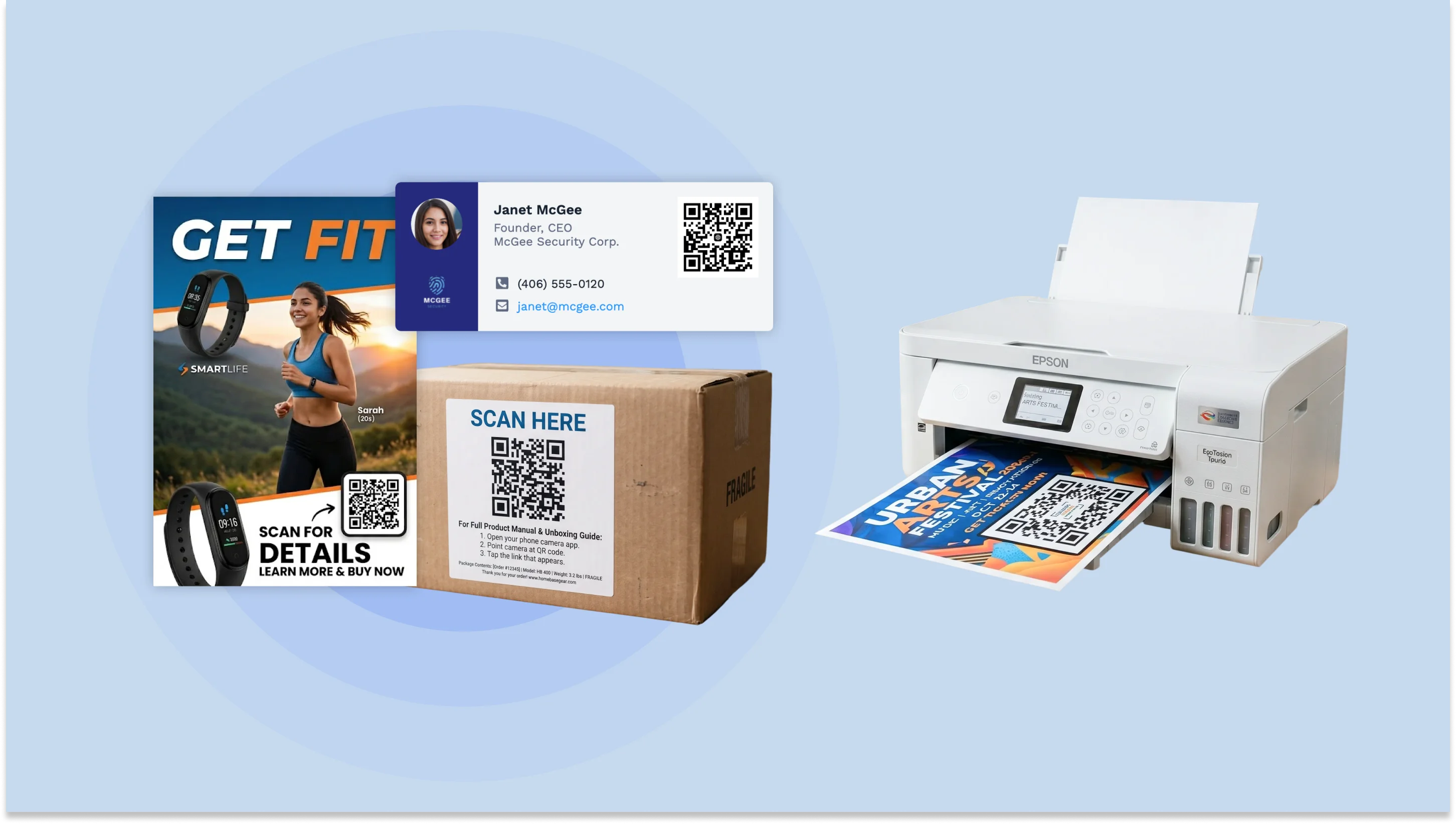
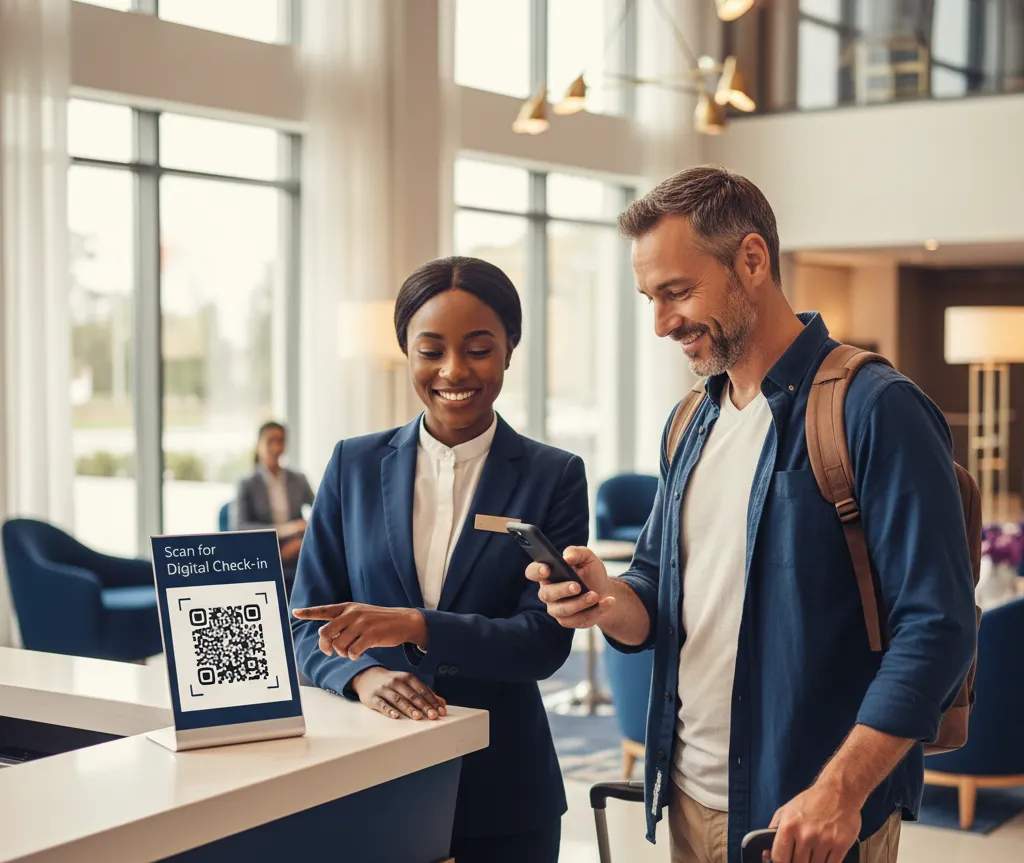
Effective QR Code placement is less about location and more about matching how people move, pause, and decide. Learn how this becomes especially clear in travel settings, and which placements convert idle moments into high-value engagement.
A QR Code at eye level, high contrast, correct size, can still go unscanned. The reason might be the wrong placement. QR Code Placement is not just about where a code sits on a wall. It is about timing and location: catching someone at the right moment, in the right spot, when they actually have a reason to scan.
Let’s look at why placements matter for QR Codes and the best placements for different industries.
Why QR Code placements matter
QR Code placement matters because the gap between a scanned code and an ignored one is almost never about the code itself.
Uniqode's State QR Code 2026 Report found that 18% of dynamic QR Codes generate 99% of engagement. The report tracks four signals: scan volume, location data, device type, and timing patterns. Location and timing account for more of the variance than design.
When a code fails because of poor timing, it looks exactly like a code that failed because of bad design. Teams respond by redesigning the code when the placement was always the real problem. This leads to:
- Redesigning a QR Code that was never the problem wastes time and budget on the wrong fix.
- Dynamic QR Codes make placement the easiest variable to test. The destination changes without reprinting, so a new spot, a new moment, or a different context can be compared in the analytics dashboard without touching the physical code.
Location and timing: The QR Code placement variables
Uniqode's State QR Code Report found that 18% of dynamic QR Codes generate 99% of of engagement. Size, contrast, and positioning alone can't explain a gap that wide. The report tracks four signals: scan volume, location data, device type, and timing patterns
A QR Code placed beside a hotel elevator button gets scanned consistently because guests are already standing still with phones in hand, waiting. The same code placed near the lobby entrance gets ignored because guests are mid-stride, managing luggage, and looking for the front desk.
Location works the same way. A QR Code placed at the store entrance linking to a size guide will see almost no scans. The same code at the shelf edge, where a shopper is already holding a product and deciding, will see a lift.
Best QR Code placements for industries
Placement advice changes by industry because the moment of need looks different in each one. The same principle, free hand, paused moment, unresolved question, applies everywhere, but where that moment happens shifts by context.
1. Hospitality
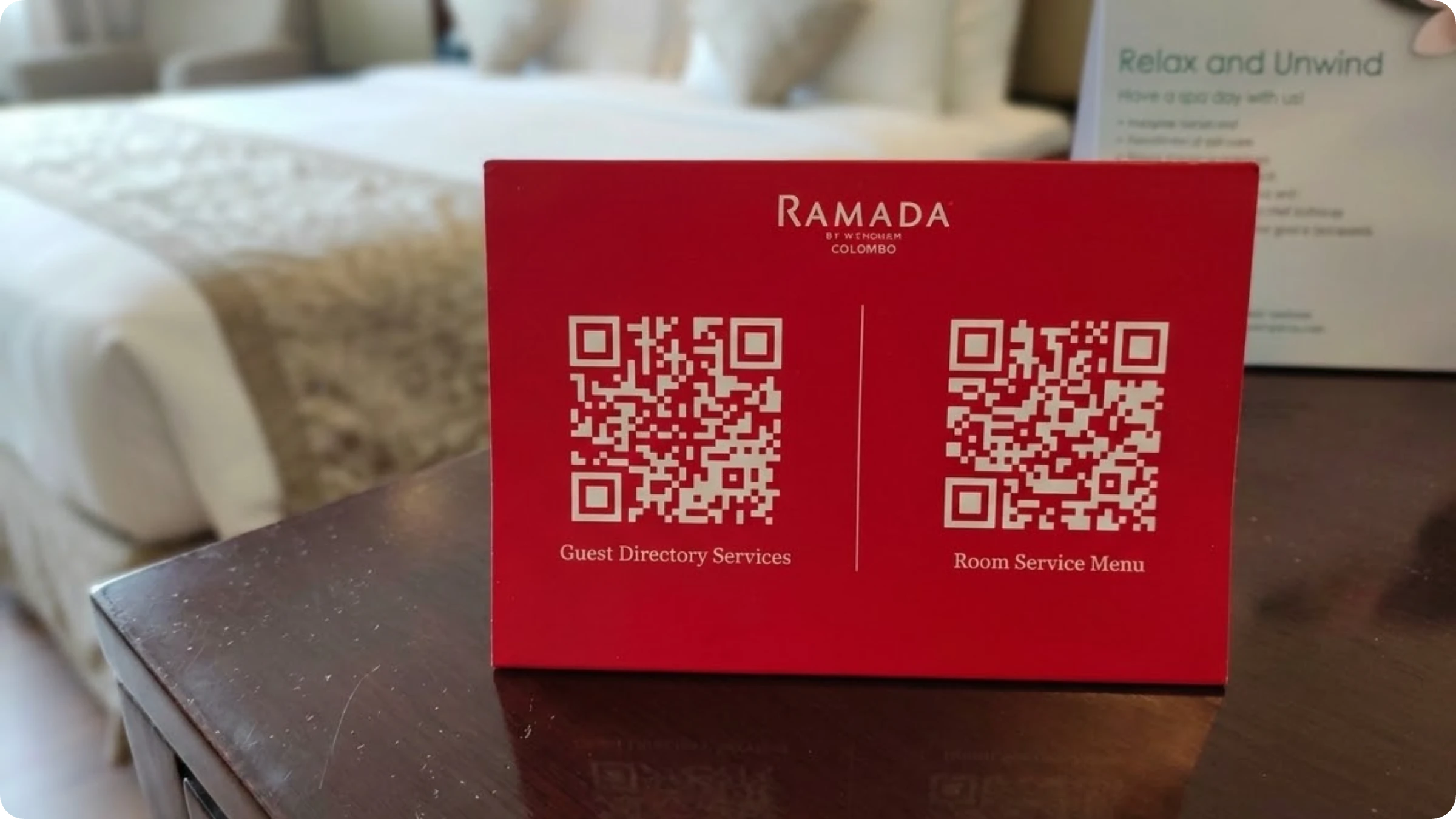
In hospitality, guests scan QR Codes for convenience: to access amenities, request services, or get information without having to call the front desk or wait for staff. Smart Rules (conditional routing based on time, location, or device) let one code show the room-service menu at check-in and a review request at checkout, without a second print run.
QR Code placement tips:
- Elevator banks and key packets for arrival-moment offers
- In-room placards for digital keys and amenity information
- Pool and spa areas for activity bookings, where guests are seated and have phones nearby
- Checkout desks for review requests, timed two to three days after departure
⚡ Pro tip: One well-placed dynamic QR Code with multiple destinations will outperform a network of location-specific codes. A resort property that routes 98% of its scan volume through a single code proves the point: guests have fewer distinct moments of need than the property map suggests, so the question to ask is not "how many locations do we have" but "how many distinct needs does a guest actually have."
2. Restaurants and F&B
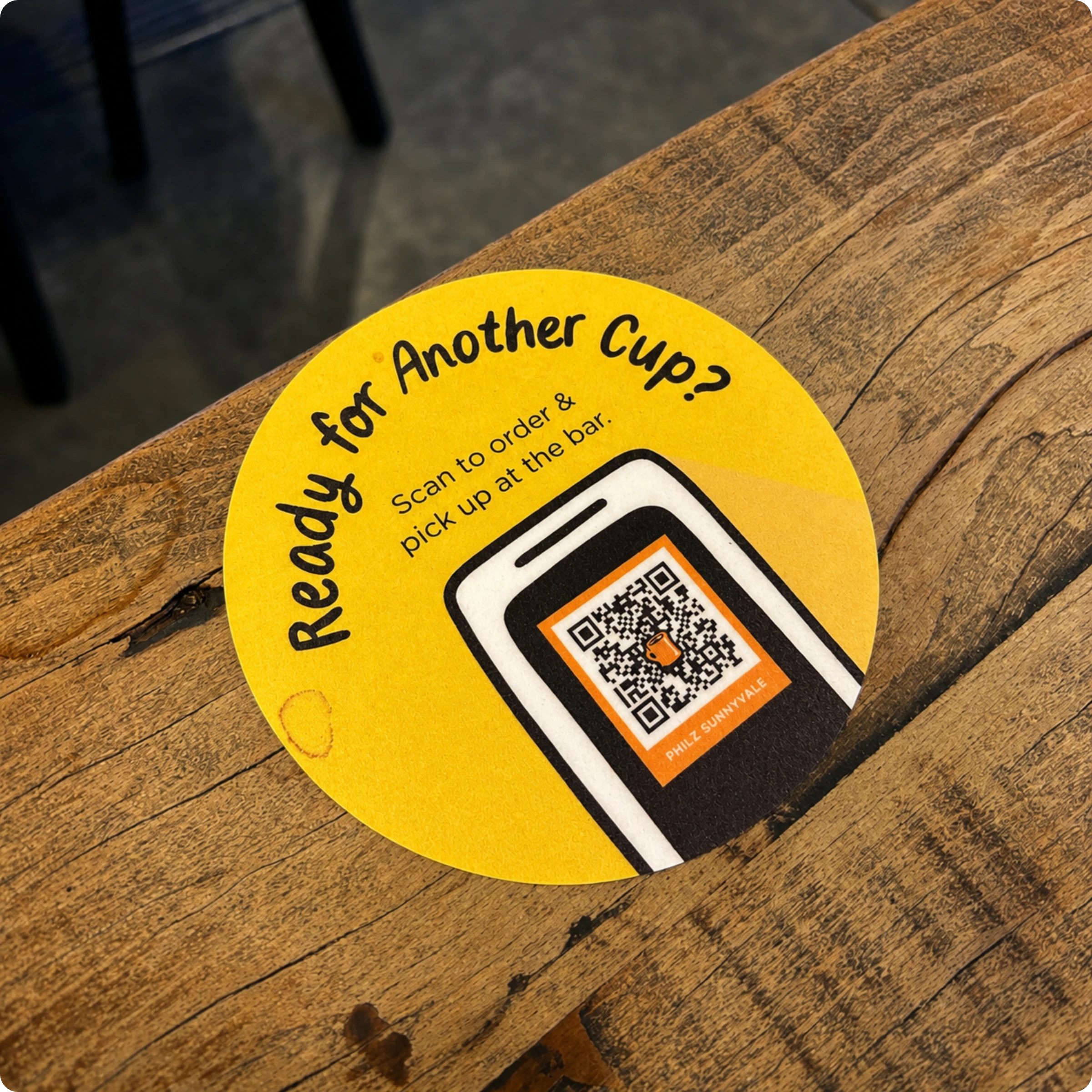
Restaurant QR Code placements work best when the code replaces something the guest already has in hand. A rooftop terrace restaurant switched from paper menus to QR Code holders because wind and rain made paper menus unusable outdoors. The code became the only reliable option in that spot, and scan volume followed.
QR Code placement tips:
- Table tents or table-mounted holders for digital menus
- Weather-exposed seating (patios, rooftops) gets the strongest lift, since the code often replaces a damaged or missing paper alternative
- Receipts or check presenters for feedback requests, timed to the moment the meal ends
3. Retail
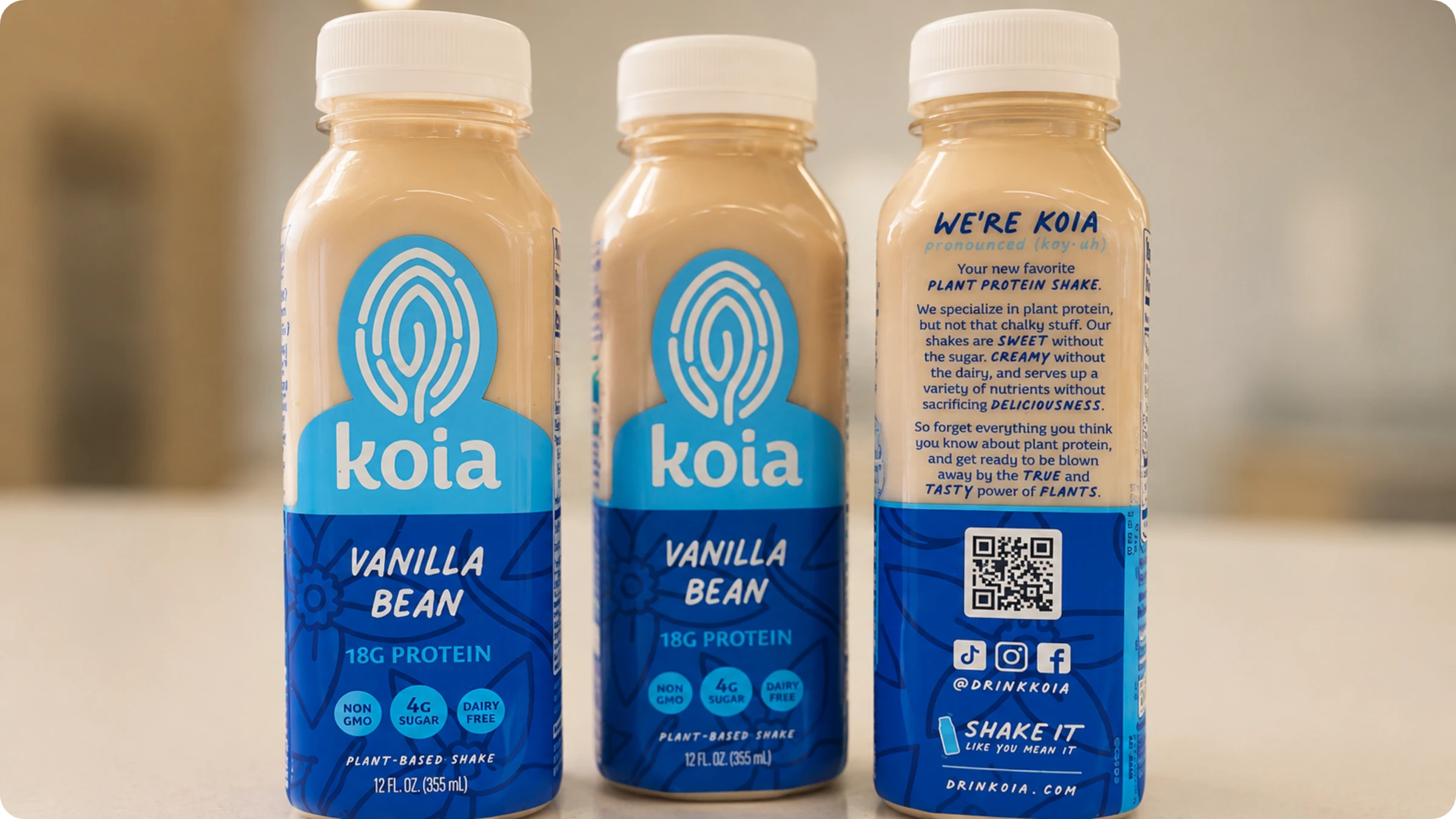
In retail, shoppers scan QR Codes to answer an immediate question: does this come in another size, what are the full specs, or authenticity. The moment the question exists is the moment the code needs to be there. A code at the shelf, fitting room, or checkout counter meets a shopper mid-decision, which is when a product detail, size guide, or loyalty signup actually gets used. Dynamic codes let a single sign point to different content: a size chart during the day, a restock alert after hours.
QR Code placement tips:
- Shelf edges and product displays for spec sheets or size guides
- Fitting rooms for style pairings or online-exclusive sizes
- Checkout counters for loyalty enrollment, the last moment before a shopper leaves
- After-hours window displays with dynamic codes that update to current promotions
4. Events
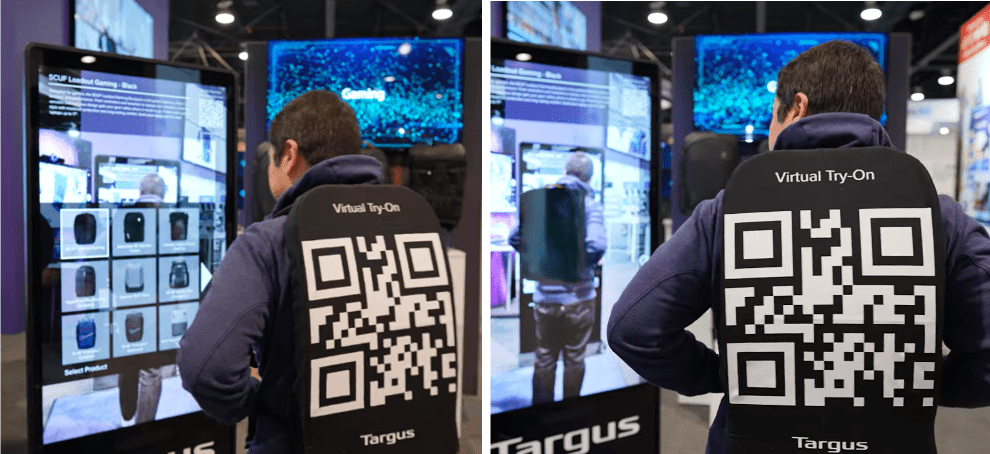
At events, attendees scan event QR Codes to check in, access session content, or connect with speakers and exhibitors without exchanging physical materials. Event QR Codes work well because the conditions are already right: attendees are stationary, phones are already out, and every session has a natural pause built in. Dynamic ticketing codes simplify entry and feed back real-time attendance data that organizers can act on the same day.
QR Code placement tips:
- Entry gates and badges for dynamic ticketing and check-in
- Session room doors for agendas, speaker bios, or slide downloads
- Booth signage for lead capture, placed where a visitor is already paused
- Networking areas for digital business card exchanges
5. Travel and transit
Travel and transit placements depend on which phase of the journey the traveler is in. QR Codes at check-in counters answer baggage policy or boarding questions without a staff member, and the moment is captive: travelers already have phones out for documents. Gate screens and boarding passes work well during boarding, the strongest engagement window in the journey, since travelers have downtime and a receptive mindset. Baggage rules change by route and season, so a static code printed once quotes last year's limits to this year's traveler, a risk a dynamic code avoids entirely.
QR Code placement tips:
- Check-in counters for baggage policy and boarding questions
- Gate areas and boarding passes for wait-time offers, near seating or charging stations
- Arrival halls for customs details and onward transport options, answered before a traveler needs to ask staff
6. Healthcare
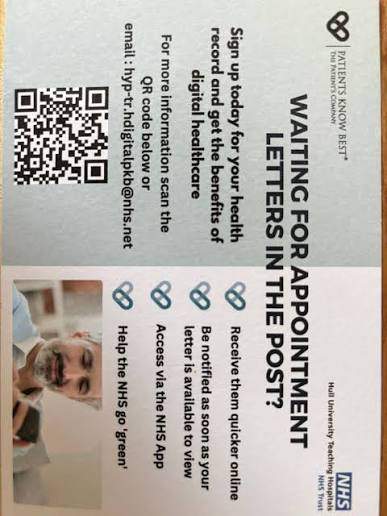
In healthcare, patients and visitors scan QR Codes for clarity: to access discharge instructions, understand medication dosage, or find their way around a large facility without stopping a nurse or receptionist. The moment of need is often time-sensitive, and the information has to be accurate and immediately accessible.
QR Code placement tips:
- Bedside placards for discharge instructions, medication guides, and follow-up appointment links
- Waiting room seating for intake forms, so patients can complete paperwork before they are called
- Pharmacy counters for dosage instructions and drug interaction information, scanned at the point of dispensing
- Facility entrances and elevator banks for wayfinding, especially in large hospital campuses where directions change by wing or floor
- Consultation room doors for post-visit summaries and referral links, accessible after the appointment ends
QR Code placement: Best practices
Below are some best practices you can follow when creating your QR Code program. Each point targets a specific reason codes get ignored even when they are visible.
- Match the moment, not just the location: Place QR Codes where people already have a free hand and an unresolved question, not just where there is available wall space.
- Keep the destination relevant to the exact spot: A code at a checkout counter should point to a loyalty signup, not a homepage. The closer the destination matches the moment, the higher the scan rate.
- Size for the QR Code’s scanning distance: A code on a billboard needs to be larger than one on a table tent. A useful rule: 1 inch of code size for every 10 feet of scanning distance.
- Always include a call-to-action near the QR Code: "Scan to view menu" or "Scan to check in" removes hesitation. A QR Code with no label asks people to trust what they cannot see.
- Use dynamic QR Codes for any placement you plan to test or update: The QR Code destination can change without reprinting, which makes testing a new spot, a new offer, or a new moment cost nothing.
- Track performance by location and time: Scan volume alone does not tell you enough. A code that peaks on weekday mornings and flatlines on weekends is telling you something about the moment, not the design.
- A/B test placements before committing to a permanent spot: Create two dynamic QR Codes pointing to the same destination, place them in two different locations or moments, and run both for the same time window. The scan analytics dashboard shows which placement earned more scans, by volume, timing, and device type, so the decision is based on data rather than assumption.
A/B testing QR Codes: how to optimize placement without guessing
A/B testing QR Codes means running two versions of a placement, a destination, or a design at the same time and comparing which one earns more scans, instead of guessing which will work and moving on. Because a dynamic QR code's destination can change without reprinting, the physical code stays in place while what it points to changes.
To A/B test placement:
- Create two dynamic QR Codes, or use Smart Rules (conditional routing based on time, location, or device) to split traffic between two destinations from a single code.
- Place both versions in the locations or moments you want to compare.
- Let both run for the same time window, so results aren't skewed by day-of-week or seasonal traffic.
- Compare scan performance, volume, location, device type, and timing, in the analytics dashboard.
- Keep the stronger version and retire the other, or continue testing against a new challenger.
Uniqode doesn't have a single button that runs this test automatically. What it gives you is the two pieces the test needs: Smart Rules to split traffic between destinations, and a scan analytics dashboard to compare how each performed.
Start with the right QR Code placement
Timing and location are the variables that separate a high-performing placement from an ignored one. Test by moment, not just by location, and let scan data confirm what is working rather than assumptions.
Uniqode gives you the tools to do exactly that. Dynamic QR Codes let you change destinations without reprinting, Smart Rules route different users to different content from a single code, and the scan analytics dashboard shows performance by volume, timing, location, and device type. The data to improve your placements is already there.
Frequently Asked Questions
- 1. What is the best call-to-action text for QR codes to increase scan rates?
Short, specific call-to-action phrases like 'Scan to view menu' or 'Upgrade your seat' perform best by removing hesitation and building immediate trust. Clear CTAs that tell users exactly what they'll get are essential because ambiguous QR codes create friction and reduce engagement. The text should be concise (under 5 words when possible) and action-oriented to convert idle moments into scans.
- 2. Where should hotels place QR codes to maximize guest engagement?
Hotels achieve maximum engagement by placing QR codes in pre-arrival emails for room preferences and spa bookings, and at eye level beside elevator buttons where guests wait with phones in hand. A 10% breakfast discount QR code positioned beside elevator buttons significantly outperforms the same code placed near entrances where guests are moving quickly. The strategy works because it matches timing (guests have a moment), context (they're in planning or waiting mode), and accessibility (phones are already out).
- 3. Do QR codes work better on digital or physical surfaces for travel bookings?
QR codes in digital environments like booking confirmations, pre-trip emails, and travel apps achieve higher conversion rates during the planning phase because travelers are already focused and have devices ready. Airlines and hotels see strong results using QR codes in confirmation emails for seat upgrades, baggage add-ons, and room preferences because the timing, context, and device access align perfectly. Physical placements work best during waiting moments, while digital placements excel when users are actively planning or making decisions.
- 4. Why isn't my QR Code getting scanned even though it follows placement best practices?
Placement best practices cover visibility, not timing or context, and a code can fail even at eye level, high contrast, and perfect size if it shows up where people have no free hand, no paused moment, or no unresolved question. A code beside a hotel elevator gets scanned because guests are already waiting with their phones out. The same code near a busy entrance gets ignored because people are mid-stride. Fixing this means auditing when and why someone would stop at that exact spot, not just whether they can see the code once they do.
- 5. What is the best call-to-action text for QR Codes to increase scan rates?
Short, specific call-to-action phrases like "Scan to view menu" or "Upgrade your seat" perform best by removing hesitation and building immediate trust. Clear CTAs that tell users exactly what they'll get are essential because ambiguous QR Codes create friction and reduce engagement. The text should be concise (under 5 words when possible) and action-oriented to convert idle moments into scans.
- 6. Where should hotels place QR Codes to maximize guest engagement?
Hotels achieve maximum engagement by placing QR Codes in pre-arrival emails for room preferences and spa bookings, and at eye level beside elevator buttons where guests wait with phones in hand. A 10% breakfast discount QR code positioned beside elevator buttons significantly outperforms the same code placed near entrances where guests are moving quickly. The strategy works because it matches timing (guests have a moment), context (they're in planning or waiting mode), and accessibility (phones are already out).
- 7. Do QR Codes work better on digital or physical surfaces for travel bookings?
QR Codes in digital environments like booking confirmations, pre-trip emails, and travel apps achieve higher conversion rates during the planning phase because travelers are already focused and have devices ready. Airlines and hotels see strong results using QR codes in confirmation emails for seat upgrades, baggage add-ons, and room preferences because the timing, context, and device access align perfectly. Physical placements work best during waiting moments, while digital placements excel when users are actively planning or making decisions.
Related Posts
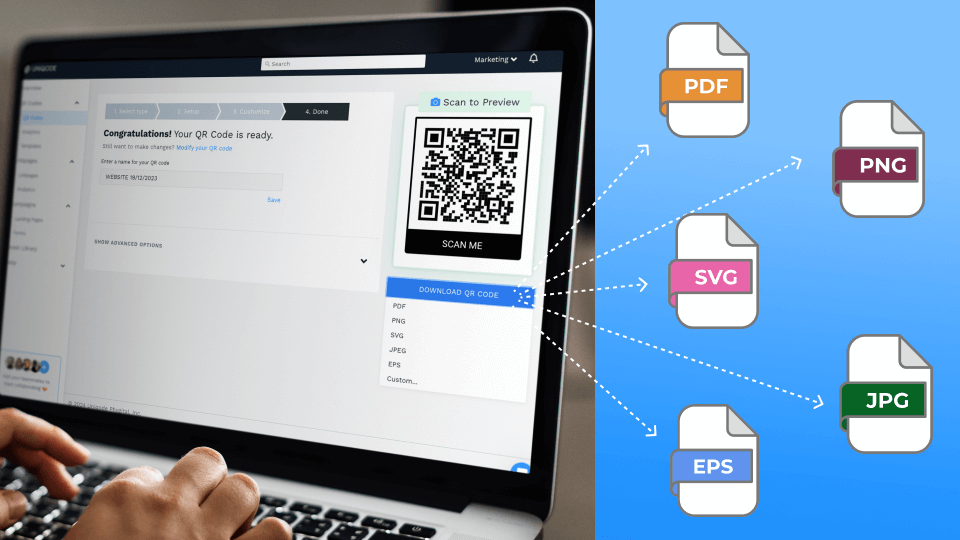
QR Code Formats: File Types, Structural Formats, and What Each One Actually Means
Blurry QR Code: Why It Happens and How to Fix It
QR Code Minimum Size Guidelines: How Small Can a QR Code Be?
Why Is Your QR Code Not Working? 13 Causes and Fixes (2026 Guide)