QR Codes in Hospitality: Increase Revenue and Improve Operations
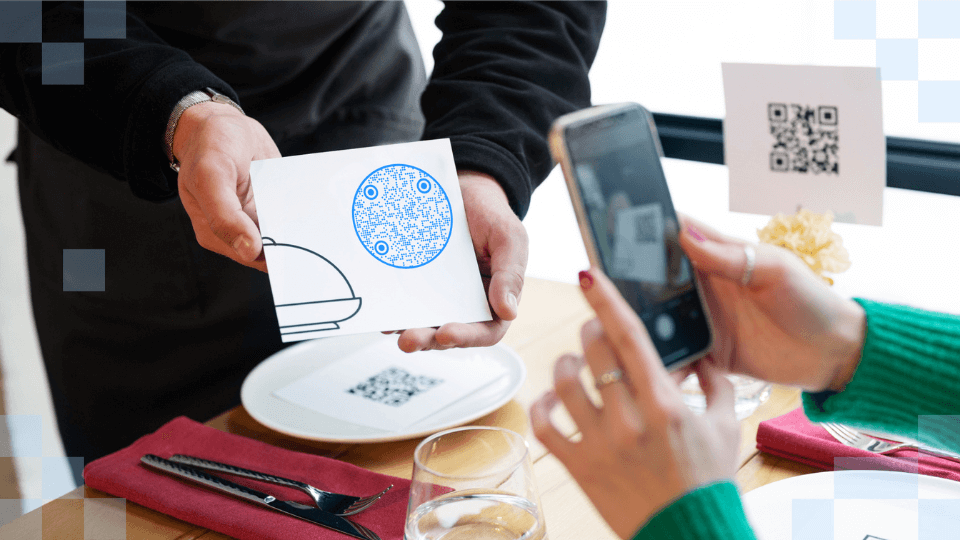
Customer experience is the epitome of hospitality industry. Use QR Codes to enhance guest experience and offer better services. Retain customers, generate new leads and boost your ROI.
Guests expect instant access in restaurants, hotels, and resorts, but traditional touchpoints slow them down. Hospitality QR Codes remove that friction.
QR Codes in hospitality are scannable codes that open links or actions on a phone. These codes let guests view menus, book services, access Wi-Fi, and pay without waiting.
This guide explains how QR Codes in hospitality increase revenue and improve operations by enhancing the guest experience, speeding service, and driving more direct bookings. It also shows how businesses turn scans into orders, upgrades, and repeat visits.
Why do QR Codes matter in hospitality?
QR Codes increase revenue, improve efficiency, and create smoother guest experiences in hospitality. The impact appears across four key areas.
1. Increase scan confidence in trusted environments with QR Codes
Trusted environments increase scan confidence because guests already expect to interact with services in hospitality settings. Restaurants, cafes, and bars are the most common scan locations, with 58% of consumers scanning in these venues, according to Uniqode’s State of QR Codes 2026 report.
Hospitality environments create natural scan intent because guests are already looking for a menu, Wi-Fi access, or service. Scanning answers an active need. 55% of consumers say a trusted environment determines whether they scan.
A restaurant table or hotel lobby already provides a trusted environment. QR Code placements in these locations create low-friction opportunities to upsell upgrades, promote loyalty programs, highlight high-margin items, and capture reviews.
2. Increase direct bookings and reduce OTA dependence with QR Codes
QR Codes increase direct bookings and reduce reliance on online travel agencies (OTAs) by guiding guests to owned booking channels. Online travel agencies charge commission fees that reduce hotel revenue. Many hospitality brands are looking for ways to encourage more direct bookings through their own channels.
QR Codes provide the way to guide guests toward these direct booking paths. When placed on in-room materials, post-stay receipts, or key card envelopes, a scan takes guests straight to the hotel's booking engine. This flow bypasses OTA discovery.
Direct bookings typically generate more revenue. Guests who book direct choose premium rooms, add upgrades, and spend more on the property. QR Codes make booking links, offers, and loyalty programs easy to access throughout the guest journey. This access reduces reliance on OTAs and strengthens guest relationships.
3. Increase ancillary and non-room revenue with QR Codes
Room revenue rarely delivers the highest margins. Profit comes from F&B, spa, upgrades, experiences, and parking. QR Codes for hotel upsells work because they remove the friction that kills most ancillary programs.
Traditional upsell channels place the burden on the guest. Guests must download an app, visit the front desk, or call a number. QR Codes at high-dwell touchpoints surface upsell offers without friction.
For properties running lean teams, fewer staff-dependent upsells means fewer missed opportunities. Hotels can attribute QR Code activity directly to ancillary revenue because every scan can be tracked.
4. Improve staff efficiency in lean teams with QR Codes
According to a survey by the American Hotel and Lodging Association, 65% of hotels report staffing shortages. Properties are trying to fill an average of six to seven open positions each.
QR Codes help smaller teams manage routine guest needs. These codes for check-in, menus, requests, and feedback reduce front desk workload. This shift frees staff for the high-value guest interactions that build loyalty.
Top six QR Code trends in the hospitality industry
Drawing on findings from the Uniqode State of QR Codes 2026 report, these six trends show how hospitality operators are using QR Codes today. They drive revenue, reduce operational friction, and deepen guest engagement.
Together, these trends point to smarter operations and stronger guest relationships. They also deliver measurable revenue for teams that run a consistent QR Code program across properties.
The takeaway is simple. Operators who build QR Codes into everyday guest touchpoints see higher spend, fewer staff bottlenecks, and more repeat visits.
1. Restaurants are the blueprint for QR Code adoption across hospitality
Restaurants cracked the QR Code model first. 58% of consumers most often scan QR Codes in restaurants, cafes, and bars. That makes it the top scanning environment globally. Restaurants outpace websites by 16 percentage points and product packaging by 18.
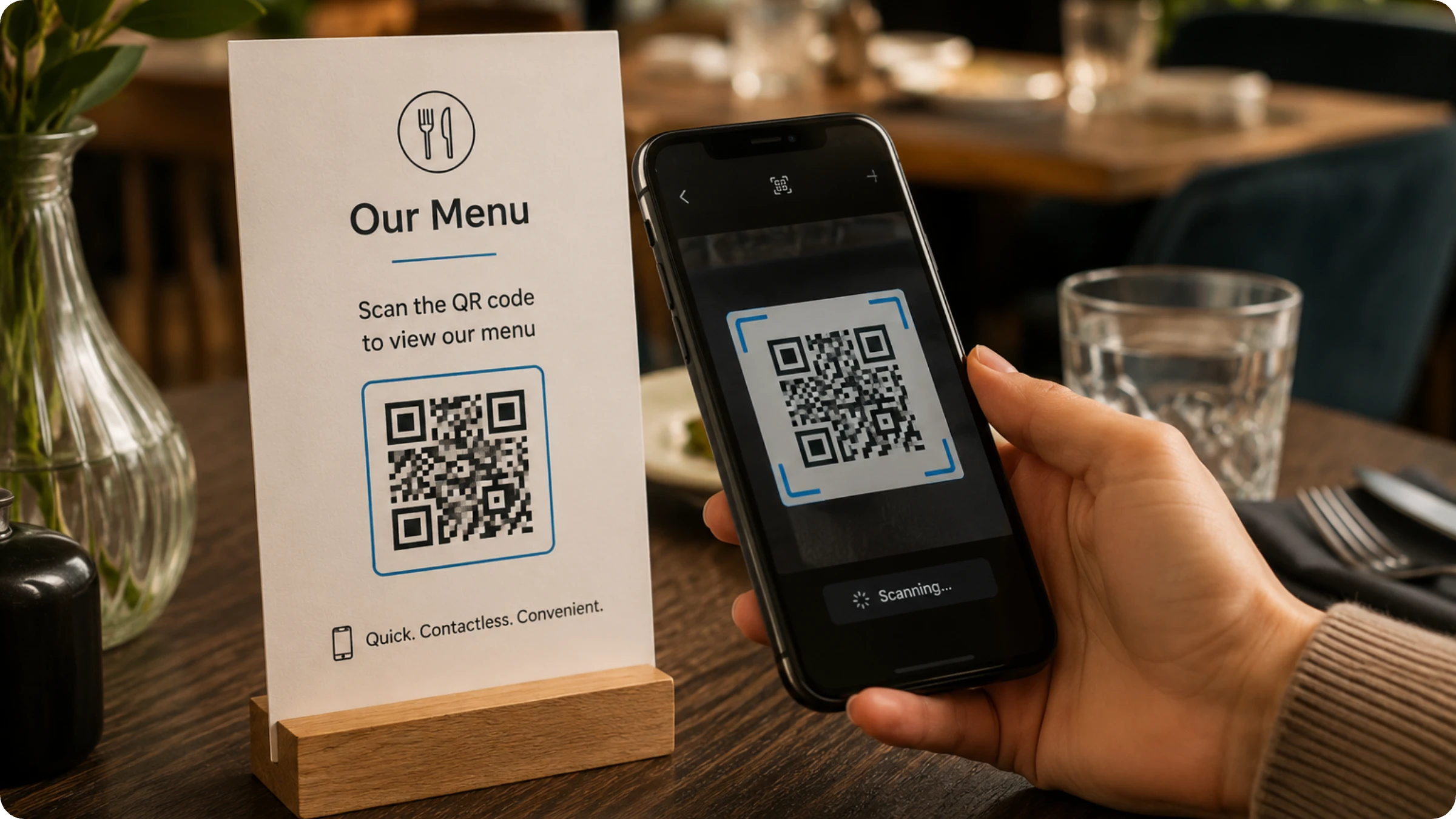
QR Code menus stuck around because they solved specific problems. Guests get instant access without sharing surfaces. They can place orders without waiting for a server. Operators can also show different menus by time of day from a single code.
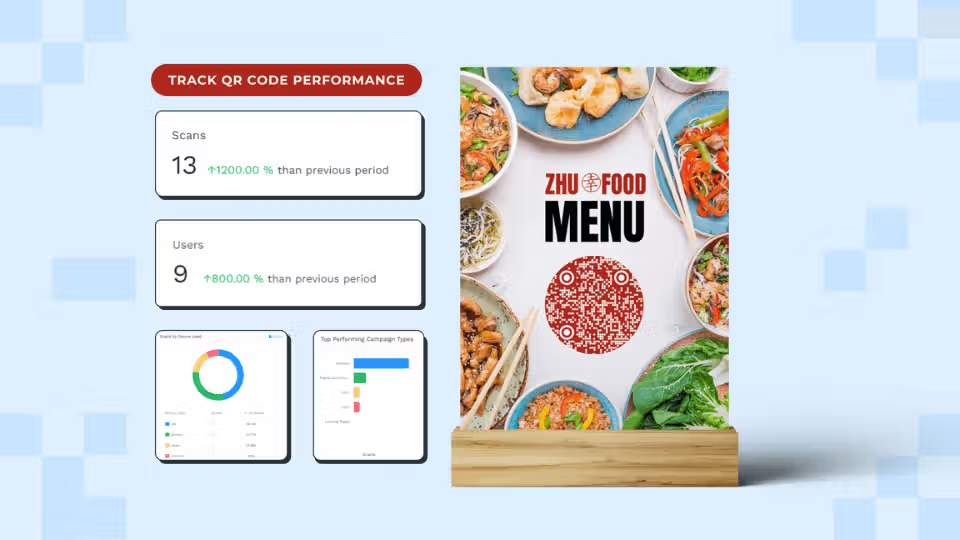
The principle is the same across hospitality: deliver the right information at the right moment through a single scan. Hotels can surface in-room services the moment a guest checks in. Venues can share live event schedules without printed handouts. Resorts can let guests book activities directly from their rooms.
Related: Restaurant QR Code ideas from top brands
2. Hospitality ranks among the highest-performing industries by scan rate
The hospitality industry generated more than 20,000,000 total QR Code scans in 2025. The average QR Code in hospitality was scanned 328 times. That is one of the highest averages across all industries in the State of QR Codes Report.
Hospitality outperforms CPG and Business Services for a clear reason. Guests return to the same physical touchpoints repeatedly. The bedside card, the table tent, and the checkout counter all see the same guests multiple times across a single stay.
Scans peak between 5 PM and 8 PM. A secondary spike runs from 10 PM to 1 AM. These windows align with dinner service and late-night in-room requests. They give operators a clear opening for time-sensitive promotions and service triggers.
3. Dynamic QR Codes are replacing static print across properties
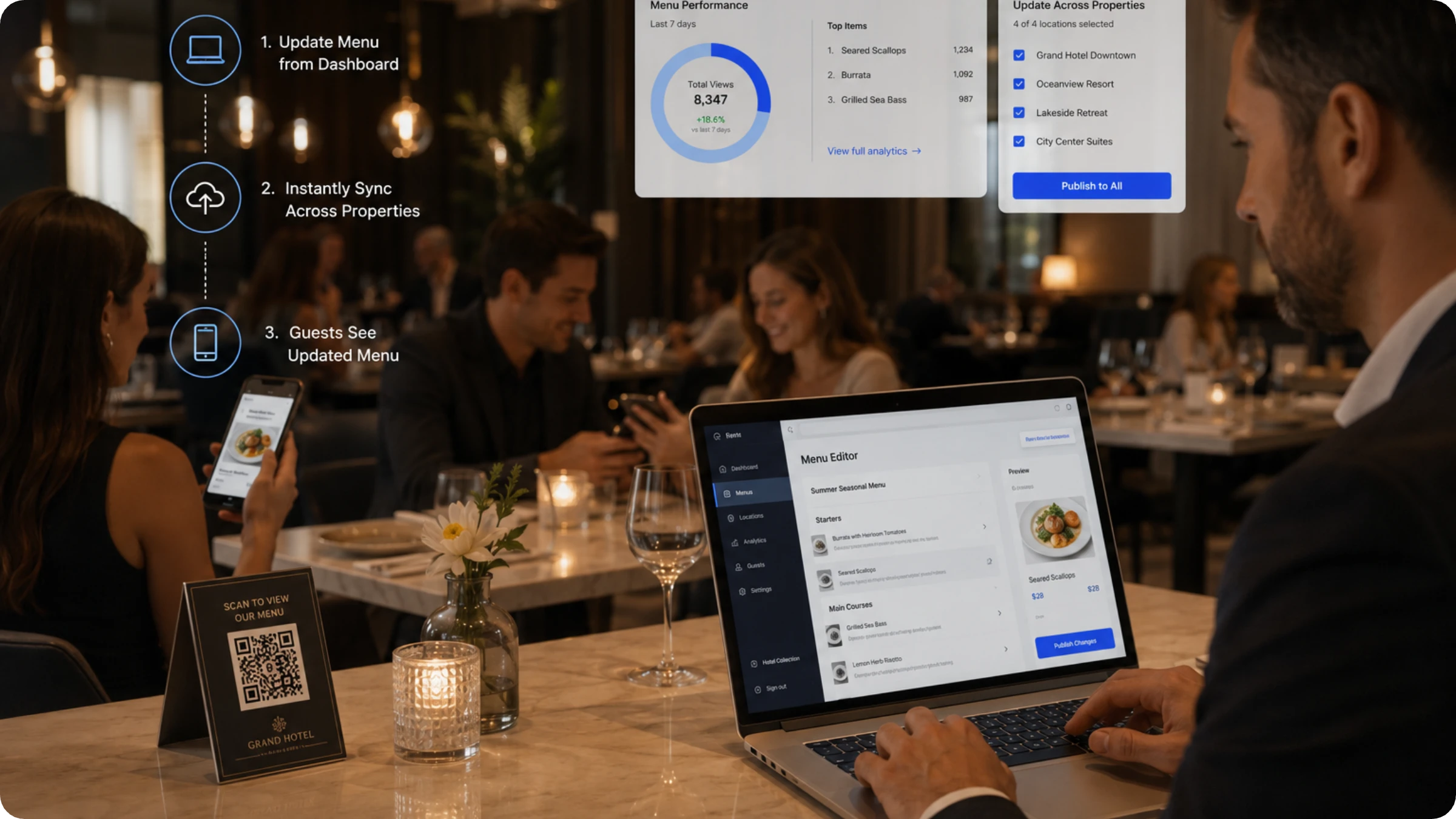
76% of marketers now use dynamic QR Codes, according to Uniqode's State of QR Codes report. 73% report at least some reduction in printed or reprinted materials as a result.
In hospitality, this is a direct operational win. Menus change seasonally. Promotions update weekly. Spa availability shifts daily. One code, updated from a dashboard in seconds, reflects the change across every location instantly.
There is a sustainability angle too. Hotel groups with published ESG commitments can eliminate seasonal reprints across hundreds of properties. That counts as a measurable, reportable contribution to sustainability goals.
4. QR Codes are becoming a direct booking and loyalty channel
Hotels and restaurant groups are using QR Code-linked bookings and loyalty opt-ins to reduce OTA dependency. The goal is to turn one-time guests into repeat customers with higher lifetime value.
The mechanic is straightforward. A scan at a peak-satisfaction moment opens a direct booking page or a loyalty enrollment form. The best moments are post-meal, at checkout, or on the in-room card. These are when guests are most receptive. Instead of feeding that intent to an OTA, operators capture the guest directly into their own CRM.
83% of consumers say they are willing to share personal data after scanning a QR Code. That makes every scan a consented data opportunity. It is also a chance to build a direct guest relationship that extends beyond the stay.
5. Chains are standardizing QR Code programs at scale
Hospitality accounts on Uniqode deploy an average of 47 QR Codes per customer. That number reflects the range of use cases across a single property or chain. Multi-property operators are moving away from individual property experimentation. They are shifting toward chain-wide standardization.
Guests expect consistency. A guest at a brand's property in Atlanta expects the same experience as one in Denver. QR Code programs standardized at the corporate or regional level deliver that consistency. Local teams still get customization options without rebuilding the program from scratch.
Properties that started with free QR Code generators consistently hit a wall. Common failure points include broken links, no analytics, no editing capability, and no visibility into where every code points. These gaps are what push operators toward managed solutions.
6. The scan-to-loyalty loop is the emerging playbook
Every QR Code scan is a touchpoint. The scan-to-loyalty loop turns each touchpoint into the start of a repeat visit. The most forward-looking operators are making the shift. QR Codes are no longer single-use access tools for them. They are relationship-building infrastructure.
The pattern is already proven. A global fast-food chain placed QR Codes on packaging immediately after purchase. The result was a steady stream of satisfied diners converting into repeat app users and loyalty members. The scan happened at the moment of highest satisfaction.
Every scan is a decision point. Operators can treat it as a one-time transaction. Or they can use it to start a guest relationship that compounds across future stays.
The economics reinforce the approach. Acquiring a new hotel guest costs 5 to 10 times more than retaining one. The scan-to-loyalty loop is how operators close that gap.
→Related: How to create a QR Code-based customer loyalty program
Top 7 hospitality QR Code use cases (and how they move KPIs)
The strongest QR Code programs in hospitality are mapped to the guest journey. Use cases are split into two categories: marketing-led (revenue and data capture) and operations-led (efficiency and guest happiness). Both drive measurable KPI impact for QR Code campaigns. The top 7 use cases for hospitality are listed below.
| Use case | How it works | KPIs |
|---|---|---|
| Digital menus, ordering, and one-tap payments | Guests get instant, time-aware access to menus and offers from a single code. Table-side ordering and one-tap payments speed service and increase average check. | Ancillary revenue, staff efficiency, guest NPS |
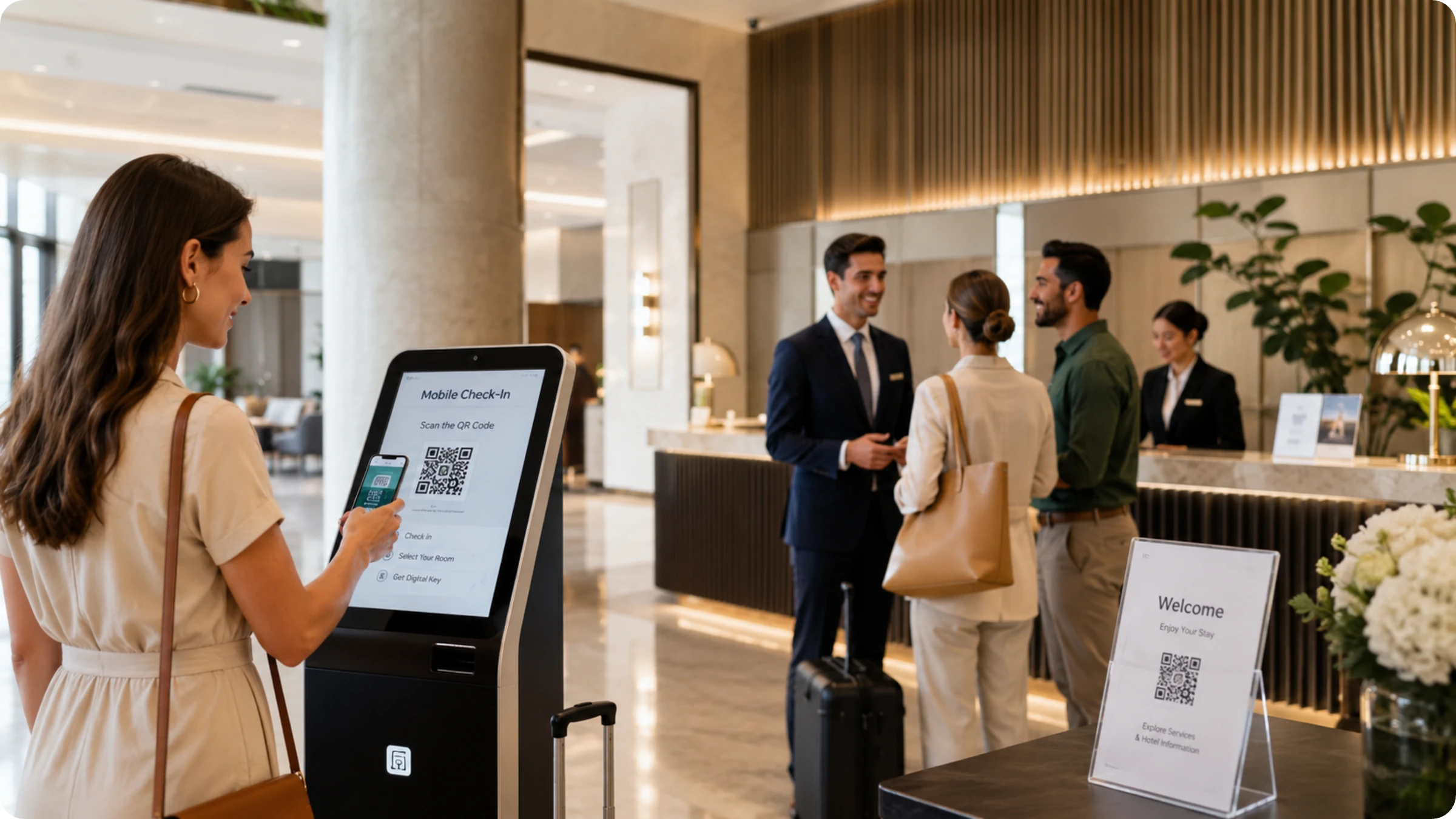
| Mobile check-in and phone-as-key experiences | A QR Code in a booking confirmation or arrival email launches the check-in flow or issues a digital key with no app install, cutting front-desk queues. | RevPAR, occupancy, staff efficiency, guest NPS |
| Personalized upsells and on-property offers | Codes at high-dwell touchpoints like in-room cards, poolside, and elevators surface contextual, time-sensitive offers that feel helpful and convert at higher rates. | Ancillary revenue, ADR, guest LTV |
| Guest feedback and review capture | In-moment prompts collect feedback while impressions are fresh. Satisfied guests are routed to public review pages; issues are flagged before checkout. | Guest NPS, review scores, repeat guests |
| Loyalty enrollment and direct booking | Codes on receipts, key envelopes, and in-room materials open loyalty sign-up or direct booking pages, capturing guest data into the brand CRM instead of OTAs. | Direct booking %, OTA commission savings, repeat guest rate |
| Event tickets, direct entry, and venue flow management | QR Codes handle ticketing, timed-entry passes, and schedule lookups for conventions, attractions, and resort events, reducing line management and staffing needs. | Occupancy rate, staff efficiency, guest NPS |
| Ancillary revenue hubs | A single QR Code hub links to room service, spa bookings, upgrades, and curated experiences, enabling scalable upsell programs across properties without adding headcount. | Ancillary revenue, ADR, RevPA |
Hotel operators who see the strongest results connect use cases across the customer journey. Each scan builds on the last and every touchpoint has a measurable job to do.
→Related: QR Code analytics: What happens after customers scan your QR Code
What a winning QR Code program looks like for hotels and restaurants
Deploying a QR Code is straightforward. Building a program that drives revenue across properties and stays consistent requires a different approach. The four principles below cover what works and what fails over time.
1. Build guest trust and increase scan rates with branded QR Codes
According to the latest State of QR Code Report, 31% of consumers are more likely to scan a QR Code when it includes visible branding or a logo. A code carrying the hotel's logo, brand colors, and a clear CTA is treated as a hotel service, not an unknown link. Pairing a branded code with a custom domain (not a generic short link) adds a second trust signal.
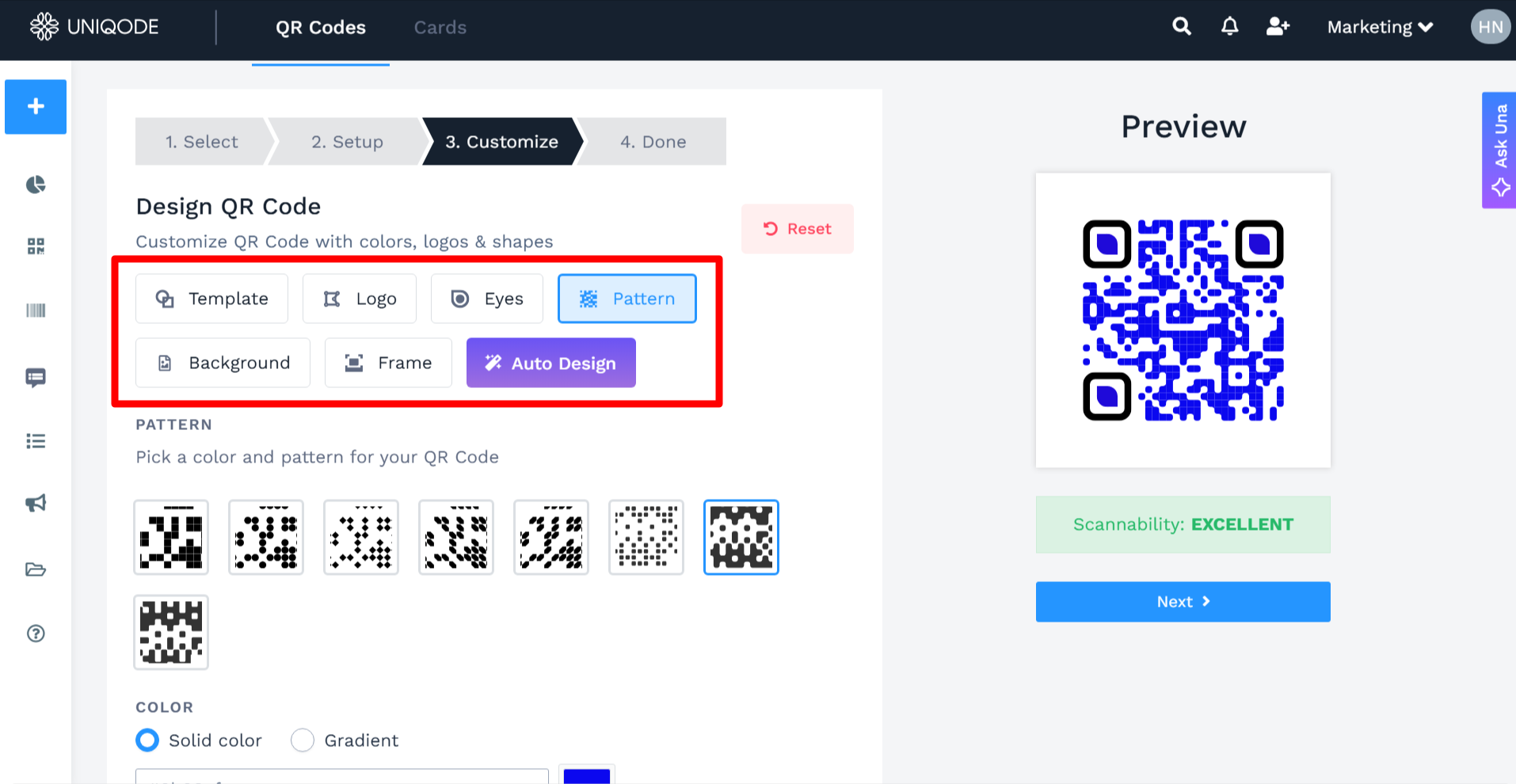
On Uniqode, you can customize every element of a QR Code: logo, background, patterns, frame style, eye, colours, and CTA label. Every code a guest scans reflects the property it belongs to. You can also create custom branded domains for your QR Codes.
2. Update menus, offers, and guest information instantly without reprinting
With static codes, every menu change or promotional update requires a reprint. With dynamic QR Codes, you can update content from a dashboard in seconds, and every physical code in every location instantly reflects the change. According to the State of QR Code report, 73% of marketers report a reduction in printed materials after adopting dynamic QR Codes.
Dynamic QR Codes can be updated, redirected, and tracked anytime, without reprinting or replacing them. On Uniqode, you can change the link behind your QR Code anytime. Hotels and restaurants can update menus, offers, booking links, or service pages in real time. There is no need to reprint table tents, in-room cards, or other materials.
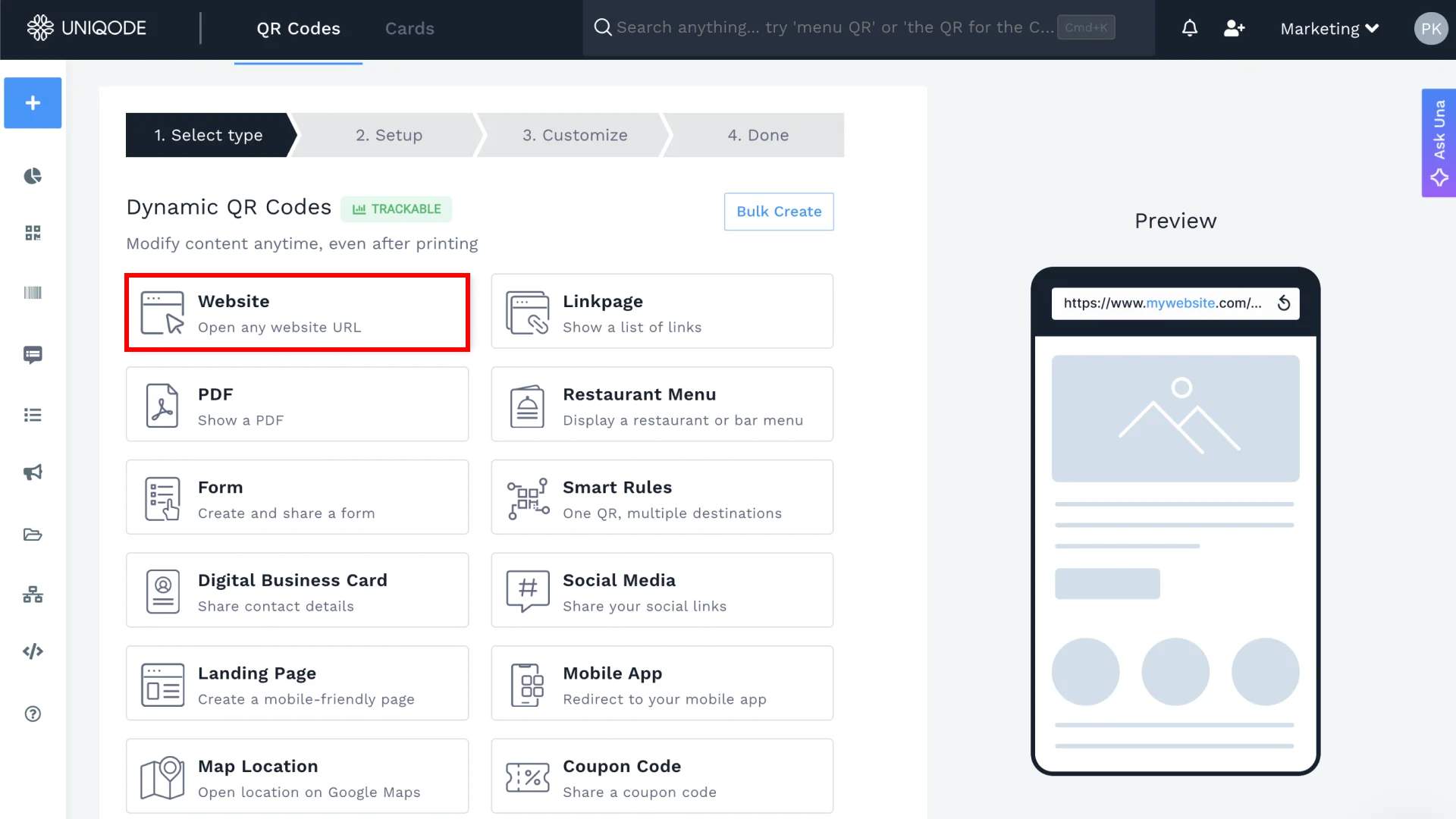
You can also schedule automatic redirects based on date, time of day, location, or device with Smart Rules. So, a single code shows the right content at the right moment without any manual updates.
<micro video> smart rules feature
3. Scale QR Code programs across multiple locations without operational chaos
The challenge in using QR Codes for multiple properties is maintaining your brand image and the right content across multiple properties simultaneously. A promotion that runs in one city and not the other, or a menu that updates at the flagship and stays outdated everywhere else. The right program structure handles this at the infrastructure level, not through manual coordination.
- Bulk creation keeps rollouts consistent across every property at once.
- Folder organization gives teams a clear view of what is deployed where
- Role-based access lets property managers update their own content without central teams losing oversight or brand control.
On Uniqode, you can use the Bulk Create option to upload a spreadsheet with each QR Code's name, destination URL, and property tag. Uniqode generates all codes in one batch, automatically organized into folders by property or region.
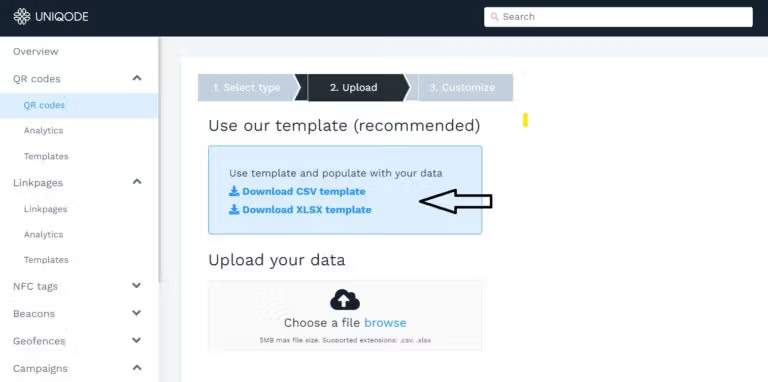
You can also assign role-based access. For example, regional managers can get editor access to their own folder, allowing them to edit content without affecting any other property's code.
The admin can also lock down brand-level settings, such as the logo and domain.
4. Connect QR Codes to your guest data and marketing systems
Most QR Code programs generate scan data that lives in isolation, disconnected from the Property Management Systems (PMS), Customer Relationship Management (CRM) tools, and email tools. If the data from QR Code scans directly flows into your marketing systems, you won’t have to manually follow up. For example, a loyalty opt-in from a QR Code scan flows directly into your CRM. You can setup an automation for a welcome sequence or personalized offers.
Uniqode connects natively with PMS, CRM, Google Analytics 4, and major email platforms, so a scan at checkout can trigger a loyalty enrollment sequence, a personalized rebooking offer, or a staff alert without any manual step in between.
→Related: QR Code analytics: what happens when customers scan your QR Code
Examples of global hospitality brands using QR Codes
QR Codes have a myriad of usages across the hospitality sector. Here are some prominent ones:
1. Hotel promotion by W Hotels
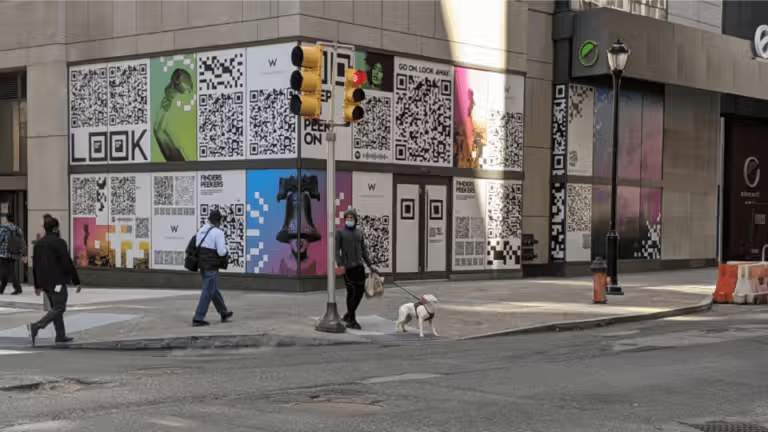
W Hotels turned a Philadelphia construction site into an early demand generation tool. QR Codes on the hoarding let curious passersby scan and preview the upcoming oproperty. This is a great of example of building local awareness and brand familiarity months before opening day.
2. PVR Cinema uses QR Codes to promote in-theatre dining
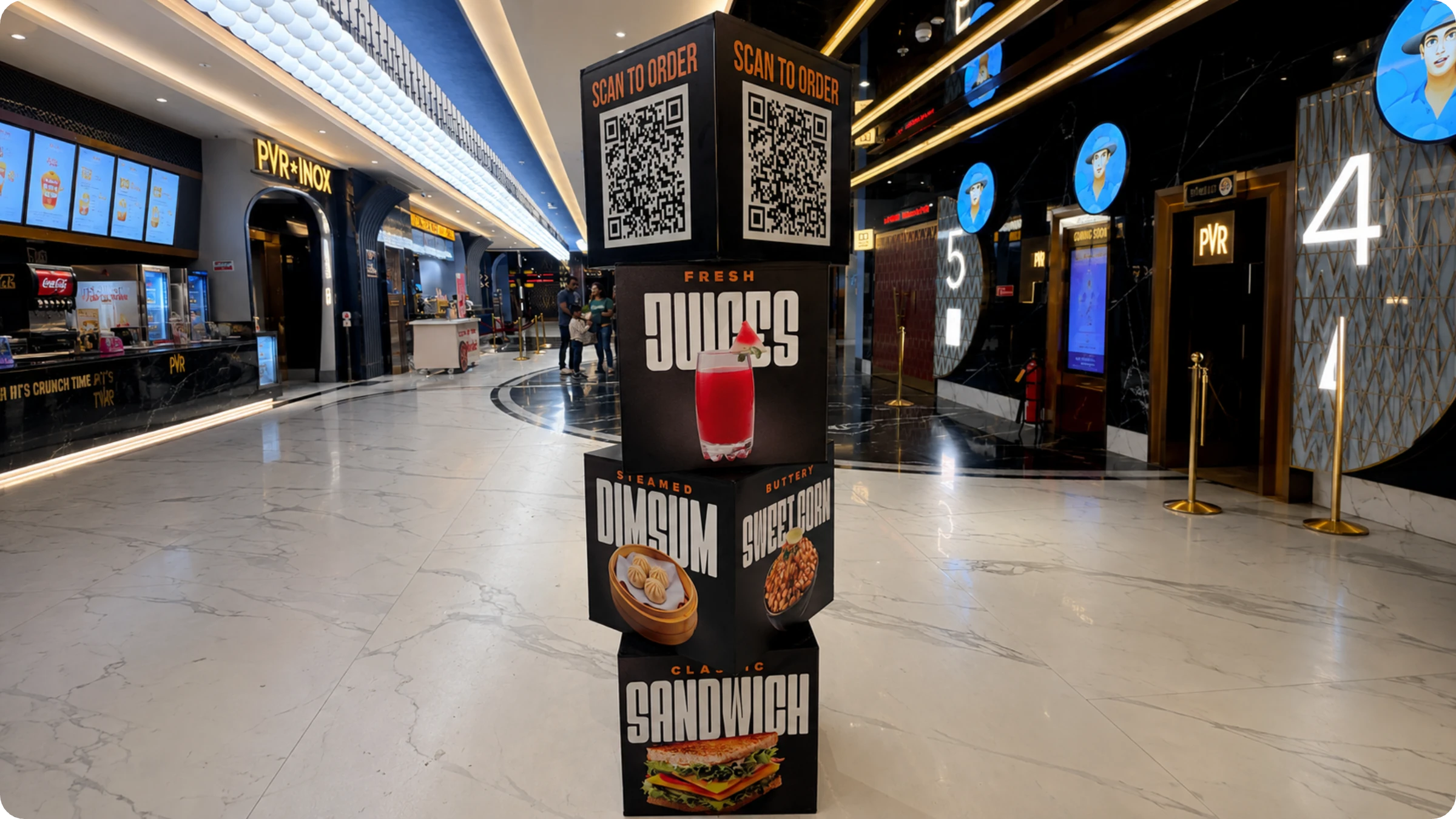
PVR, a multiplex cinema chain, places QR Codes at every pre-show touchpoint: outside the hall entrance, in the app, and through WhatsApp promotions. Guests can browse the menu and order food before taking their seats. This means shorter queues at the counter, faster service during intervals, and more orders.
3. Ramada Hotel promotes additional services with QR Codes
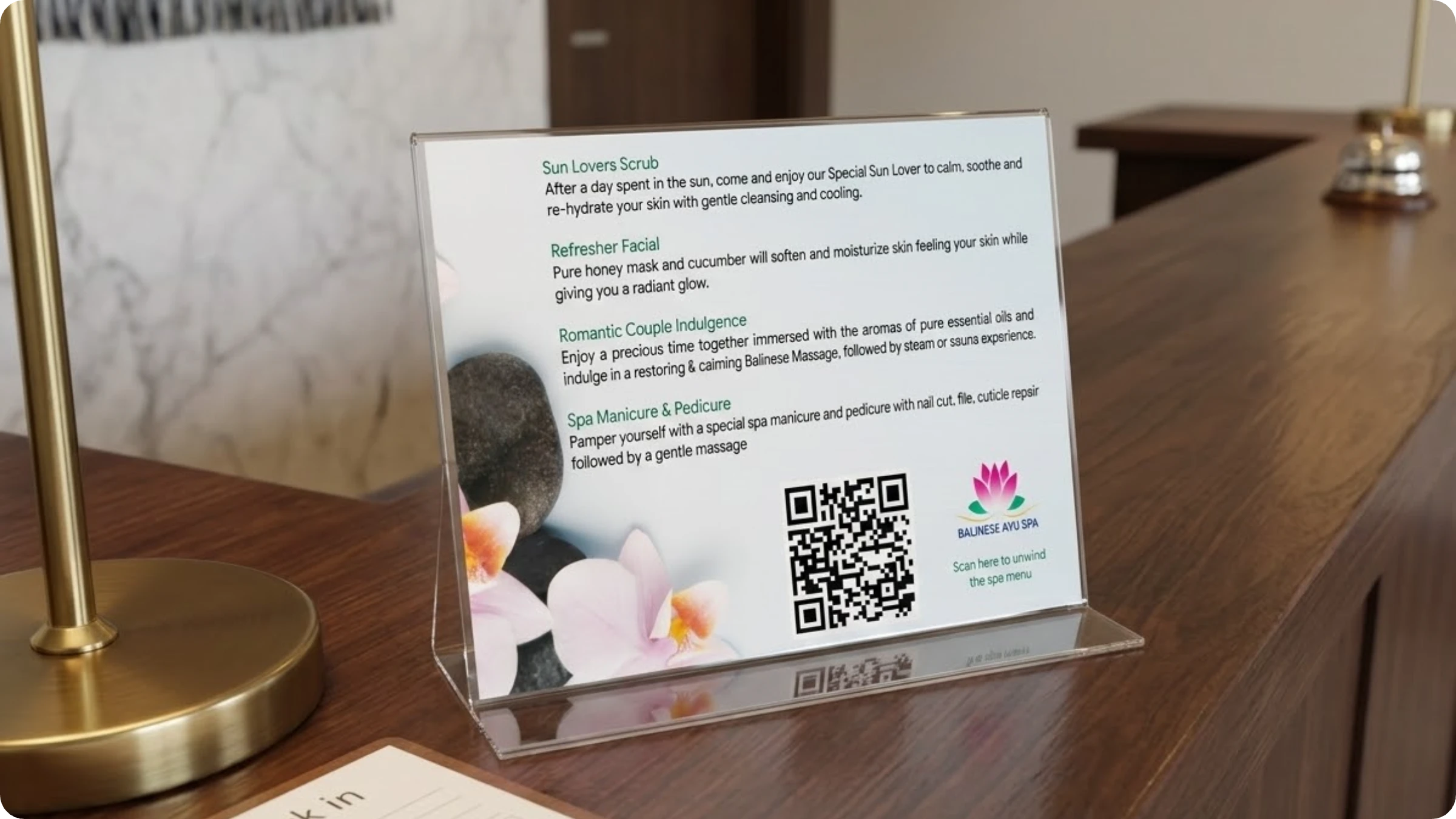
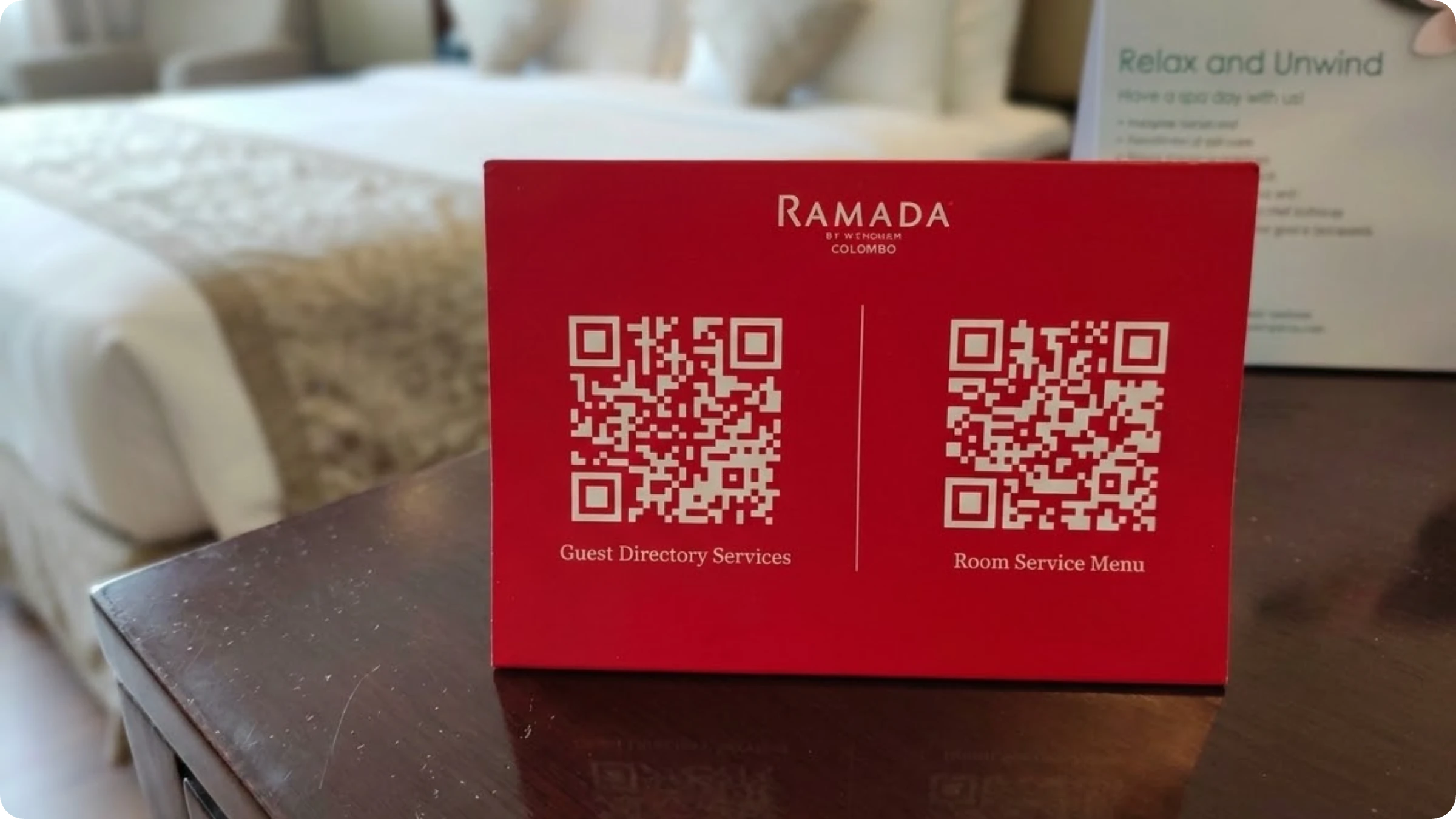
Ramada places QR Codes across the property to upsell services. A code in the room links to the room service menu. One at the front desk promotes spa packages. The goal is to increase ancillary revenue by converting guests to active buyers. This helps increase the spend per stay without adding pressure on the front desk or concierge staff.
4. Disneyland uses location QR Code for easy navigation
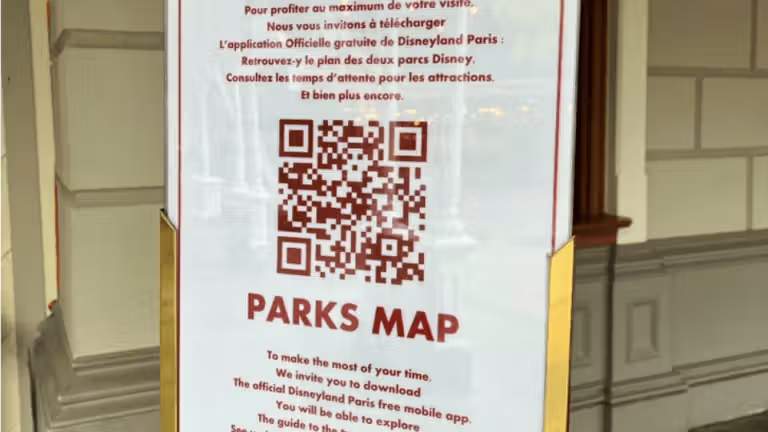
QR Codes for location sharing are an efficient and sustainable way to find facilities like cafes, popular rides, and washrooms at amusement parks and zoos. Additionally, malls can use QR Codes to help find free parking spaces.
For instance, Disneyland Paris was among the first to obliterate paper maps and introduce QR Code maps that guests could navigate via their app.
5. QR Codes at Universal Studios
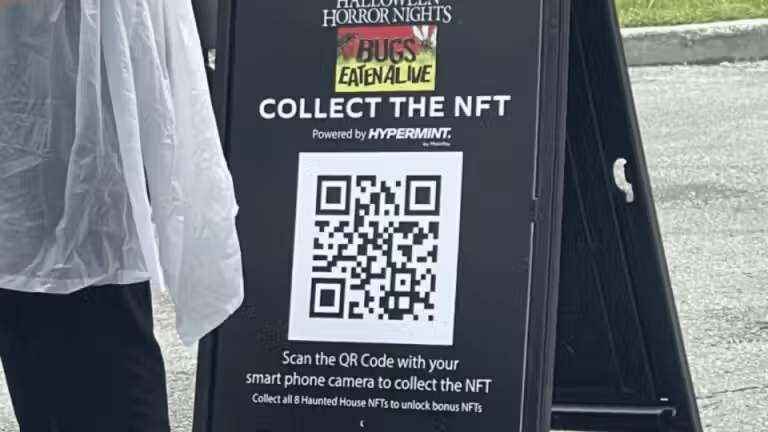
In September 2022, Universal Studios hid QR Codes across seven parks as part of a scavenger hunt. Guests who scanned all seven could mint a limited NFT. This QR Code strategy can extend their time on site and give them a story worth sharing, turning a single visit into an active, memorable experience.
Turn every touchpoint into a measurable event
QR Codes in hospitality work because the environment already does the heavy lifting. Guests are in a trusted setting, actively looking for something, and willing to scan. Operators who connect QR Codes across every guest touchpoint see results that build on each other. More direct bookings, more loyalty sign-ups, higher spend per stay, and fewer staff hours spent on manual tasks.
The next step is to audit your highest-traffic guest touchpoints and identify where a scan could replace friction or capture intent. Then, you can create QR Codes that connect those moments to your revenue goal. Start with one QR Code and check how well it’s performing.
Start a 14-day free trial with Uniqode to create, manage, and track branded QR Codes across your properties.
Frequently Asked Questions
- 1. What is the use of QR Codes in hospitality?
QR Codes can be used throughout the entire customer lifecycle to provide an easy and smooth customer experience in the hospitality space. This includes experience enhancements during check-in, accessing digital menus, placing orders, payment, gathering feedback, and online reviews. Additionally, they can be used to share information about a product or destination.
- 2. How are QR Codes used in tourism?
The travel and tourism sector has been using QR Codes to share information with tourists about a destination, itineraries, directions, and points of interest around a specific destination. QR Codes are also used for getting feedback, reviews, and ratings and growing followers on social media.
- 3. What are QR Codes used for restaurants?
Restaurants have many uses for QR Codes but the most popular are digital menus that can be scanned via mobile device easily. You can create and change the menu with dynamic QR Codes. Restaurants also make it easy to make payments via QR Codes.
About the Author
Ektha is a QR code expert with years of research and analysis into the evolution of QR codes. Having written over 70 in-depth articles on QR technology, she has developed a comprehensive understanding of how QR codes are transforming industries. Her insights, including The State of QR Report, have been featured in leading publications. With a passion for simplifying complex topics and providing actionable strategies, Ektha helps businesses leverage QR codes to enhance their 'phygital' connections.