QR Codes for Museums: 7 Ways to Boost Visitor Engagement
Discover how QR Codes revolutionize museum visits, providing insights, promoting events, and enhancing the overall experience. From sharing in-depth art details via QR-linked webpages to leveraging social media promotions with discounts, museums can seamlessly engage visitors using QR Codes.
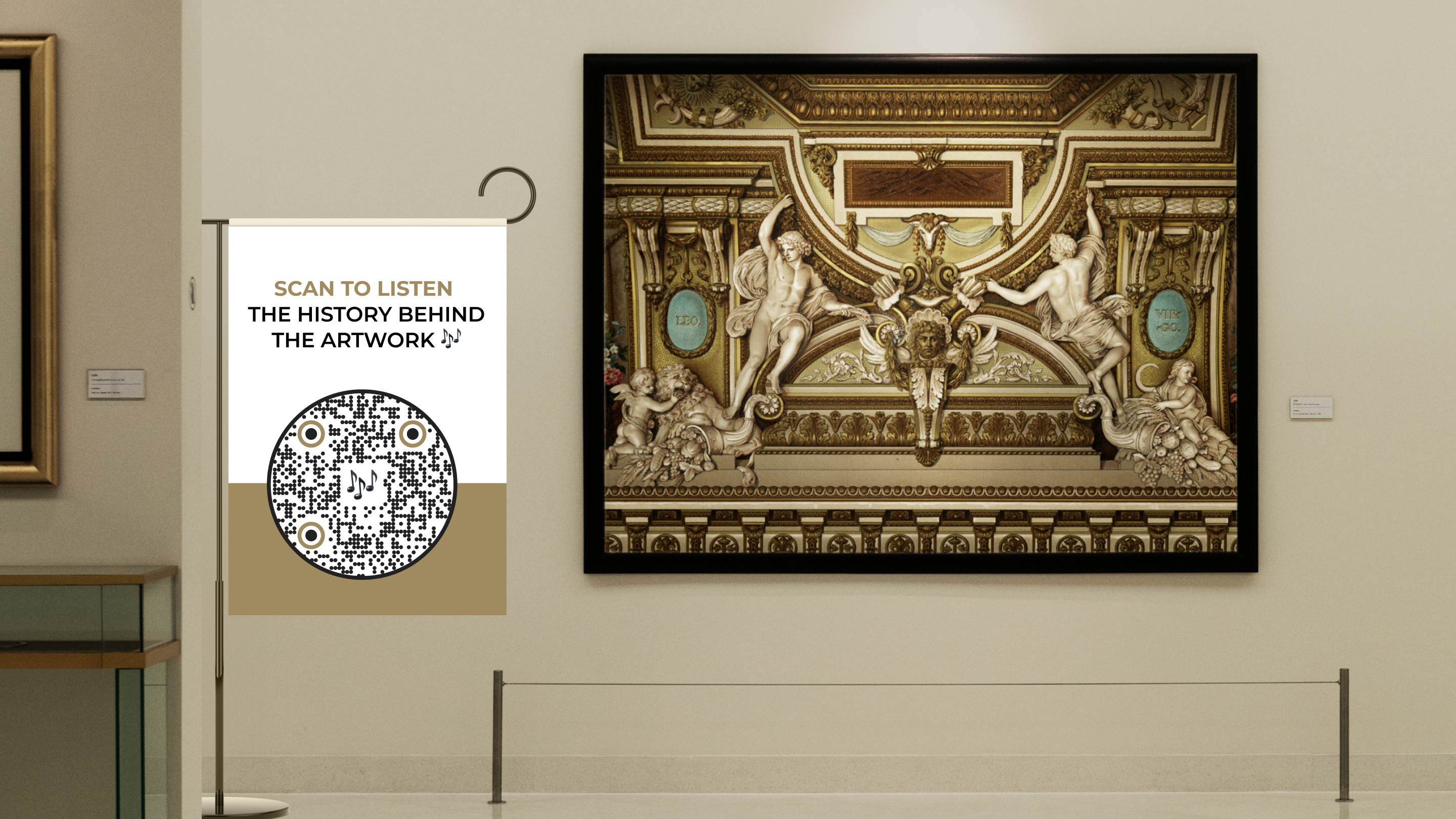
Museums use QR Codes to connect physical exhibits with digital content like audio and video guides, multilingual translations, wayfinding maps, and interactive experiences, all without the cost of dedicated hardware. Just a quick scan next to an artwork or display, and you can choose the story, language, or format that fits you best.
This change is significant, especially when you consider the numbers. US museums welcome over 850 million visitors each year, more than all major sporting events combined. They also contribute about $21 billion to direct economic activity, according to the American Alliance of Museums. Yet many of the world’s top museums, such as the Guggenheim, the Louver, and the National Museum of Natural History, still rely on rented audio devices and printed maps. These tools are costly to maintain and take time to update.
QR Codes offer a simple solution. With just one dynamic code, museums can provide an audio guide, an AR experience, a feedback survey, or a multilingual label. The best part? These codes can be updated instantly whenever an exhibit changes, so there is no need to reprint anything. Let us see how museums are making the most of this technology.
How can museums leverage QR Codes to enhance the visitor experience?
#1 Share facts and history about art pieces
One of the most vital aspects of visiting a museum is to learn in detail about the art pieces, painting, or installation in detail.
Embedding chunks of information on glass boxes or even catalogs distracts the visitor from the centerpiece.
Beverly Serrell, a museum consultant, says, “Research shows that if an exhibit begins with a text containing several paragraphs, most people will read the shortest first paragraph, regardless of where it is in the layout,” making visitors miss essential details of the art.
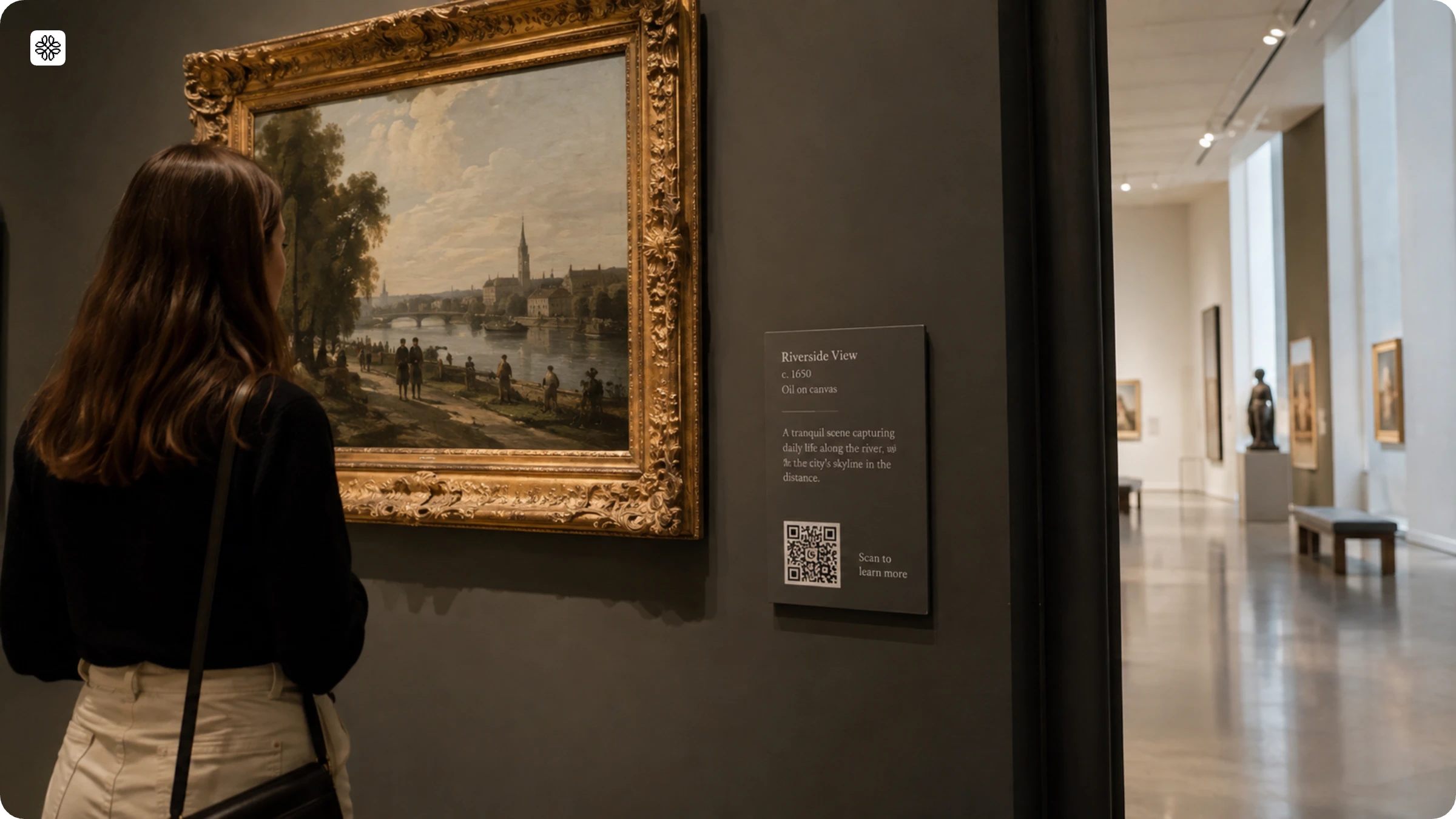
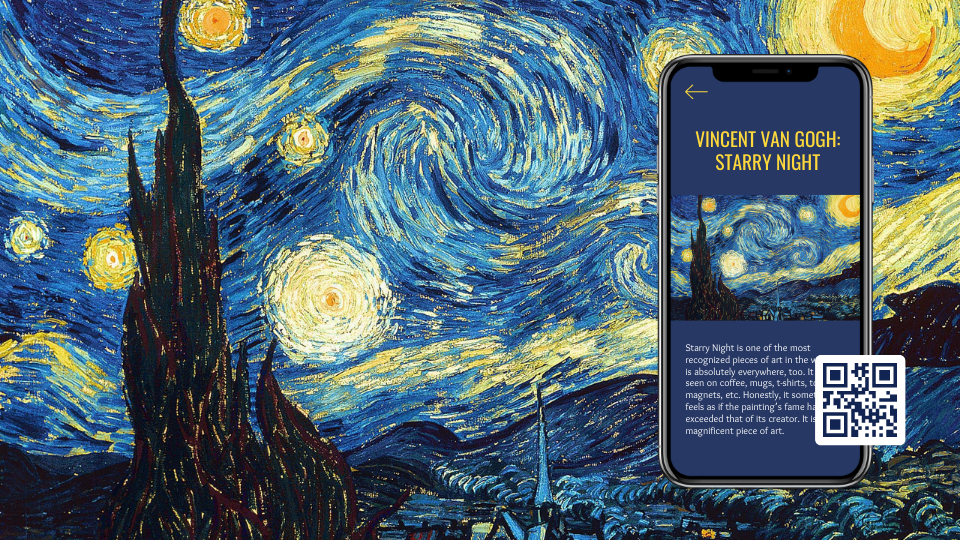
Minimize this practice’s shortcomings by including a QR Code that can be linked to the museums’ landing page containing interesting facts about the art piece. The webpage can be further optimized into audio clips or animated illustrations explaining the art piece. Moreover, Museums can redefine visitor engagement by blending interactive technologies or educational sessions with tools that enable users to create presentations using AI.
No matter the length of the history, the information can be stored in a QR Code. QR Codes don’t take up large amounts of space, making it an ideal sharing tool.
For instance, to narrate the story behind the art installation that was perhaps created during the Neoclassicism era, you can make a QR Code link to a Youtube video explaining the features, artist, and the concept behind the installation.
#2 Attract more visitors with social media promotion
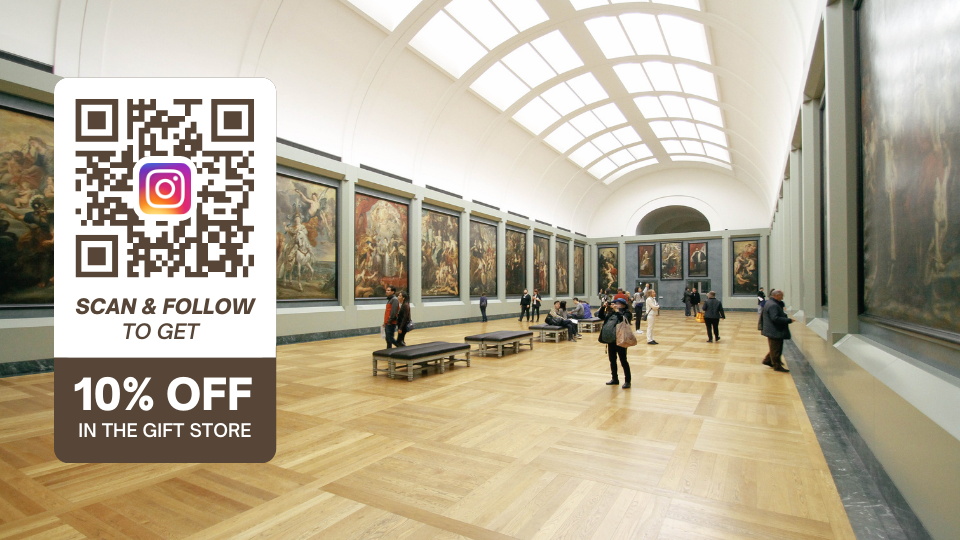
Museums are often a hotbed for content. Leveraging social media platforms for museums permit digital access to visitors for online consumption and thus, enhance visitor interaction.
The Broad Museum frequently shares photos from their exhibitions accompanied by relevant information. It allows visitors to gain useful insights into the exhibit, entices potential visitors, and reengages with those who have already visited.
Museums can attract more visitors by using Facebook QR Codes, Instagram QR Codes, and other social media platforms’ QR Codes that can be installed in the museum.
Encourage the visitors to scan the QR Code by promising a 20% discount on their next visit or a discount in the art store. Upon scanning, the visitor can like, subscribe, or share amongst the myriad of the content present on the social media channel to help gain traction.
Apart from Facebook QR Codes, museums can also use Spotify QR Codes for an audio guide of the museum to provide visitors with a tourist-guide experience.
#3 Collect visitor feedback
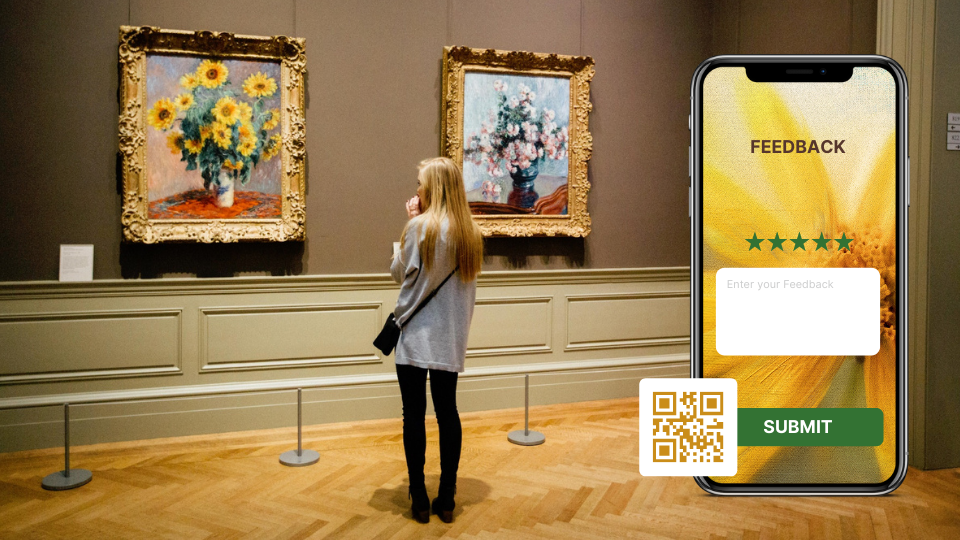
Visitor feedback is crucial for every industry vertical, including museums and art galleries.
Without receiving feedback, it is almost impossible to learn how exhibits are being received, pinpoint troubles in visitor journey mapping, and reengage with visitors.
One of the most popular ways of receiving feedback, especially in museums, is via page-long forms and surveys, making it an elaborate process.
Receiving feedback must be precise, symbolize the exact journey mapping, and seamless. Insert feedback QR Codes in common gathering areas so guests can scan the QR Code, save the link, and stroll through the museum to later fill it up.
You can also create a free QR Code for a survey to get started. Encourage visitors to provide feedback by handing free goodies, an opportunity to attend a forthcoming event for free, or even permit them access to exclusive sneak-peeks of events.
#4 Share events
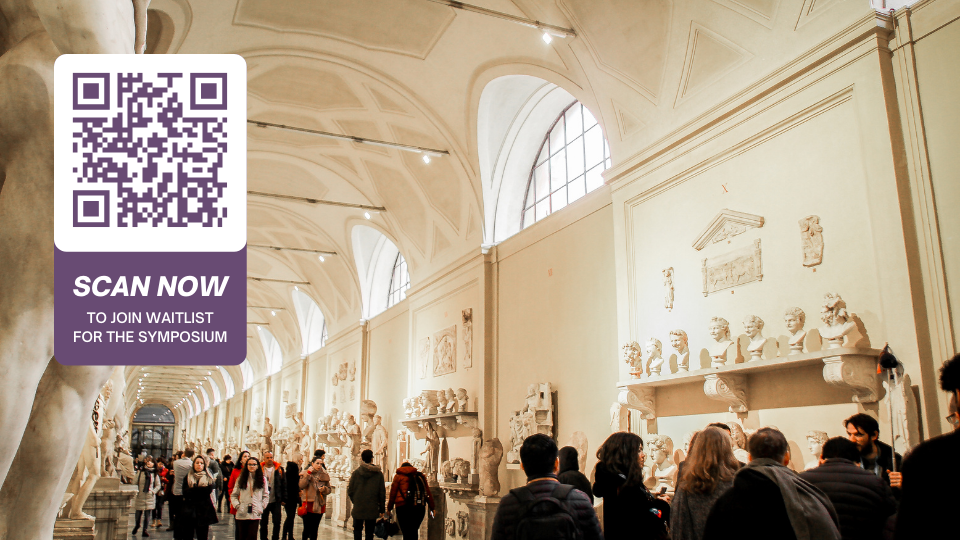
Museums and art galleries host events regularly to showcase new collections or to promote notable artists.
Frequently, event invites get buried deep in other emails and texts, making it difficult to retrieve information about the event. Make use of location QR Codes and event QR Codes to avoid this and include important details of the event, such as the artist headliner, time, and highlights.
If you are deploying posters with navigation details to the event, you can either use Google Maps or create a QR Code for Waze location to help audience retrieve location details with a scan.
Upon scanning the QR Code, visitors can save the event in their calendar and RSVP for the event without redirecting to another web page. Include the social media handles on the same landing page, so visitors can receive regular updates of the event.
Embed event QR Codes in common areas of the museum, print advertisements, and sidewalks so interested visitors can scan to learn more about the upcoming event.
#5 Augmented reality to help visitors experience the museum in real-time
Museums can extend visitor experience by including augmented reality. Augmented reality does not require museum officials to install complicated hardware/software and helps visitors to experience the museum in real-time.
The most straightforward way of using augmented reality in museums is to explain an artifact or an art piece in 3D. Museums could even use it to describe the artist next to their work with the help of AR.
Museums can use AR Code or augmented reality QR Codes to help visitors experience the art in 3D, which adds a third dimension to displays, bringing paintings and installations to life.
Popular museums such as The Art Gallery of Ontario, The National Museum of Singapore, and The Smithsonian Institution use augmented reality in their museums to enhance the visitor experience.
#6 Boost museum app downloads
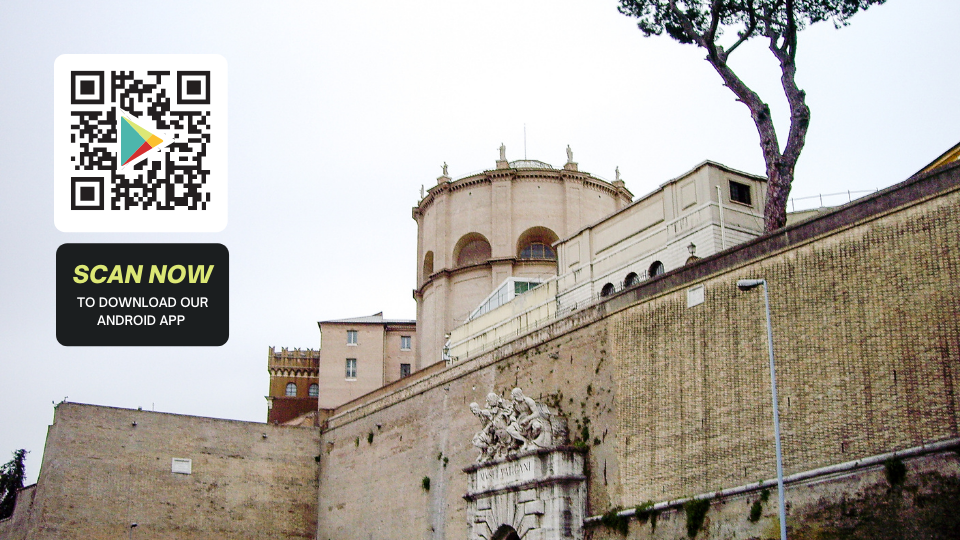
Popular museums such as Guggenheim Museum, Amsterdam State Museum, and The Salvador Dali Museum have their own fabulous interactive apps helping visitors worldwide experience and have access to their museums with just a click.
Museums can encourage their visitors to download their apps even if they’re halfway across the globe by including an app download QR Code in their promotional materials, newsletters, and events.
Make it easier for visitors to download the app on their mobile by linking the QR Code to the app download page instead of looking for it manually.
#7 Museum guide
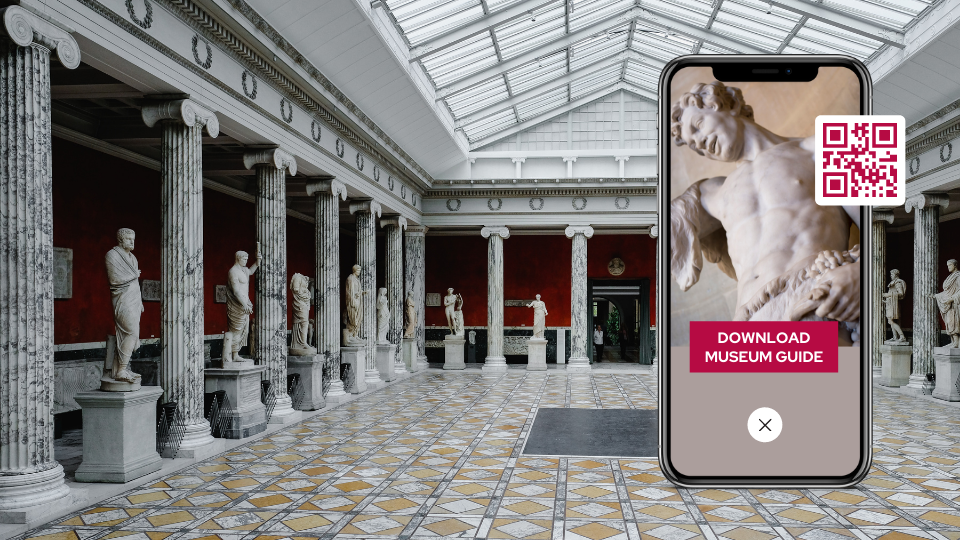
One of the most exasperating aspects of a museum is the waiting time for planned tour guides.
Say goodbye to long waiting times in museums with the help of QR Codes. Make use of video QR Codes that walk through the museum to help visitors understand the museum’s concept, the history of the exhibitions, and other vital information about the museum.
The video guide can be enhanced by incorporating VR and AR technologies to heighten the visitor experience. Also be sure to use only high-quality visuals in order to heighten your visitors’ excitement. You can grab one or two of the procreate painting brushes and your computer-generated graphics are good to go.
Bonus: You can also create a scannable QR Code PDF of the museum guide with a PDF QR Code generator.
In Madrid, the Prado Museum uses a 360-degree immersive experience to allow users to get closer than ever before to the artworks and artifacts held in the museum.
The museum could use QR Codes, in addition, to help bridge the gap between online and offline, thus increasing visitor engagement.
QR Codes for tour guides help museums achieve high visitor rates by eliminating waiting lines and providing an equally enriching experience.
Elevate visitor experience with QR Codes for museums
Jane Alexander, Chief Information Officer at the Cleveland Museum of Art, says, “The best use of digital is not to make you aware of the technology, but to make you aware of the art.”
The museum is the home of a collection of arts all over the world. Technologies such as museum QR Codes and high-tech gear like eye-tracking, motion detection, and facial recognition “exceeds barriers” for art lovers.
“It’s about putting art on the forefront. […] It’s about better practices and thinking about how this can be a toolset to get people into the collection,” she added.
People enjoy being in a shared space with their friends and family whilst learning about art from all over the world. But, they also value technology that helps them elevate their museum experience.
QR Codes for museums in conjunction with other technologies can help broaden communities by introducing iPads and videos in public spaces – to people who otherwise would not have access to the museum.
Frequently Asked Questions
- What can QR Codes in museums link to?
QR Codes in museums can link to museum landing pages with detailed facts, audio clips, animated illustrations, and YouTube videos explaining art pieces and installations. This approach solves the issue identified by museum consultant Beverly Serrell, who found that most visitors only read the shortest first paragraph of exhibit text, often missing essential details about the artwork.
- How can museums use QR Codes to increase social media engagement?
Museums can install Facebook QR Codes, Instagram QR Codes, and other social media platform QR Codes throughout their facilities to boost engagement. By offering incentives like a 20% discount on the next visit or discounts at the art store, museums can encourage visitors to scan codes and interact with their social media content, similar to how The Broad Museum successfully shares exhibition photos with relevant information.
- Do museums actually use QR Codes?
Yes, QR Codes are widely used in museums and galleries to link physical exhibits to digital content such as audio guides, videos, translations, and interactive experiences without adding new hardware. Institutions ranging from mid-size regional museums to major galleries use them for wayfinding, feedback collection, and multilingual access.
- What are QR Codes for museums used for?
Museums use QR Codes for audio and video guides, multilingual exhibit labels, wayfinding maps, interactive scavenger hunts, visitor feedback surveys, and social media promotion. Dynamic QR Codes let a museum change what a code links to at any time, without reprinting the label.
- How do museums create a QR Code for an exhibit?
Museums create a QR Code for an exhibit by using a QR Code generator. They can point a code at a URL like a webpage, video, audio file, or PDF and print it on a label near the exhibit. Platforms like Uniqode let museums manage these under a single dashboard, track scan analytics for each exhibit, and swap destination content without changing the printed code.
- Do QR Codes replace traditional audio guides in museums?
QR Codes can replace traditional audio guides in museums. Unlike rented audio-guide devices, QR Codes need no hardware to buy, charge, or sanitize between visitors and guests can scan with their own phone. Museums that switch to a cut device can update audio or video content instantly whenever an exhibit changes.
- Can QR Codes be used for multilingual museum labels?
Yes, QR Codes can be used for multilingual museum labels. One QR Code can link to a page with exhibit information in multiple languages, letting each visitor choose their preferred language on their own device rather than the museum printing a separate label for each language.
- Can visitors use QR Codes for museum scavenger hunts?
Yes, visitors can use QR Codes for museum scavenger hunts. Museums place a sequence of codes through the galleries, each unlocking a clue or mini-challenge, to create self-guided trails, a common way to engage families and school groups without a live guide.
About the Author
Tech-aficionado, curious about all things related to marketing, and a severe junkie of The Office.