How to Edit a QR Code Without Reprinting (Dynamic QR Guide)
Yes, you can edit a QR Code after printing if it's dynamic. Modify the QR code destination, design, or landing page without reprinting or generating a new code.
Most businesses print a QR Code and assume the destination is locked in and cannot be modified. But that’s true only for static QR Codes. Dynamic QR Codes let you update the destination, swap the content, and adjust the design long after printing. You can do this by logging in to your QR Code generator and changing the destination URL or content. Knowing which type you have determines whether a campaign update takes 30 seconds or requires a reprint order.
By the end of this guide, you will know exactly what can and cannot be changed, how to do it in Uniqode's dashboard, and what to check if an edited QR Code stops working.
Can QR Codes be edited after they're printed?
Yes, QR Codes can be edited after printing, but only if it’s a dynamic QR Code. A dynamic QR Code is a redirect-based QR Code type that lets businesses change the destination after printing. Static QR Codes cannot be edited.
The difference between the two types of QR Codes comes down to how the data is stored. A static QR Code is a fixed-data QR Code type that stores the final destination directly in the pattern. Change the destination, and the pattern must change, which means generating and printing a new code.
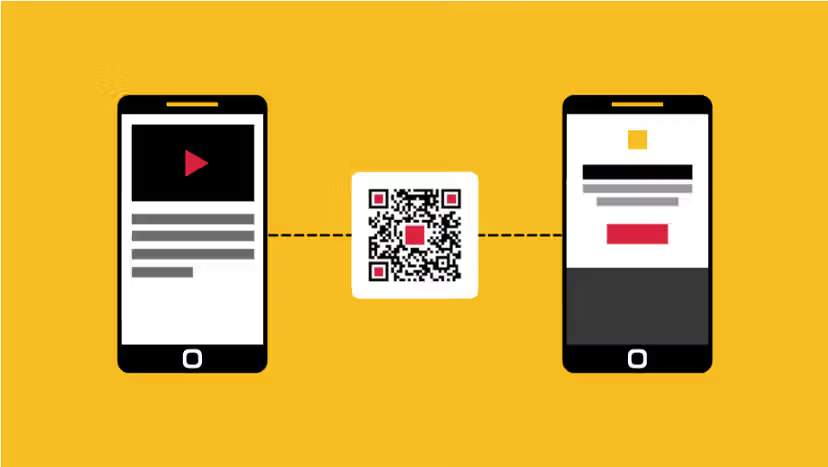
Conversely, a dynamic QR Code stores a short URL in the pattern and redirects to wherever you point it. The pattern stays the same while the redirect updates. This is what makes "no reprinting required" accurate for dynamic codes. The physical QR Code on a business card, flyer, or product label stays exactly as printed. The destination behind it changes in seconds through the dashboard, allowing you to edit QR Code destinations anytime without creating a new one.
What elements of a dynamic QR Code can be edited?
You can modify the following elements at any time without generating a new QR Code pattern.
- Destination URL: swap to any new URL; the printed code redirects immediately
- Landing page content: if the QR Code points to a Uniqode-hosted landing page, all text, images, and links on that page are editable
- UTM parameters: update tracking parameters on the destination URL without reprinting
- Design elements: platforms with live design controls update QR Code styling through the dashboard.
A dynamic QR Code separates the printed pattern from the live destination. That structure allows businesses to change URLs, landing page content, and tracking parameters without having to replace the printed code. Design changes only affect future print files if the materials have already been distributed.
⚡ Pro Tip: Do not edit the short URL field after your QR Code goes to print. Unlike the destination URL, which can be changed freely, the short URL controls the QR Code pattern itself. Changing it regenerates the pattern, and every printed copy will stop working immediately.
How to edit a dynamic QR Code (step-by-step guide)
To edit an existing dynamic QR Code, log in to your QR Code platform, select the code you want to update, change the destination URL or content, and save.
Editing a dynamic QR Code in Uniqode takes three steps.
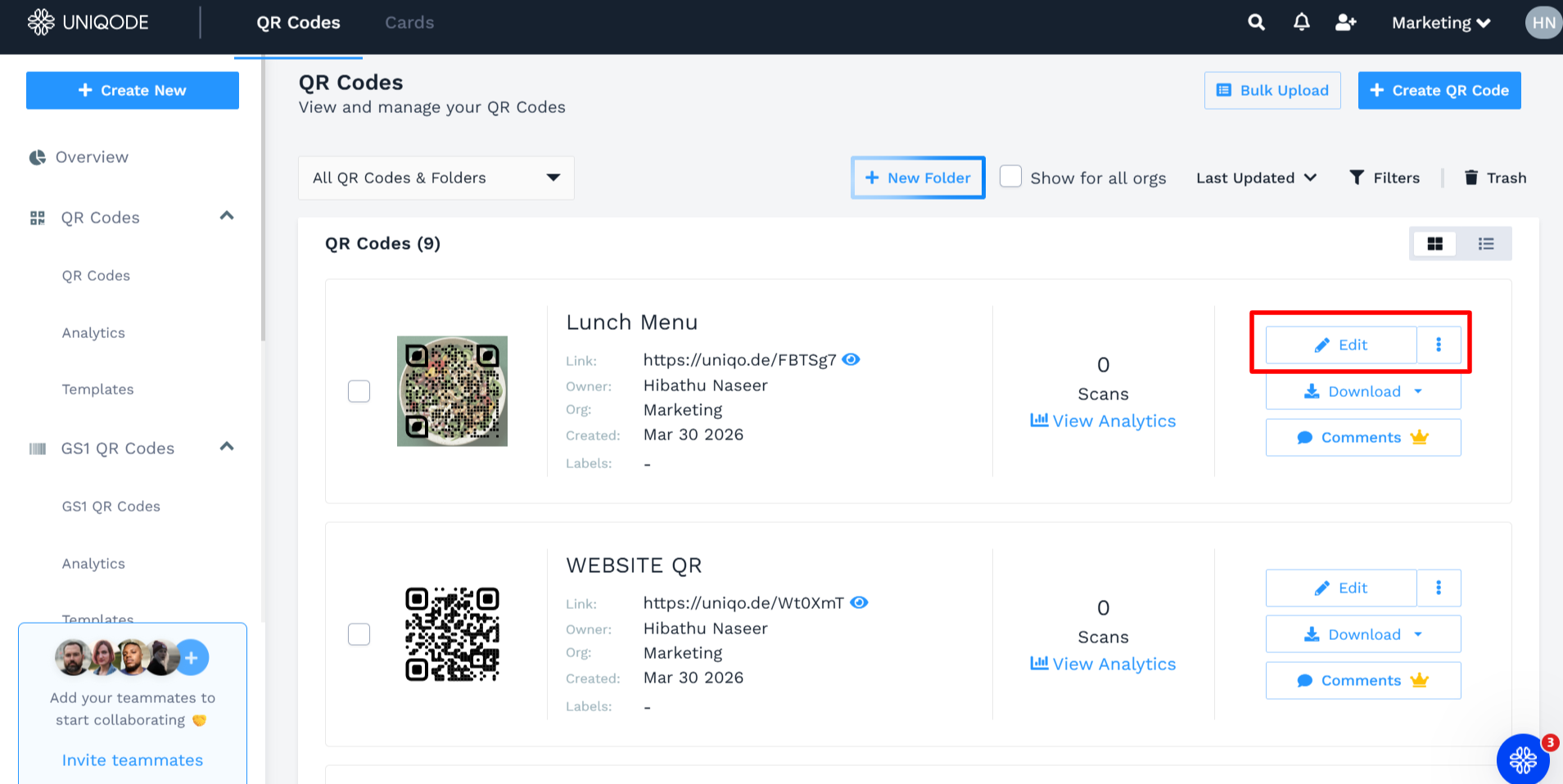
Step 1: Select the QR Code you want to edit on the dashboard
Log in to your Uniqode account. Navigate to the QR Codes list from the left side of the dashboard. You will see all active codes with their names, destination URLs, and current scan counts. Locate the code you want to update. Click Edit.
If you manage multiple campaigns, use the search bar or filters to find the code by name, label, or creation date.
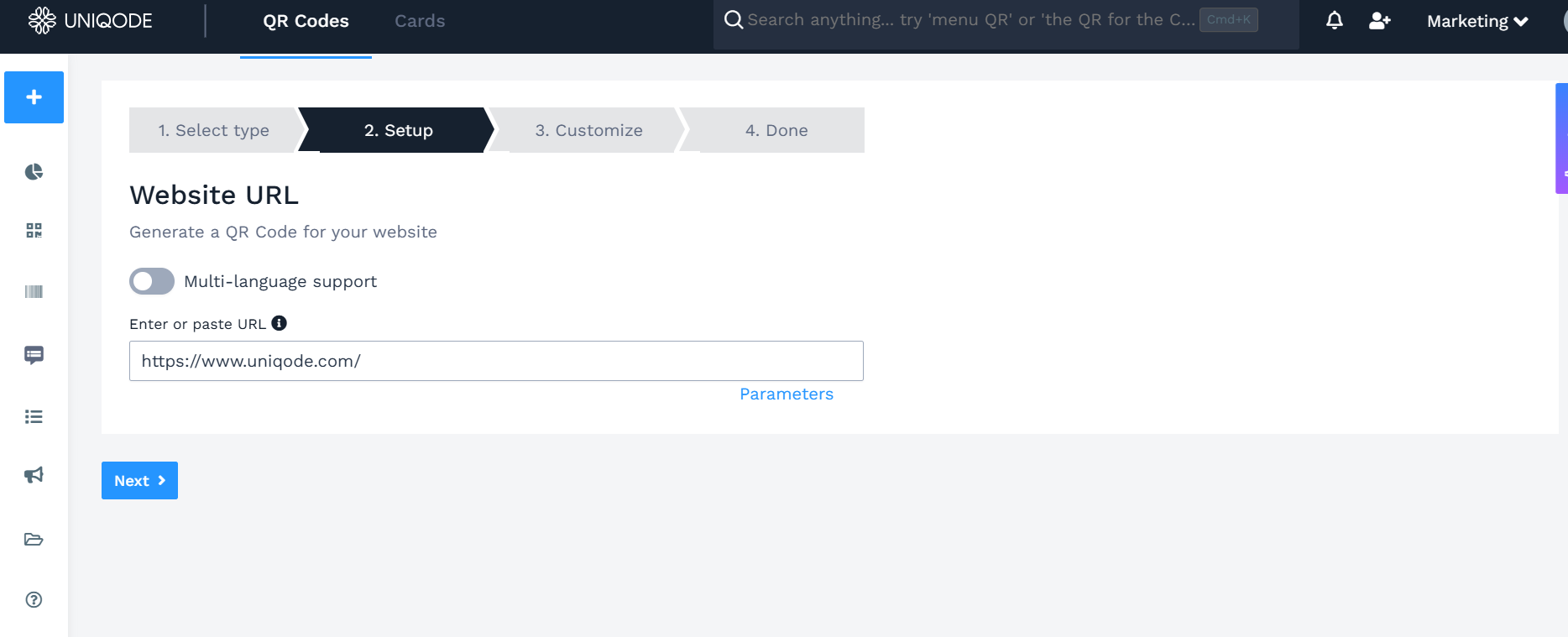
Step 2: Change the QR Code content
Inside the editor, locate the destination URL field. Change the QR Code link to point to the new address. If the QR Code points to a Uniqode-hosted page, open the landing page editor to change text, images, or links.
Step 3: Edit the QR Code’s design
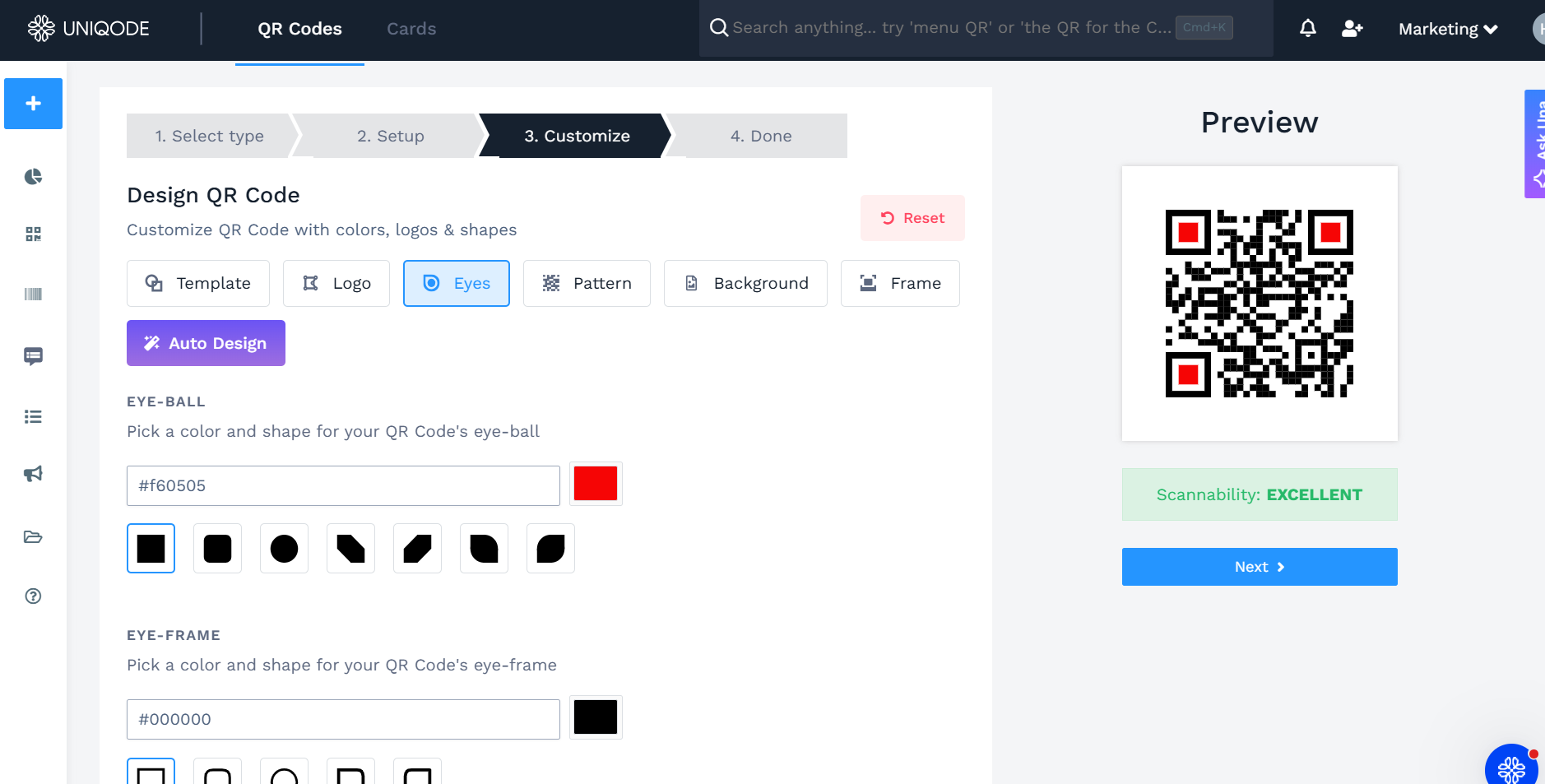
Make design changes if required (color, logo, frame, background, and pattern). You can also change the eye shape and colors.
Step 4: Test and download your QR Code
Click FINISH. The QR Code elements are updated immediately.
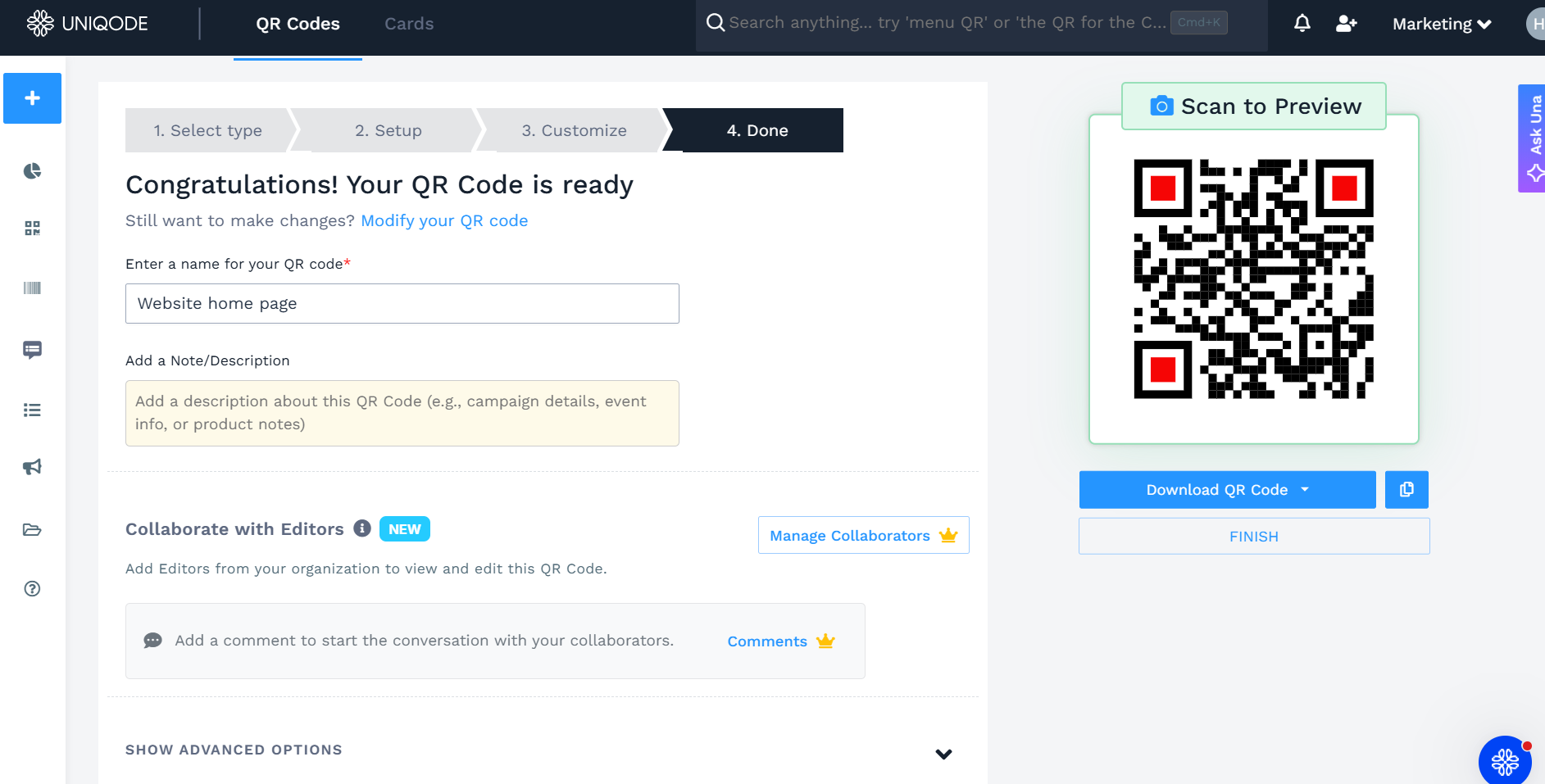
Before closing the editor, use the test function in the dashboard to scan the code from a real device. Test on at least two devices: an iOS device and an Android device. Native camera apps handle QR Code scanning differently, and a destination sometimes fails on one device because the camera app handles redirects differently.
How to bulk edit QR Codes
Bulk editing QR Codes is suited to organizations managing 50+ active QR Codes across multiple locations. Managing that many QR Codes one by one is not practical, especially across multiple locations, a large product catalog, or a seasonal campaign with dozens of active codes. With bulk editing, a retail chain can update store pages from a single spreadsheet, while a manufacturer can replace outdated product links across hundreds of labels in a single workflow.
Dynamic QR Code platforms such as Uniqode support bulk edits through a Google Sheets integration or an automation tool. Instead of updating each code manually in the dashboard, you can push destination changes from a central spreadsheet or trigger updates automatically when something changes in your existing systems, whether that is your CRM, inventory tool, or project management platform.
For teams managing codes across departments or locations, role-based access controls let you decide who can edit which QR Codes, reducing the risk of accidental changes to live campaigns.
→Related: How to bulk edit QR Code
Automate QR Code editing with Smart Rules
Manual editing works for simple campaigns. For QR Codes that need to serve different audiences at different times, Smart Rules remove the manual step entirely.
Smart QR Codes are rule-based dynamic QR Codes that change destinations automatically based on time, location, or scan conditions. Set the rule once and the QR Code manages the redirect on its own.
A seasonal campaign example: a single QR Code on a printed retail display points to a summer promotion in June. In August, time-based Smart QR Codes switched the destination to a back-to-school offer automatically, with no dashboard log in or manual edit required. The printed display stays on the shelf unchanged.
Location-based routing works the same way. A QR Code on packaging distributed across multiple markets routes US scanners to an English-language page and EU scanners to a localized version, without maintaining two separate printed codes.
Smart QR Codes are an advanced form of dynamic editing. The logic runs at the redirect level, not in the dashboard. For campaigns where conditions need to change, Smart Rules are more reliable than manual edits because updates cannot be missed or delayed by a team member who forgot to log in.
How businesses use editable QR Codes
Businesses use editable QR Codes to stay agile, saving time and print costs by updating destinations on the fly rather than replacing codes every time something changes. From retail to healthcare, here’s how teams across industries rely on them to keep physical touchpoints relevant.
- Retail & E-commerce: Swap product page links during seasonal sales or promotions without touching physical packaging.
- Hospitality: Restaurants use menu QR Codes to update menus, hotel amenity guides, or event schedules in real time.
- Marketing and advertising: A/B test landing pages or redirect traffic mid-campaign to maximize conversions.
- Real estate: Keep property listings current on yard signs and brochures as details change.
- Events and conferences: Point attendees to live schedules, speaker bios, or feedback forms that evolve throughout the event.
- Healthcare: Refresh patient intake forms, policy documents, or wayfinding links without reprinting signage, one of many ways QR Codes are used in healthcare.
Edit QR Codes without reprinting
Once your QR Code is live, you’re not locked in. Dynamic QR Codes keep printed materials active by letting businesses change the destination after printing. The same code continues to work even as campaigns, menus, product pages, or event links change in the dashboard. That flexibility reduces reprint costs and preserves scan history in one place.
With dynamic QR Codes removing the need to replace working print assets, the next step is to improve the codes already in circulation. Review every live QR Code that still points to outdated content, then update the highest-traffic codes first this week. Next, move future campaigns to dynamic QR Codes so every printed asset stays editable after launch.
Start a 14-day free trial on Uniqode and manage every QR Code edit from a single dashboard.
Frequently Asked Questions
- Can you edit a static QR Code?
No, you can’t edit a static QR Code. Static QR Codes encode data directly into the pattern. Changing the data requires changing the pattern, which requires generating and printing a new code. Only dynamic QR Codes support post-print editing.
- Does editing a QR Code reset the scan history?
No. Editing a dynamic QR Code (including changing the destination URL) does not reset or delete previous scan data. Analytics are preserved across all edits. A QR Code that has been edited five times still holds the complete scan history from day one.
- Can you edit a Google QR Code?
Google's built-in QR Code tools (Chrome, Google Maps, Google Docs) generate static QR Codes, which cannot be edited after creation. To edit a QR Code after printing, you need a dynamic QR Code from a platform like Uniqode. Use Uniqode's dynamic QR Code generator to create a code you can update without reprinting.
- What happens when you edit a QR Code?
The destination or content updates immediately. No new QR Code pattern is generated, and no reprinting is needed. Scans of existing printed codes automatically redirect to the new destination. If you change the destination of a QR Code, the switch takes effect the moment you save.
- What should I do if my edited QR Code is not working?
There are two things to check. First, confirm the destination URL in your dashboard is correct, and that the page is live. If the code scans but lands on a 404 or blank page, a URL typo is usually the cause. If the code stopped working entirely, check whether the short URL was changed during editing. Changing the short URL breaks every printed copy permanently and requires a reprint.
For scan failures unrelated to the destination, check the print size (minimum 2 cm × 2 cm), the contrast between the code and its background, and the export resolution. Test on a budget Android device before committing to a print run.
- How easy is it to update content behind Uniqode's dynamic QR Codes?
It’s very easy to update dynamic QR Code content on Uniqode. Log in to your Uniqode dashboard, open the QR Code you want to update, change the destination URL or content, and save. The update goes live instantly, no reprinting required. There is no limit to how many times you can edit a code, and each change takes effect the moment you hit save.
- Which QR Code generator is best for editing URLs without reprinting packaging?
You need a dynamic QR Code generator, and Uniqode is built specifically for this use case. Once printed on packaging, a Uniqode QR Code can be redirected to any URL at any time from the dashboard. The printed code never changes, only the destination does. This makes it a practical choice for product packaging, where reprinting is costly and disruptive.
- How to make a QR Code that updates without changing the image
Create a dynamic QR Code through a platform like Uniqode. Dynamic codes use a short URL as an intermediary, so the printed pattern stays the same while the destination can be updated freely. Static QR Code generators encode the destination directly into the pattern, which means any change requires a new code and a reprint.
- Why did my QR Code stop working after I edited it?
The most likely cause is a change to the short URL. If the short URL is modified during editing, every printed copy of that code breaks immediately and permanently, since they all point to the old short URL. Reprinting is the only fix. To avoid this, edit only the destination URL and leave the short URL untouched. If the short URL is unchanged and the code is still not scanning, check the destination page for errors, verify print size and contrast, and test on a secondary device.
- Can a QR Code’s internal link be edited?
Yes, but it depends on the type. Static QR Codes encode data directly into the pattern, so the internal content cannot be changed after the code is generated. As for dynamic QR Codes, the content behind it can be edited as many times as needed.
Related Posts
Best Dynamic QR Code Generators in 2026: 9 Tools Tested and Compared
What Is a Dynamic QR Code? How It Works + Benefits & Use Cases
How to Change a QR Code Destination or Link After Printing
Proving ROI with Dynamic QR Codes: A Framework Marketers Can Take to the C‑Suite