How to Create a Transparent QR Code (and Make Sure It Actually Scans)
Leverage transparent QR Codes that perfectly blend into every design. Increase brand awareness, attract customers, and boost conversions.
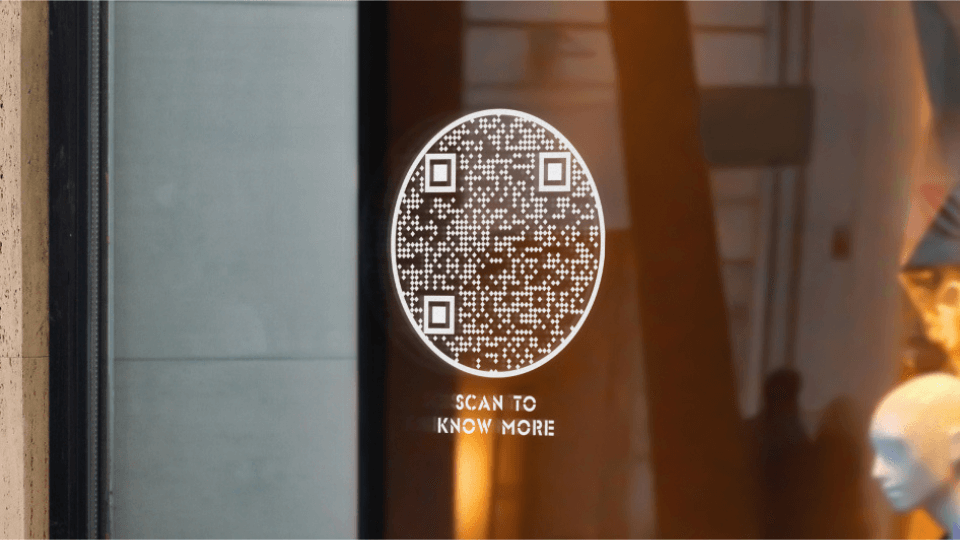
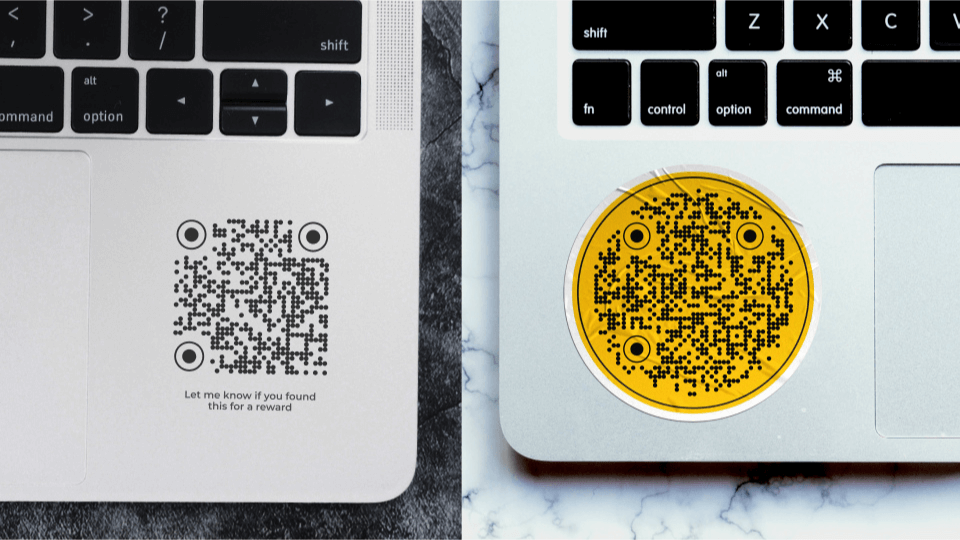
A transparent QR Code has no background color, it blends directly into your packaging, brochures, business cards, and digital designs without breaking the layout, and it stays fully scannable.
Designers run into this constantly: you finalize packaging or a brochure to match brand colors, then the QR Code lands on it as a white square that kills the design. Export the code with a transparent background and it integrates cleanly into posters, labels, menus, social media graphics, or Canva designs with no distracting colored box.
According to Uniqode's State of QR Codes 2026 report, which analyzed more than 188 million scans, 98% of marketers report positive campaign impact from QR Codes, while 71% of consumers say they use them in their daily lives. Since the format already delivers measurable value, a QR Code that clashes with the surrounding design can become a missed opportunity rather than an engagement driver.
This guide walks you through creating a transparent QR code in Uniqode in five steps, shows you which placements drive the most scans, and flags a common mistake that can make transparent QR codes invisible before you ever catch it.
What is a transparent QR Code?
A transparent QR Code has no background color, only the dark modules are visible, with the area around them completely clear. Because it comes as a PNG file, you can place it on any surface without a white or colored box appearing in your design.
Unlike standard QR Codes, which require background adjustments every time you move them to a new design, transparent QR Codes adapt to any surface without additional formatting.
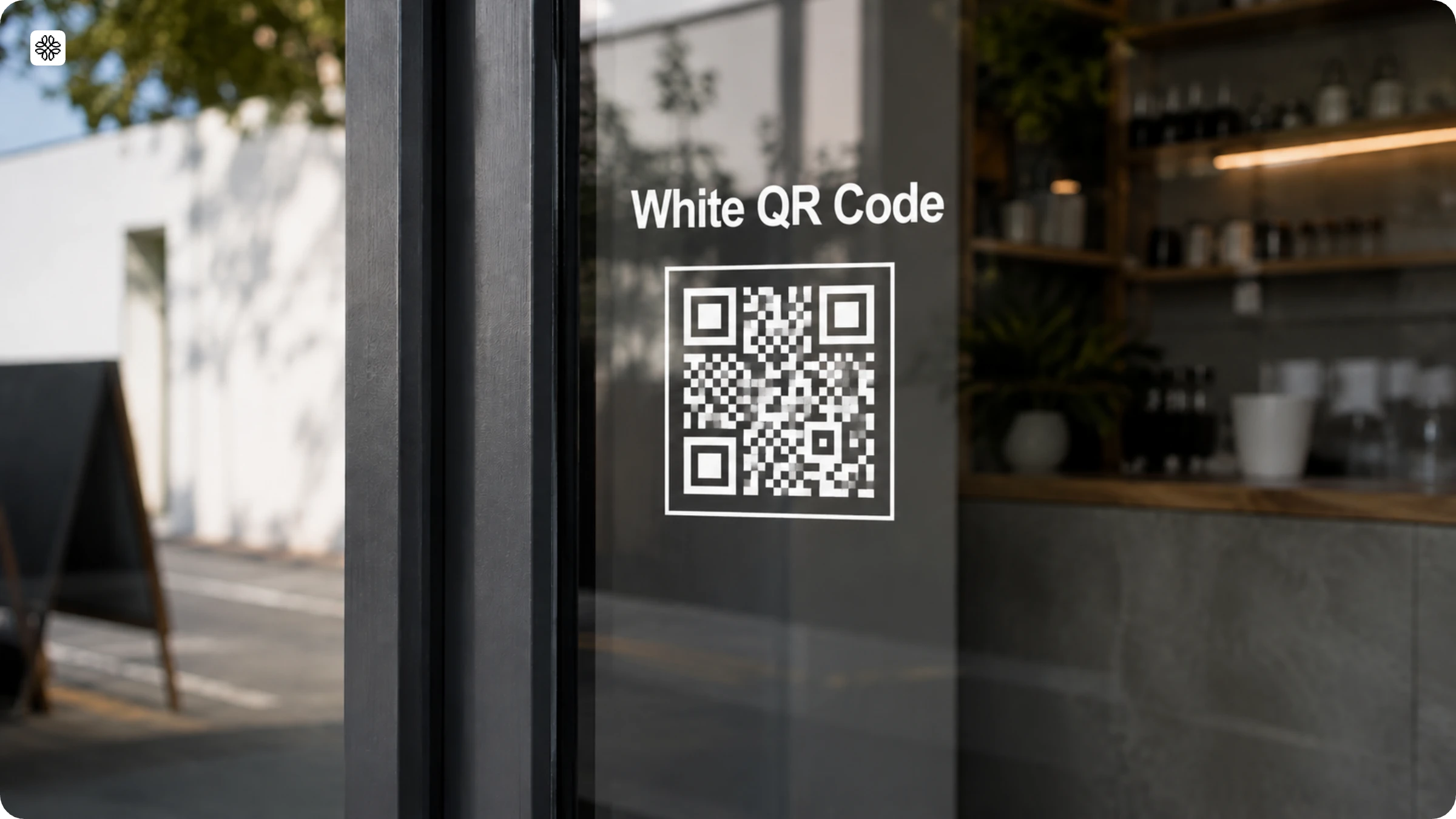
A transparent QR Code (no background) is different from a white QR Code, which uses white-colored modules on a dark background. These are two different customizations for different design contexts.
The benefits go beyond aesthetics. When you integrate a code into your brand design, you signal investment and reduce hesitation to scan, which means good design integration drives both scan intent and visual consistency.
How to create a transparent QR Code in 5 steps
Creating a transparent QR Code in Uniqode takes under 5 minutes. Follow these steps:
Step 1: Log in to Uniqode’s dashboard
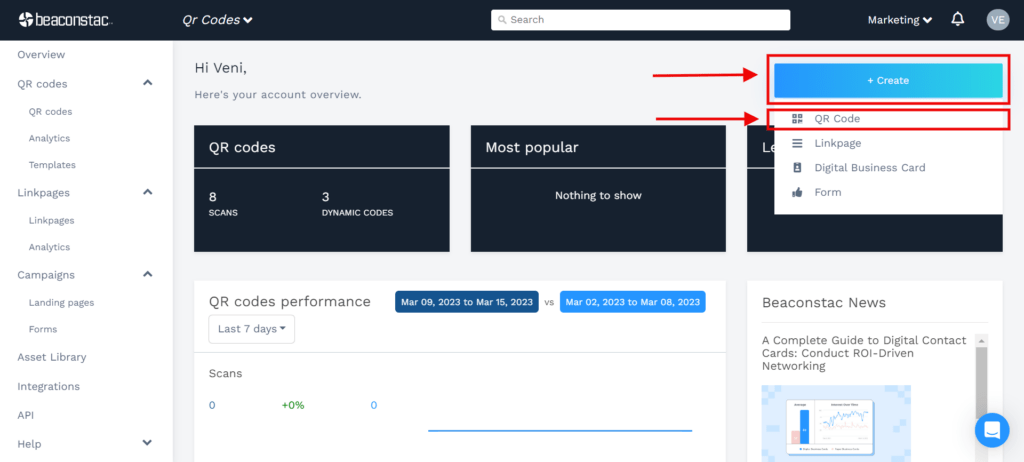
Sign in to your account or start a free 14-day trial. Click "+Create New" and select QR Code.
Step 2: Select the type of QR Code you want to generate
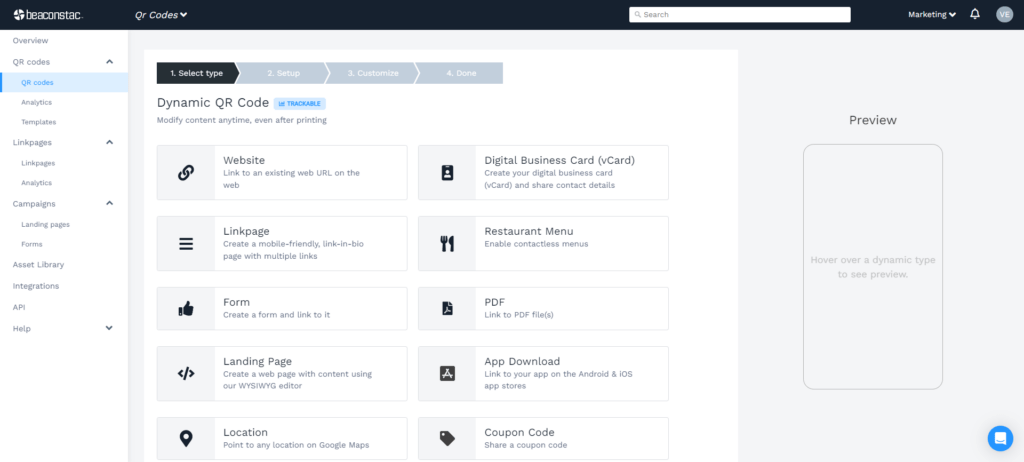
Choose the QR Code type that fits your campaign: Website URL, PDF, App download, Linkpage, or one of the other destination types available in Uniqode's QR Code generator.
Step 3: Setup the QR Code
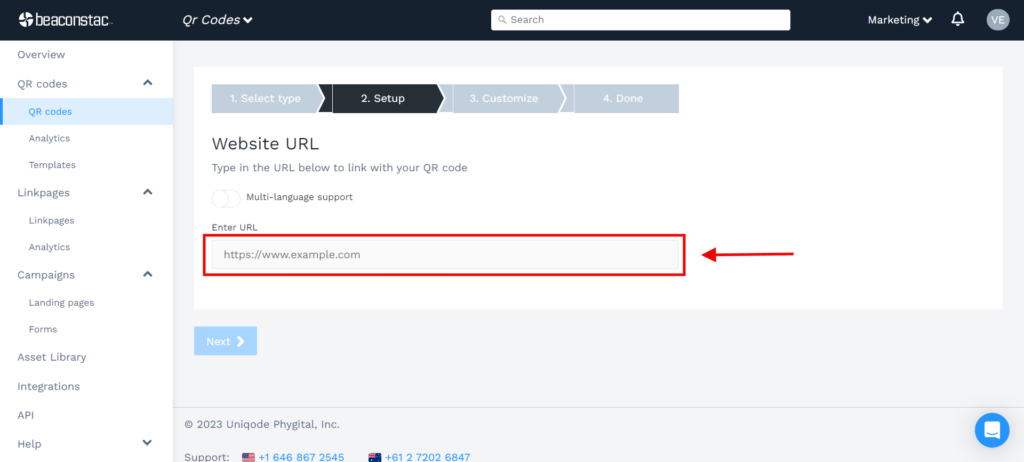
Add the destination: the URL, app download link, or landing page the QR Code leads to. For a URL-based code, paste the destination link in the Website field.
Step 4: Customize the design of the QR Code
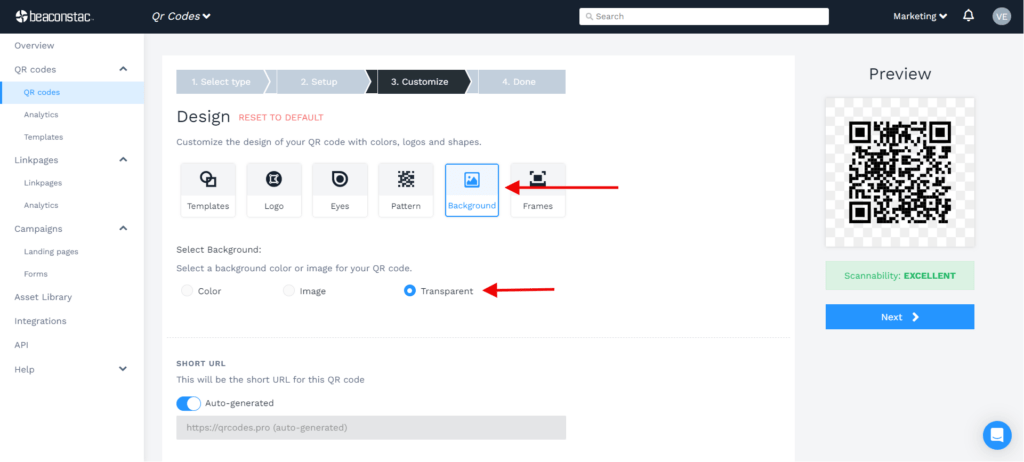
Open the Design panel. Here you set module color, pixel pattern, eye shape, and upload a logo. Customize all design elements first. When your visual choices are complete, click "Background" and select "Transparent." Your module color, pattern, and logo carry over; choosing transparent does not reset the other design settings.
If you plan to use this QR Code on print materials, select the dynamic QR Code option during type selection. Dynamic codes allow you to update the destination URL after printing. The QR Code remains unchanged on your packaging or poster, while you can update its destination through the Uniqode dashboard. This enables a single print run with the flexibility to change destinations as needed.
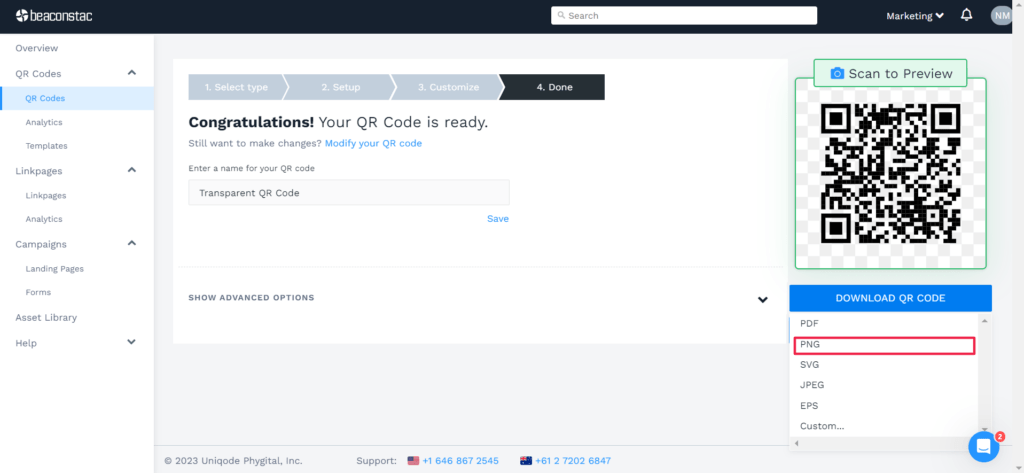
Step 5: Your transparent (PNG) QR Code is now ready
Click Download and select PNG format. PNG is the only image format that preserves transparent backgrounds: PNG encodes the transparency in the file structure. Your transparent QR Code is ready to drop into any design layout.
If you created a dynamic QR Code, you can update the destination URL at any time from the Uniqode dashboard. The printed code continues working; only the destination changes.
What is the advantage of a QR Code without background?
Designers, ad agency executives, and anyone in the design field can immensely benefit from transparent QR Codes. Besides the flexibility that they offer, here are some major advantages of generating a QR Code with no background:
1. Easy to customize and boost branding
A report shows that creative teams spend roughly 5-10 hours every week on mundane edit requests. This data shows that editing the QR Code background each time could be cumbersome and a waste of time for marketers and designers alike.
With a transparent QR Code generator, designers can easily customize the QR Code with brand elements like logo, color, shape, etc.
Moreover, if the Guinness example tells us anything, transparent QR Codes can enable agencies and brands to think outside the box and leverage design for innovative campaigns.
2. Edit the QR Code anytime, anywhere
Let’s say you’ve created beautiful tent cards for every table in your restaurant and it includes a transparent QR Code. Scan the QR Code and access the menu: simple enough for users to understand.
But what if you need to change the menu for the day? Mention specials or change the price of a particular dish?
Dynamic QR Codes come in handy in such situations. You can easily edit a dynamic QR Code anywhere and anytime, unlike the static (free) QR Code.
You can modify the QR Code destination without worrying about redesigning them. You don’t lose out on any data and need not create a brand new QR Code every time.
3. Integrate with design tools like Canva
The true power of a transparent QR Code image comes into play when it is matched with multiple other tools through valuable integrations.
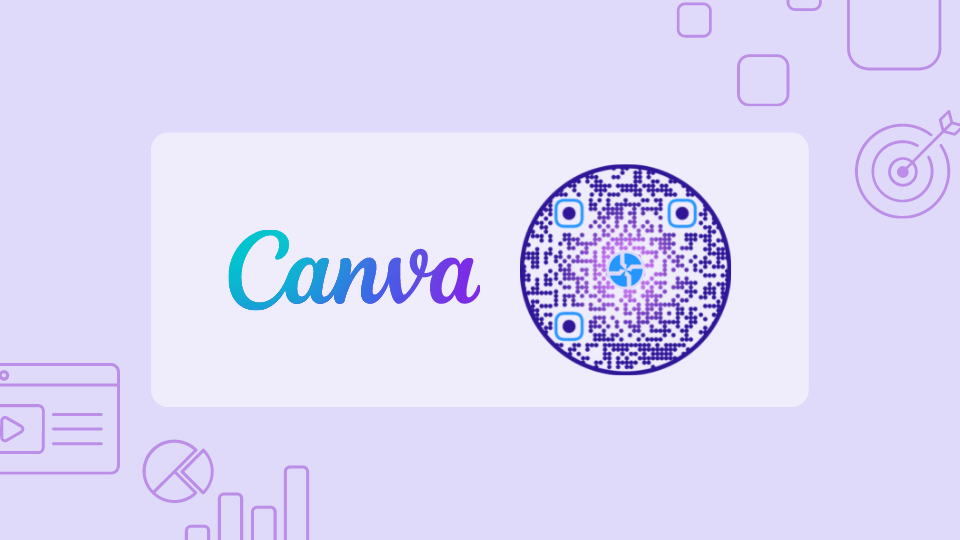
Uniqode’s QR Code generator has an integration with Canva, which can be a game changer for marketers and make their work easier.
With 85% of Fortune 500 companies using Canva today, this integration is a valuable one for marketers all over the world. This simple integration allows you to add transparent QR Codes to your Canva designs easily.
4. Generate transparent QR Codes in bulk
Big marketing campaigns require bulk QR Code generation and not every platform can facilitate this.
Uniqode’s bulk QR Code generator makes this easy – creating and managing QR Codes end-to-end.
You could send out bulk invites for an event using QR Codes or print them on product packaging – all of these and more are ways to use QR Codes with transparent background.
Where transparent QR codes make the biggest impact
Transparent QR Codes are effective when integrated thoughtfully into design, ensuring they attract attention. Four primary use cases deliver the most measurable results.
1. Product packaging and labels
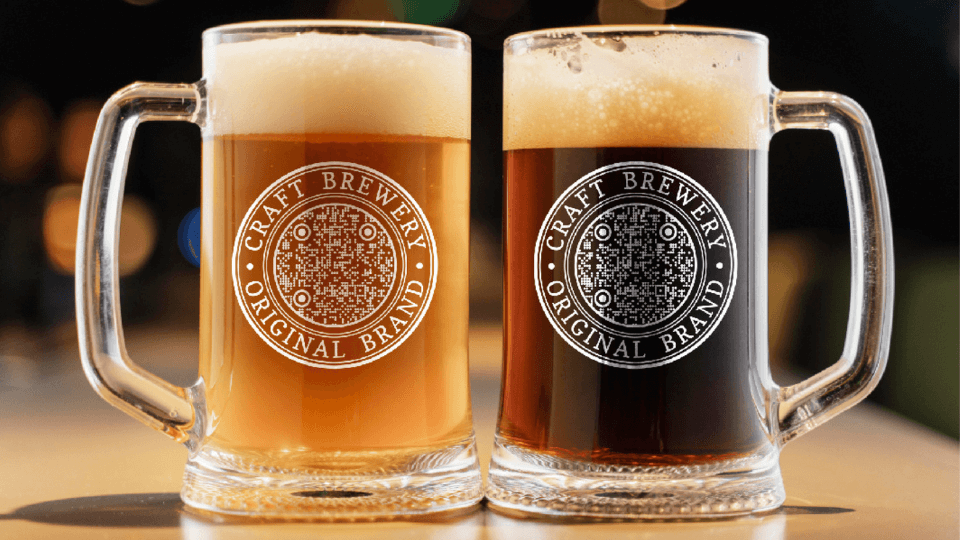
Product packaging design uses every available inch intentionally. A QR code in a white box competes with your label artwork, while a transparent code disappears into the design and lets the product speak for itself. This matters more than ever as connected packaging continues to grow: Appetite Creative's 2024 Connected Packaging Survey found that 88% of respondents planned a connected packaging campaign in 2024, and 96% expected to increase digital marketing spending, up from just 59% in 2022.
2. TV and broadcast advertising
A QR Code in a TV commercial has seconds to capture attention and it needs to integrate with the creative, not stick out as an afterthought. When Flipkart embedded branded QR Codes directly into their commercials, they generated over 2,000,000 scans and reached 536,000 unique users. That result didn't happen by accident; designing the code as a natural part of the broadcast creative is what made the difference.
3. Print marketing: brochures, billboards, event signage
Print campaigns depend on consistent visual hierarchies and deliberate color palettes, and a white QR Code box disrupts both. A transparent code overlays any surface without introducing a competing element, keeping the design intact exactly as you intended. For multi-channel campaigns, that transparent background also removes the need to adjust the code across different print formats, saving time without sacrificing consistency.
4. Branded merchandise and non-standard surfaces
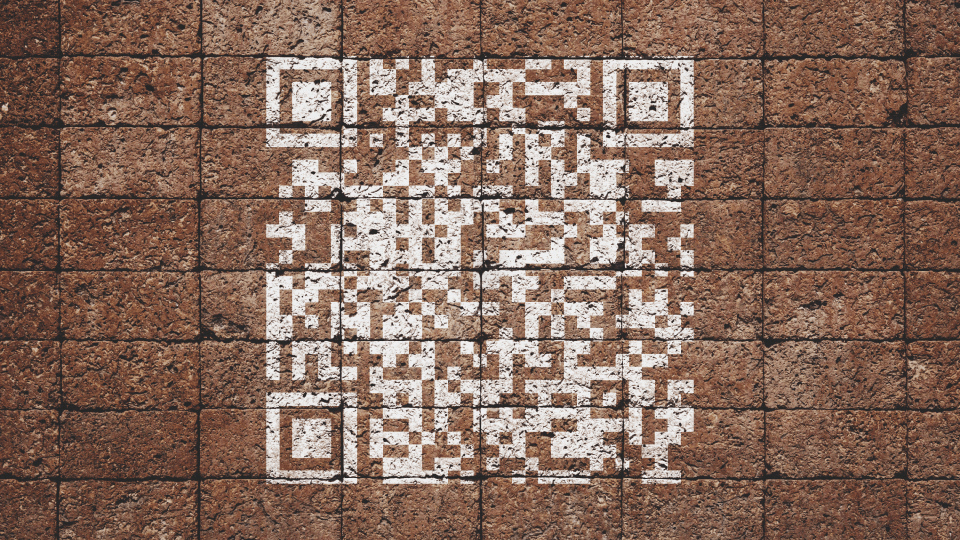
Apparel, promotional packaging, and co-branded materials come in every surface color imaginable. Standard QR Codes need a white backing on dark or patterned surfaces while transparent QR Codes don't, because the module color alone provides the necessary contrast without any background box.
The same advantage carries over to digital workflows. Transparent QR Codes drop into Canva designs as clean image layers with no background conflicts, making them the preferred format for designers managing codes across multiple campaign assets. For the full integration process, refer to the guide on adding a QR Code to a Canva design.
Why transparent QR codes fail, and how to prevent it
Transparent QR Codes fail silently. The code is technically valid, the campaign runs, and nobody scans. There is no error message. The QR Code just stops producing scans, and you find out weeks later when analytics show flat activity on a live campaign.
Here is why it happens.
QR Code scanners detect contrast between dark modules and a lighter surrounding area. A standard QR Code provides that contrast automatically through its white background. A transparent QR Code provides no background at all, so contrast depends entirely on whatever surface the code sits on. Place a transparent QR Code on cream packaging, a light-wood product insert, or white fabric, and the dark modules disappear into the surface. The scanner cannot distinguish the code from the background. Scanning fails.
The fix: treat contrast as a design requirement, not an afterthought.
When your design surface is light-colored, you have two options:
- Change the module color to your darkest brand color instead of defaulting to black. In Uniqode's Design panel, you set module color independently. A deep navy, charcoal, or forest green maintains brand identity and provides the contrast a light surface needs.
- Reposition the QR Code within the layout onto a section with a darker or more saturated background. The transparent code then gets the contrast it needs from the design itself rather than from a background box.
Contrast determines scannability - not the code itself. Same QR Code, two outcomes.
Test before you print. Test the QR Code by scanning on both an iPhone and Android device before sending files to the printer. What scans cleanly on screen may not scan on the actual printed material, particularly on matte finishes and laminates that shift the perceived contrast.
Placement and instruction also matter. Place the code prominently along the natural customer journey, not tucked in a corner. A survey QR Code makes sense at the end of a retail experience, not the entry point. Adding a brief instruction ("Scan with your phone camera") near the code increases scan rates. Users who know how QR Codes work still act faster when prompted.
Why Uniqode is the right transparent QR Code generator
Most tools that support transparent backgrounds only give you a static PNG. Uniqode goes further with dynamic transparent QR Codes that open up new possibilities for print campaigns.
Dynamic + transparent: the combination that matters
Print campaigns hit a wall when you can't update a QR Code after it's already printed. Uniqode's dynamic QR Codes remove that constraint. By changing the destination URL in the Uniqode dashboard, every printed code gets redirected instantly. Print 10,000 boxes linked to your launch page, then switch the destination to your evergreen product page in seconds when the campaign ends. No reprints, no waste, no problem. The same flexibility applies to seasonal promotions, new menus, or any evolving campaign need.
The design payoff is just as significant. Branded QR Codes with transparent, design-integrated backgrounds drive substantially higher engagement than standard codes. BBQGuys saw a 1,925% increase in engagement after switching to branded QR Codes in their campaigns.
Enterprise compliance
Uniqode holds SOC 2 Type II, GDPR, HIPAA, and ISO 27001 certifications. For enterprise brands deploying QR Codes at scale, Uniqode’s security stack protects analytics, location data, and user behavior, meeting the requirements of legal and compliance teams. For brands such as Maesa using QR Codes on product packaging, this level of security is essential. Free PNG tools do not offer SOC 2 Type II or HIPAA compliance.
According to the State of QR Codes 2026, 60% of marketers plan to increase QR Code usage this year. Brands scaling at this level require a comprehensive platform rather than simple file exports.
Canva integration and bulk creation
Uniqode’s transparent PNG integrates seamlessly into any Canva QR Code design as an image layer, without a white box or background issues. For large campaigns, Uniqode’s bulk QR Code generator produces hundreds of unique transparent QR Codes from a single CSV upload.
QR Code analytics
Every dynamic transparent QR Code includes QR Code tracking: total scans, unique scanners, geographic breakdown, device type, and time-of-scan data. Print campaigns become measurable campaigns.
Frequently Asked Questions
- What file format do I need to download a QR code with transparent background?
You must download your QR code in PNG format to preserve the transparent background. PNG (Portable Network Graphics) is the only image format that supports transparency layers, allowing the QR code to blend seamlessly into any design or colored background without a white box around it.
- How long does it take to create a transparent QR code?
Creating a transparent QR code takes approximately 5 minutes using a dedicated QR code generator. The process involves 5 simple steps: logging into your dashboard, selecting your campaign type, adding your URL, customizing the design with the transparent background option, and downloading in PNG format.
- What is the best QR code generator for creating transparent background codes?
Uniqode's QR code generator offers a dedicated transparent background option that allows you to create PNG QR codes with no background in under 5 minutes. The platform includes full customization features like logo addition, color selection, pattern adjustment, and frame options, while offering a 14-day free trial to test transparent QR code functionality before committing.
- Do transparent QR codes work on print materials like billboards and brochures?
Yes, transparent QR codes are specifically designed for print materials including brochures, offline ads, large billboards, and other print media. Since each print collateral has unique colors, designs, and sizes, transparent QR codes eliminate the need to manually adjust background colors for every piece, making it significantly easier to scale marketing campaigns across multiple channels.
- Can a QR Code be transparent?
Yes, a QR Code can be transparent. Transparent QR Codes, also known as PNG QR Code, are not only aesthetically pleasing, but they are also more useful than normal QR Codes. That’s because designers don’t have to constantly waste time and effort in customizing the QR Code background for different print and online collaterals.
- Do transparent QR Codes work on print materials?
Yes. Transparent QR Codes work on brochures, billboards, product packaging, and any other print format. The transparent background means you don't adjust the QR Code for each piece of collateral: the code adapts to the surface. For large print campaigns, download once and drop into every layout.
- Can I create a transparent QR Code for free?
Uniqode offers a 14-day free trial that includes transparent QR Code creation. After the trial, transparent PNG downloads require a paid plan. Free tools exist and most generate a static transparent PNG. What free tools typically exclude: dynamic destination editing (the ability to change where the code points after printing), scan analytics, and enterprise compliance certifications (SOC 2 Type II, HIPAA).
- How do I make a transparent QR Code in Canva?
Create your transparent QR Code in Uniqode and download it as a PNG. Upload it to your Canva project as an image layer. Because it is a transparent PNG, it sits on any Canva background without a white box. Uniqode also integrates directly with Canva for a streamlined workflow. See how to create a Canva QR code for the full setup.
- Can you create a QR code with a transparent background?
Yes. You can create a QR code with a transparent background instead of the default white box. Transparent QR codes remove the solid background and allow the code to blend into packaging, websites, posters, and branded designs. To keep the code scannable, maintain strong contrast between the QR code pattern and the surface behind it and preserve the required quiet zone around the code.
- What's the difference between a transparent QR code and a white QR code?
A transparent QR code removes the background behind the code, allowing the underlying design or color to show through. A white QR code changes the color of the QR code modules themselves to white and usually requires a dark background for reliable scanning. These are different customizations and serve different design purposes. A transparent QR code can have black, colored, or white modules depending on the background and branding requirements.
- Can transparent QR codes be scanned reliably?
Yes. Transparent QR codes scan just as reliably as standard QR codes when they follow QR code design best practices. Use high contrast between the QR code and the background, avoid busy patterns behind the code, preserve the quiet zone, and test the QR code across multiple devices before printing or publishing. Dynamic QR codes also allow you to update the destination without changing the design.
- Can I make an existing QR code transparent?
Yes. You can remove the white background from an existing QR code by exporting it with transparency or regenerating it with a transparent background setting. Most QR code generators support transparent PNG and SVG formats, making it easy to place QR codes on product packaging, marketing materials, websites, and business cards without disrupting the design.
- Why isn't my transparent QR code scanning?
Transparent QR codes may fail to scan when the background reduces contrast, the quiet zone is missing, the code is printed too small, or excessive customization interferes with the pattern. Avoid placing transparent QR codes over complex images or textures and always test them under real-world conditions before deploying them on packaging or marketing materials.
- Can I place a transparent QR code over an image?
Yes, but the image behind the QR code should not interfere with visibility. Transparent QR codes work best when placed over simple backgrounds or areas with consistent colors. Highly detailed images, gradients, or patterns can reduce contrast and make scanning difficult. Adding a light overlay or increasing error correction can improve readability while preserving the design.
- Can transparent QR codes include a logo?
Yes. Transparent QR codes can include logos while maintaining scanability. Most QR code generators use error correction to compensate for the area occupied by the logo. For best results, keep the logo size proportional to the QR code and test the design on multiple devices before publishing or printing.
- Can I print a transparent QR code on product packaging?
Yes. Transparent QR codes are widely used on product packaging because they integrate naturally with labels and branding elements. Exporting the QR code in SVG format ensures crisp printing at any size. Transparent QR codes are commonly used for connected packaging, product authentication, traceability, promotions, and customer engagement campaigns.
- Are transparent QR codes better for branding?
Yes. Transparent QR codes help brands maintain visual consistency by integrating QR codes into existing artwork instead of adding a visible white box. They create a cleaner design, improve packaging aesthetics, and make QR codes feel like part of the brand experience while still delivering the same functionality as standard QR codes.
About the Author
Ektha is a QR code expert with years of research and analysis into the evolution of QR codes. Having written over 70 in-depth articles on QR technology, she has developed a comprehensive understanding of how QR codes are transforming industries. Her insights, including The State of QR Report, have been featured in leading publications. With a passion for simplifying complex topics and providing actionable strategies, Ektha helps businesses leverage QR codes to enhance their 'phygital' connections.