Connected Packaging: How QR Codes Turn Every Pack into a Growth Channel
If your packaging still sits quietly on a shelf, you’re leaving a predictable, measurable growth channel on the table. Practical things like dynamic QR Codes and rule-driven redirects turn every product into a trackable entry point for signups, loyalty, education and repeat purchases. Read on for a concise, tactical framework […]
If your packaging still sits quietly on a shelf, you’re leaving a predictable, measurable growth channel on the table.
Practical things like dynamic QR Codes and rule-driven redirects turn every product into a trackable entry point for signups, loyalty, education and repeat purchases.
Read on for a concise, tactical framework you can use to prove ROI, cut reprint cycles, and capture consented first-party data without adding headcount. I’m drawing on real brand plays and learnings from Uniqode’s enterprise and mid-market customers, so you’ll get both strategic reasoning and clear next steps you can brief your CMO on this quarter.
What is connected packaging and how it works
Connected packaging is physical packaging that links customers to digital experiences. This is usually through QR Codes, NFC tags, or scannable markers.
Connected packaging transforms product labels into two-way communication channels using QR Codes. The QR Code itself is a simple technology. The transformation happens when companies realize packaging can now collect data, update content dynamically, and measure engagement—things that were impossible with static labels or static QR Codes.
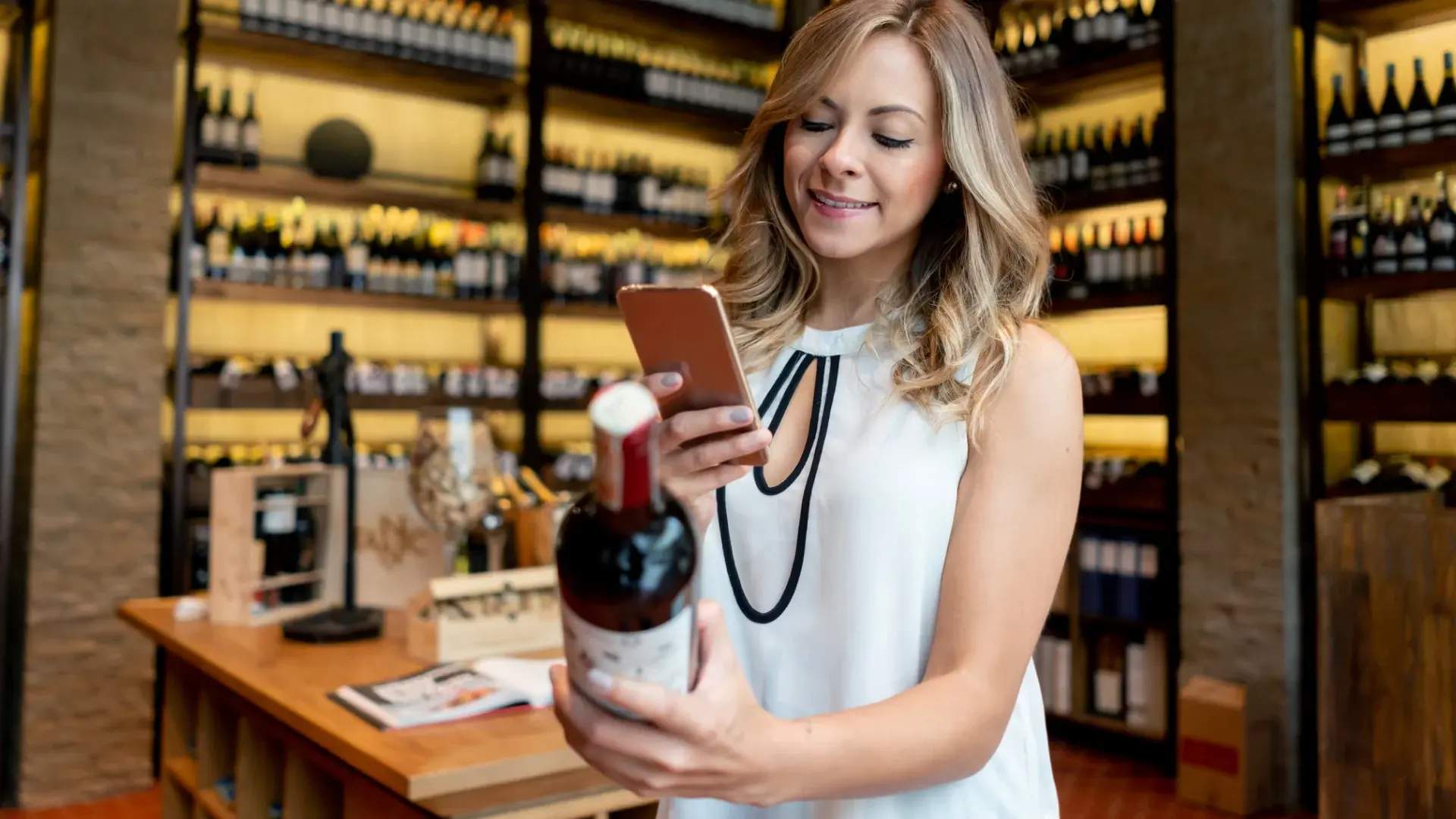
Instead of being a static label, the package becomes a marketing channel that can educate buyers, collect first-party data, run seasonal campaigns, verify authenticity, or drive loyalty signups.
Here’s what customers are using packaging QR Codes for:
- A Global Retail Corporation couldn’t fit multilingual installation instructions on their plumbing products sold through their retail stores. One QR Code now delivers instructions in any language, plus warranty info and spec sheets.
- A beverage innovation company in the United States tracks where customers buy their beverages and retargets them with seasonal promotions.
- A pharmaceutical company in Lebanon uses serialized QR codes to fight counterfeits.
In short: Connected packaging turns every bottle, box, or pouch into a measurable touchpoint in your marketing funnel.
How connected packaging works:
Connected packaging works through a three-part flow:
1. A scannable trigger on the package (usually a QR Code)
- Brands print a QR Code on the product’s label or box.
- The QR Code can be dynamic, meaning the destination can change anytime without reprinting.
- A message beside the QR Code explains why the customer should scan (reward, recipe, tutorial, loyalty points, authenticity check, etc.)
2. A mobile landing experience
When the customer scans, they’re taken to a mobile-friendly page that delivers a specific action, such as:
- Join the loyalty program
- Watch a how-to video
- Claim a discount
- Verify the product
- View nutritional info
- Register for warranty
- Leave a review
This experience becomes an extension of your brand — and a direct digital entry point to your CRM.
3. Analytics and optimization
Every scan generates measurable data, giving marketers a new layer of insight that static packaging can’t offer.
Typical KPIs brands track:
- Scan rate (scans / units sold or distributed)
- CTR after scan (how many tapped the primary CTA on the landing page)
Conversion metrics
- loyalty signups
- coupons claimed
- reviews submitted
- registrations completed
- Conversion lift from running A/B tests on landing pages
- Repeat purchase rate for users acquired through packaging
- Engagement by SKU, region, and time-of-day
With this data, marketers can:
- A/B test offers
- Run different seasonal campaigns on the same printed QR
- Retarget users who scanned (with consent)
- Calculate the ROI of packaging as a marketing channel
3-step measurement plan (so you can brief the board)
Here are formulas marketing directors can use to brief the CFO/board on the benefits of connected packaging.
Baseline and scan rate: Baseline = units distributed (or sold) this period. Scan rate = scans / units. Target = 1–3% for mass grocery SKUs; 3–10% for premium/limited SKUs.
Conversion and revenue per scan: Conversion = purchases or signups from landing page. Revenue per scan = total attributable revenue / scans. Multiply by incremental conversion lift to show LTV impact.
Incremental lift test: Run a regional split (test vs control): Incremental lift (%) = (sales_test − sales_control) / sales_control. Tie scanned users to downstream purchases in GA4 to show incremental LTV.
9 ways you brand can make use of connected packaging
Connected packaging makes packaging a direct, controllable marketing channel — and for marketing leaders, that means less firefighting, clearer ROI, and faster growth loops. Below are the benefits framed around how your day-to-day gets easier and where Uniqode plugs in as a strategic solution.
Prove owned-channel revenue from packaging
Packaging stops being a sunk cost and becomes a tracked acquisition and engagement touchpoint.
You move from vague “brand lift” conversations to concrete numbers you can report to the C-suite — scans, conversion rate, new contacts, revenue per scan. That turns packaging from an opinion-led expense into a line item with predictable ROI.
- Connected packaging gives you clean attribution from:
- Scan → CTA → purchase
- Scan → email/SMS opt-in → repeat purchases
- Retailer → region → SKU performance
Because every event lands in GA4, Salesforce, or your CDP, you can show:
- Percentage of revenue from owned channels
- Incremental revenue from pack-driven campaigns
- Lift vs. control markets
- Reduction in retail-media dependency
This turns your packaging into a predictable, board-ready owned channel. You get to position your marketing efforts as more than just a brand expense.
Read more on how you can prove marketing ROI with QR Codes.
With Uniqode, you can centralise scan events, landing metrics and attribution into one dashboard.
Privacy-first data collection
With cookie loss and tightening privacy, first-party channels matter more than ever. Packaging becomes a consented source of customer signals.
Instead of cobbling together messy datasets, you get clean, consented contacts that feed your CRM and activation pipelines.
Reduce reprint costs and operational risks
How many times have packaging timelines delayed tests? Reprinting for every campaign or regulatory change is expensive and slow. Connected packaging lets you update messaging centrally.
This means fewer last-minute budget approvals, less stressed ops, and a single source of truth for content changes — useful for promotions, regulatory updates or recalls.
Personalize and localize at scale
The same product can speak differently to different markets, retailers or customer segments. Connected packaging enables this without separate SKUs.
You can run targeted messaging by region, language or retailer from one print. This means you get higher relevance and better conversion without catalogue bloat.
⚡Pro tip: If you need a quick regional win, use Smart Rules to change offers by market in 48 hours, not 48 weeks. Every scan can dynamically route to a different experience based on geography, language, device type, retailer, time of day, or campaign context.
Turn every pack into a refill and subscription trigger
Refill flows can live behind QR Code flows. This will bring you more refills and subscriptions, protecting the contribution margin.
Connected packaging lets you place a single QR on every SKU that automatically routes customers to:
- Buy-again links
- Refill bundles
- Subscription sign-ups
- Higher-margin variants
Because the QR can fire exactly when the product runs out, it lifts repeat rate and LTV without spending another dollar on acquisition or retail media.
You get contribution margin flowing straight back to the business. All this without creative cycles or channel tax.
Unit economics are life-or-death. Every repeat purchase must come directly to the brand, not the retailer. One QR tap is the fastest path to owned, profitable reorders.
Check out this blog to know more about how you can use QR Codes effectively on product packaging.
Real-time updates
Connected packaging gives you the freedom to change what a customer sees at any moment, even after millions of units are already on the shelf.
You can swap destinations, refresh offers, localize content, or launch entirely new experiences instantly — all without touching the print. This agility lets your team test messaging, fix broken links, respond to market moments, manage recalls, or run limited-time drops in hours instead of months.
It’s the kind of operational speed that turns packaging into a living, always-on marketing asset rather than a static cost.
Run profitable marketing campaigns
When your packaging is connected, especially with QR Codes, creativity becomes unlimited. You can run all kinds of campaigns for your brand using packaging as the major touchpoint.
Drive sales, increase brand awareness, get loyal customers, and repeat sales. Here are some campaigns you can run with connected packaging:
- Loyalty programs
- Branding initiatives
- Seasonal and holiday promotions
- Discount campaigns
- Grow your social media following
- User Generated Content (UGC)
- Influencer marketing campaigns
The best part? It costs way less than traditional media. With retail media taking 30–40% of margin, how do you grow without spending more? Connected packaging increases repeat rate and LTV without extra acquisition spend.
Here’s an article on how you can run seasonal marketing campaigns with QR Codes.
Cut campaign time and creative fiction
Marketers often wait for new print runs or creative approvals to launch seasonal offers. Connected packaging removes that bottleneck.
Launch or change a campaign without reprints. You can run a promo, fix messaging, or swap creative in minutes rather than weeks. Fewer production cycles means fewer approvals, fewer budget surprises, and faster learning.
Offer more information on the packaging
Today’s ever-aware consumers require more details about the products they buy. DOn’t let the limited packaging space stop you from catering to their needs.
Use packaging to connect customers with what they need. Here’s what brands can use a QR Code to give more details on:
- Setup instructions
- Recipes and product details
- Allergen and ingredient details
- Warranty details
- Sourcing
Bridge the offline and online
Smart packaging finally solves a long-standing marketing gap: proving how physical products drive digital engagement and vice versa. You can also connect your online marketing efforts to your brick-and-mortar retail business.
When a customer scans a QR Code on a pack, you instantly link an offline moment — picking up a product, seeing it on a shelf, trying it at home — to measurable online actions like signups, redemptions, reviews or purchases. This bridges the attribution gap that most retail brands struggle with, giving you clear visibility into how packaging influences digital behavior and how digital campaigns drive store-level lift.
With Uniqode, every scan is tagged, tracked and attributed, so you get the end-to-end journey in one place. No manual merging of campaign data or CRM signals.
Examples of brands that get connected packaging right
Here are brands that use their packaging to create connected experiences for their customers.
1. Monster Energy partnered with Call of Duty
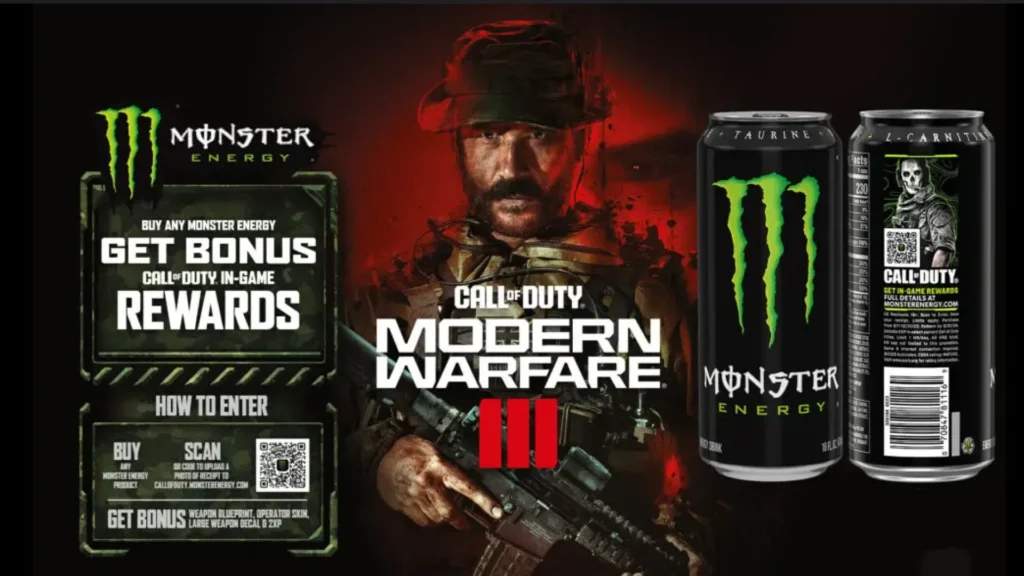
A strong example of connected packaging in action is Monster Energy’s limited-edition Call of Duty cans.
Each can featured a QR code that unlocked 10 minutes of double XP when scanned, giving gamers a clear, immediate reason to engage. The promotion ran across multiple product lines without requiring separate SKUs, proving how a single printed code can deliver targeted, high-value digital rewards.
It also shows how brands can extend on-pack engagement through influencers and media partnerships. This turns packaging into the starting point of a wider, measurable campaign.
Monster Energy uses Uniqode QR Codes to run their offline campaigns and connect them digitally.
2. Canada Beef uses QR Codes to inform customers
Canada Beef is a grocery franchise based in Canada. By adding dynamic QR Codes to product packs, in-store displays, recipe booklets and restaurant materials, they turned every physical touchpoint into an entryway to recipes, nutrition info and educational content on CanadaBeef.ca.
With Uniqode, their team could update links instantly, design QR Codes that matched their brand, and use analytics to understand who was scanning, where, and when — insights that reshaped their messaging strategy. The result was deeper customer understanding and stronger engagement across retailers, restaurants and home kitchens.
Read more on how Canada Beef informs and inspires their customers.
3. McDonald’s
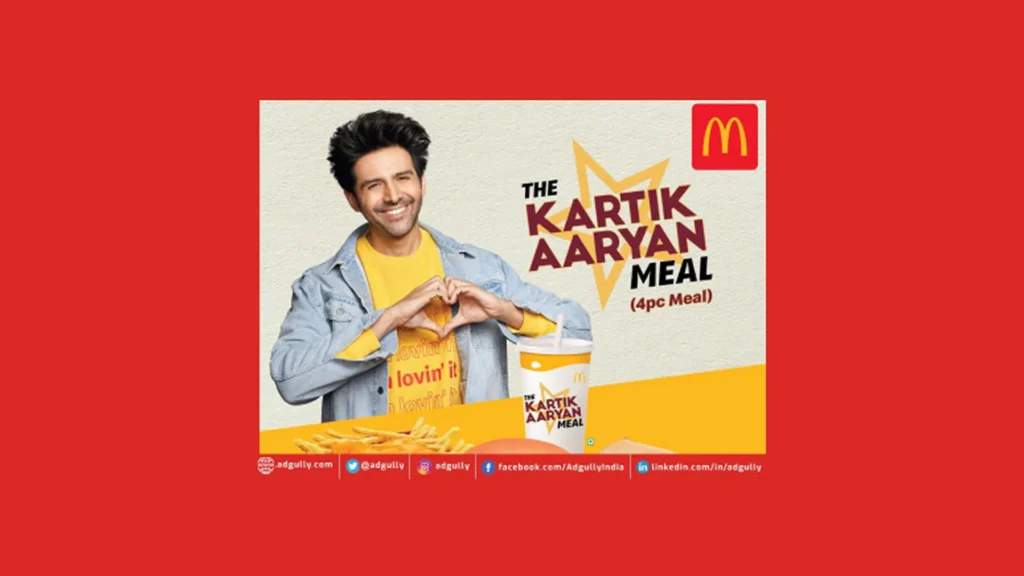
A recent campaign from McDonald’s India shows how connected packaging can amplify both engagement and cultural relevance. For its limited-time “Kartik Aaryan Meal,” the brand used special QR-code-enabled packaging that let customers scan to take a virtual selfie with the Bollywood star, turning a simple purchase into an interactive experience.
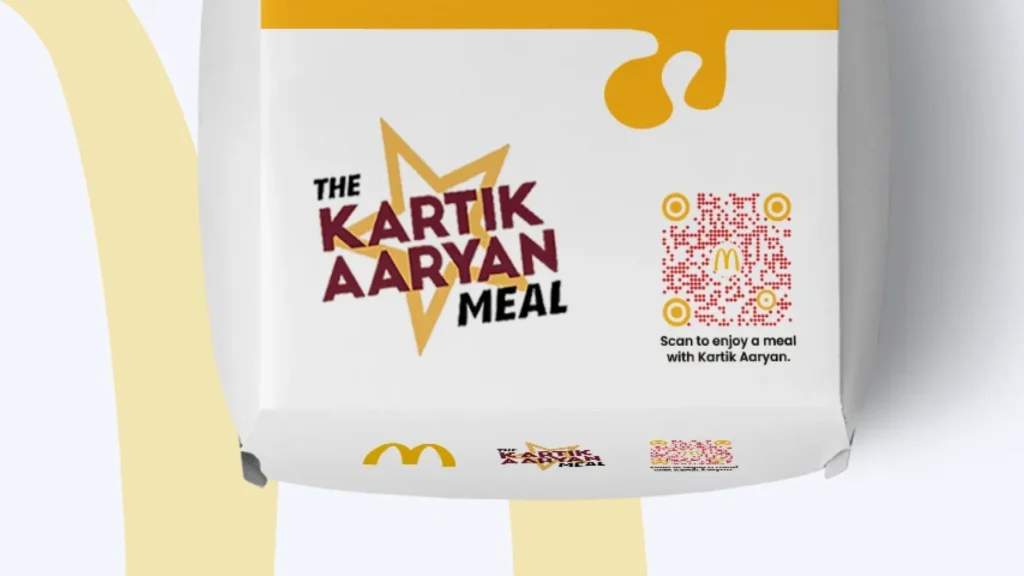
This approach not only made the meal more compelling for fans, it also helped McDonald’s track how and where consumers engaged with the on-pack content. It’s a reminder that packaging can be more than a container — it can be a bridge between physical products and memorable, measurable digital moments.
4. Chick-fil-A
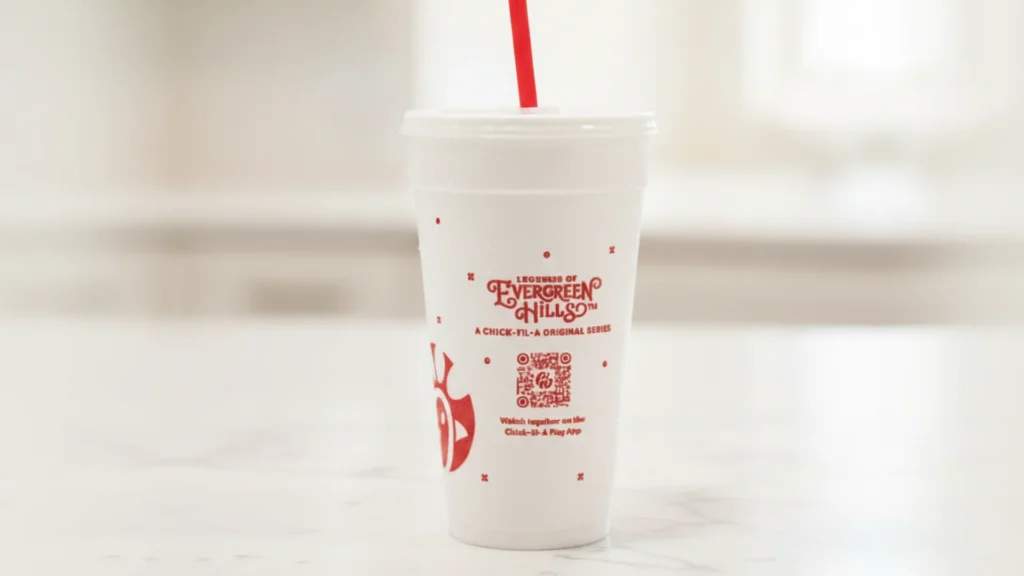
Chick-fil-A’s branded cup is a textbook example of how on-pack QR Codes turn a routine purchase into an interactive moment. The code on the cup directs customers to the Chick-fil-A Play app so buyers can access exclusive content tied to the promotion. That on-pack activation drives immediate engagement (scans can happen in-store or later at home) and produces measurable events you can link back to retail performance.
Chick-fil-A uses Uniqode QR Codes on their packaging. With Uniqode, teams can create brand-forward QR designs, change destinations instantly for new content or offers, and capture location and timing data to sharpen targeting. The result: stronger engagement, clearer attribution for in-store promotions, and one printed asset that fuels ongoing digital experiences.
5. Dyson
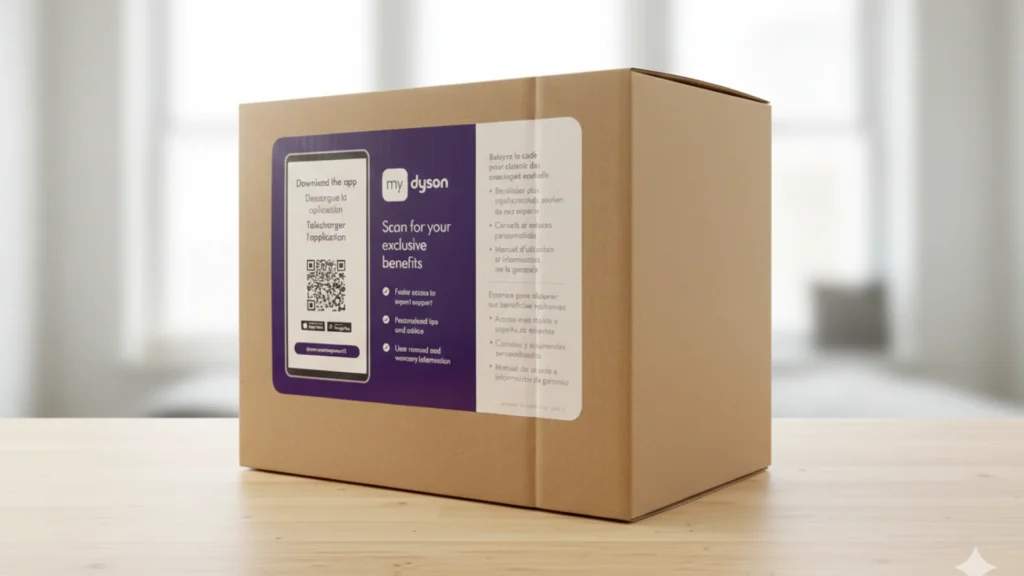
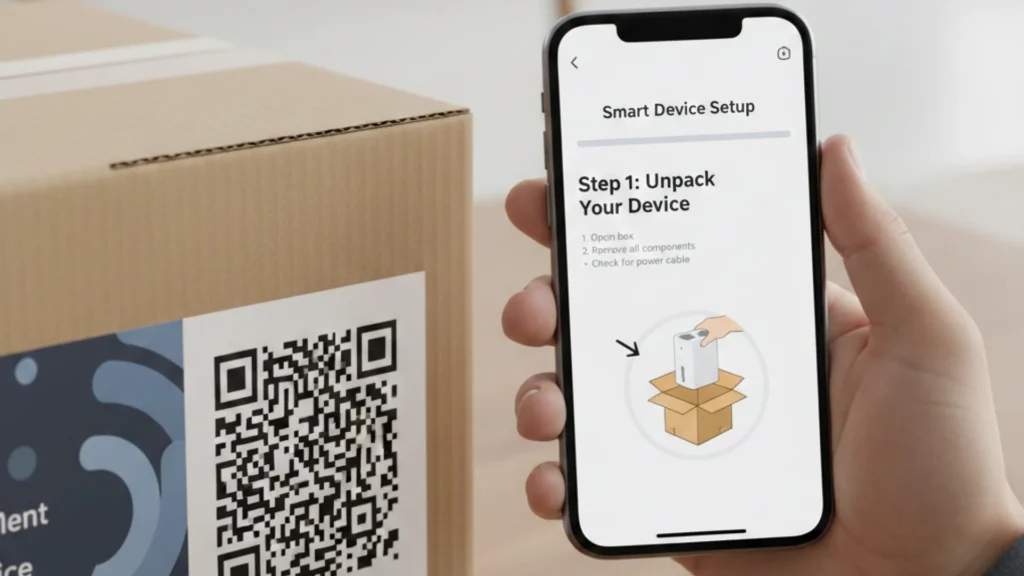
Dyson’s packaging shows how premium brands use QR Code enabled onboarding to deepen engagement from the moment a customer opens the box. By placing a prominent, multilingual QR Code on the packaging,
Dyson directs buyers to download the app for faster support, personalized tips, and warranty information — turning a traditionally static unboxing moment into a guided digital experience. This approach not only helps customers get more value from their product, it also gives Dyson a measurable path to app installs and ongoing communication.
Create a connected packaging experience with Uniqode
Connected packaging is no longer just a clever add-on. It’s the most efficient way to turn every product into a measurable, adaptable and genuinely owned marketing channel. One Uniqode QR opens a direct, permanent line to every customer the moment they choose you. And because it costs virtually nothing extra and can be updated forever, that single touchpoint becomes a living growth engine that cross-sells and upsells, captures consented email, SMS and zero-party data at peak excitement, and builds relationships you fully own.
It also lets your team test fast, iterate freely and scale what works without reprints or operational delays. The moment of purchase no longer ends the conversation. It becomes the beginning of an owned relationship that keeps paying you back with every pack.
Frequently Asked Questions
- Are QR codes still effective for packaging?
Yes. QR adoption is mainstream—buyers scan for rewards, recipes, warranty, and how-tos. The key is value: offer a clear reason to tap (discount, refill, exclusive content) and measure the outcome. Scan behavior turns a physical purchase into a measurable digital event.
- Will on-pack QR codes look cheap or damage our brand?
Not if you design them intentionally. Use custom-branded QR designs, a custom domain, and thoughtful placement and messaging. When done right, the QR feels like a premium, on-brand interaction rather than an afterthought.
- How do we measure attribution from a scan to revenue?
Treat every scan as a tagged event: landing → CTA → conversion. Tie those events into GA4, your CDP or Salesforce and run simple test vs control markets. Metrics to show the board: scan rate, conversion after scan, revenue per scan, and incremental lift vs control.
- What about privacy and consent?
Make opt-in explicit on the landing experience and capture consented email/SMS at the moment of highest intent. Use server-side integrations to push only consented data into your CRM and ad platforms. If privacy is a blocker, emphasize consent-first flows and audit logs.
- How much does connected packaging cost and what’s the ROI?
Cost depends on scale and integrations, but the ROI math is simple: small scan rates can generate disproportionate incremental revenue through refills, subscriptions and retargeting. Share a simple model: units → scans → conversions → revenue per scan to demonstrate payback to finance quickly.
- We already have strict packaging timelines — how do we change an offer?
Dynamic QR + real-time updates let you change destinations without reprints. Swap offers, run recalls, or localize creative instantly via Smart Rules — no new SKU required.
- How secure and enterprise-ready is this for regulated or global brands?
Use GS1-compliant QR options, SSO and audit logs for governance, SOC 2 controls for data security, and uptime SLAs for mission-critical campaigns. You can also assign granular permissions with folders and tags so agencies or interns see only what they need.
Related Posts
How CPG Brands Use QR Codes on Packaging
Louisiana SB 14 Requires QR Codes on Food Packaging
What Expo West 2026 Taught Us About the Future of CPG (And Why Your Packaging Is at the Center of It)
What the FDA’s New Traceability Requirements Mean for CPG Brands
Reduce Customer Support Calls with Product QR Codes: A Complete Guide for Brands