How QR Codes on Prescription Packaging Improve Patient Experience
Learn how pharmaceutical companies use QR Codes on medication packaging to share tutorials, provide drug info, and help improve patient adherence.
Imagine a medicine pack that not only confirms authenticity but also reminds patients to take their next dose and updates doctors on adherence patterns — all triggered by a single scan. This is the future of connected healthcare: packaging that learns, adapts, and interacts.
Let’s look at how pharma brands can use QR Codes to transform static packaging into a connected experience and a tool to help ensure authenticity.
Why healthcare and pharma brands need QR Codes on labels
Pharmaceutical packaging isn’t just about housing the product anymore — it’s about compliance, patient safety, and connection. But with limited label space, how can companies turn a small piece of packaging into a powerful source of information and trust? That’s where QR Codes come in.
Overcoming regulatory barriers in pharma labeling
There are many changes happening in the pharmaceutical industry today. Many governments and regulatory bodies are changing laws to prefer digital experiences.
A recent EU pharma legislation proposed that printed package inserts (PILs) in medicine boxes should be replaced or supplemented by QR Codes linking to electronic versions online. This is brought in as an anti-counterfeit measure and to reduce operational costs.
Back in 2020, the US Food and Drug Administration launched several initiatives to promote traceability and transparency. The FDA promotes the adoption of digital and tech-enabled systems in its effort to promote consumer safety. An important part of this is the launch of a new portal that expedites the verification of export certificates using QR Codes.
Regulators in major regions such as the USA, EU, and China have imposed stricter requirements on pharmaceutical serialization, traceability, and tamper-evident packaging, prompting faster adoption of these safeguards. In markets such as Germany, 3D barcode deployment is rising by 36% YoY in 2025 to enable full product lineage tracking.
By 2027, 2-D barcodes will be mandatory, replacing traditional barcodes.
Anti-counterfeit
Counterfeit pharma products are endangering millions of Americans, according to a recent report.
As concerns around drug authenticity grow, anti-counterfeit packaging solutions are becoming increasingly critical in ensuring safety and trust. From barcodes and security seals to RFID and mass encryption, an increasing number of drug brands worldwide are adopting various anti-counterfeiting measures.
A unique, serialized QR Code can link to a secure, centralized database containing detailed information such as the drug’s name, manufacturer, batch number, and verification status. This makes it nearly impossible for counterfeiters to replicate.
A unique, serialized QR Code can link to a secure database with details like the drug’s name, manufacturer, batch number, and verification status. With GS1-compliant QR Codes from platforms such as Uniqode, pharma brands can generate secure, serialized identifiers at scale.
These serialized QR Codes also integrate recall alerts, allowing instant verification of batch recall status from regulatory databases like FDA or DCGI during scans. This supports rapid quarantine of defective lots, minimizing risks from contamination or errors while upholding traceability mandates.
Patient safety
Self-administered medication error is a significant problem in the pharma industry.
A study by PubMed shows how QR Codes can help patients correctly take their own medications by letting them view clear, accurate drug information. Embedding detailed medication instructions in a QR Code would help people, especially older adults, avoid mistakes when taking their own medication. These errors are a significant health concern in the U.S., where tens of thousands occur annually.
Connected experiences
QR Codes create connected experiences by bridging the physical medication package with digital content and services, enhancing patient safety, engagement, and healthcare integration. It can display detailed and up-to-date medication instructions, including multimedia resources such as videos and visual aids, which clarify proper use, dosage, and precautions.
They also enable multi-language content and personalized guidance tailored to specific health profiles. This creates a more holistic treatment experience.
Beyond improving patient outcomes, QR Codes improve brand trust and data-driven manufacturing strategies. Companies can use real-world usage data for continuous improvement and post-market surveillance.
Beyond improving patient outcomes, QR Codes strengthen brand trust and streamline pharmacy inventory management. Pharmacies and manufacturers can track product movement, verify authenticity, reduce stock discrepancies, and anticipate restocking needs with real-time scan data.
How pharmaceutical brands use QR Codes
As QR Codes become mainstream in life sciences, pharmaceutical companies are finding new ways to turn a prescription bottle label into a trusted source of information and engagement.
Below are key use cases that demonstrate how a simple scan can enhance transparency, patient support, and compliance — directly from the medicine box.
Sharing drug information and safety details
Printed medication leaflets often have limited space and can be confusing for patients.
By adding QR Codes to packaging, pharma brands can link directly to verified product details, dosage guides, and safety information hosted on approved portals. When incorporated into sample packaging, this feature turns physical touchpoints into traceable, compliant, and interactive tools, aligning both marketing and medical operations.
Example: A QR Code on an antibiotic bottle could open a multilingual page explaining dosage schedules, contraindications, and side effects. This can be updated dynamically without reprinting new labels.
Why it matters:
- Ensures consistent, accurate information delivery
- Reduces risk of misinterpretation from outdated printed inserts
- Meets regulatory standards (FDA, EMA, etc.) for accessible patient information
HCP sample requests and digital documentation
Pharmaceutical QR Code applications don’t stop at patient-facing packaging. They also extend to how healthcare professionals (HCPs) engage with medication samples and regulatory documentation.
By embedding QR Codes on sample packs or accompanying HCP materials, companies can simplify how doctors request, acknowledge, or sign off on medication samples.
Example: An oncologist receives a sample kit with a QR Code linking to a digital portal where they can sign an e-form to confirm receipt, view updated clinical data, or request additional samples.
Why it matters:
- Removes manual paperwork and reduces administrative delays.
- Ensures full compliance with industry regulations (FDA, HIPAA, local equivalents).
- Enables real-time tracking of sample distribution.
Providing tutorials and usage instructions
Not all medications are intuitive to use. And self-administered medication errors are quite common.
QR Codes make learning easier. A quick scan can open a short instructional video, animation, or infographic explaining proper administration techniques. This would be helpful for elderly or new patients starting treatment.
Example: An asthma inhaler pack might be accompanied to a video demonstrating the correct breathing technique and device cleaning steps.
Why it matters:
- Reduces medication misuse and errors.
- Improves adherence through patient confidence and understanding.
- Offers accessibility for all ages and literacy levels.
One-scan field force toolkit
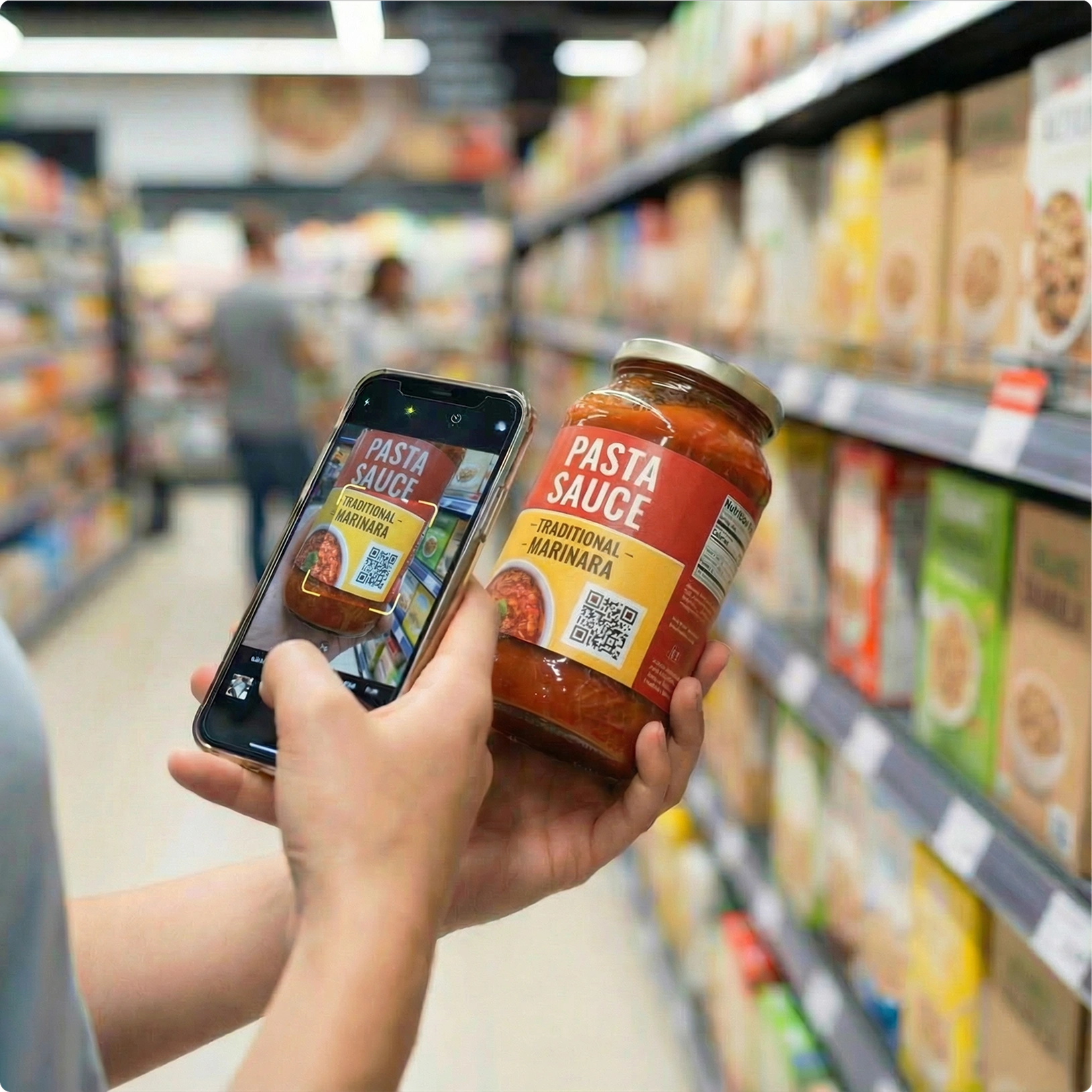
<image> A medicine box with a QR Code, and a field rep or doctor scanning the QR Code using a smartphone
QR Codes on medication packaging can also serve as a gateway to up-to-date product resources. It simplifies how field reps and healthcare professionals access approved materials, dosage guides, or safety updates
In the fast-paced pharmaceutical environment, where product data and guidelines evolve constantly, reps and HCPs need instant, compliant access to accurate information — and QR Codes make that possible with a single scan.
Each batch or product line includes a unique QR Code linking to a secure digital library.
Field reps or HCPs can scan the code to view approved prescribing information (PI), dosage charts, MOA videos, and regulatory documents.
The linked content is dynamic, so companies can update files in real-time without reprinting packaging or collateral.
Example:
A rep visiting a doctor scans the QR Code on the medicine box to show the latest product data or clinical study visuals, ensuring the discussion aligns with current compliance standards.
Why it matters:
- Keeps reps and HCPs informed with the latest approved content.
- Reduces risk of sharing outdated or non-compliant information.
- Enhances consistency between packaging, product messaging, and field communications.
- Improves transparency — both for medical professionals and patients receiving the medicine.
Adherence and refill support
Pharma brands can link QR Codes to digital reminders, pill trackers, or refill request forms. This creates an easy bridge between packaging and ongoing treatment management.
Example: Patients can scan a code to log doses or set a reminder for their next refill. It can be integrated into a mobile app or WhatsApp bot.
Why it matters:
- Encourages consistent medication use.
- Improves treatment outcomes.
- Provides brands with anonymous engagement metrics for better patient support planning.
Connecting offline packaging to omnichannel care
QR Codes on packaging can serve as a bridge between offline and digital health systems — syncing with CRM, telehealth apps, or digital prescription platforms.
Example: A scanned code could let patients securely share adherence data or side effects with their healthcare provider via an integrated portal.
Why it matters:
- Strengthens the patient-HCP feedback loop.
- Helps pharma brands measure engagement while maintaining privacy compliance (HIPAA, GDPR).
Supply chain and cold chain monitoring
Pharmaceutical supply chains involve multiple handoffs, making it challenging to maintain visibility, traceability, and product integrity throughout the transportation process.
By adding QR Codes to cartons, pallets, or individual medicine packs, pharma brands can link each unit to real-time shipment data and batch details. This creates a digital audit trail that follows the product from manufacturing to the pharmacy shelf.
Example: A vaccine shipment labeled with a QR Code can show its full temperature history, transit checkpoints, and any excursion alerts when scanned by warehouse teams or pharmacists. This lets them instantly verify if the cold chain was maintained before accepting or dispensing the product.
Why it matters:
- Strengthens serialization, anti-counterfeiting, and traceability
- Reduces product waste by identifying when (and where) cold-chain failures occur
- Speeds up recalls and regulatory reporting with complete digital records
- Protects patient safety by ensuring only properly handled medicines enter the supply chain
How to implement QR Codes on drug labels
Take the first step in creating a connected experience by creating QR Codes for your pharma packaging.
- Decide the purpose of your QR Code: authenticity and serialization using GS1 Digital Link, supply-chain traceability, patient support, or HCP enablement.
- Create an account on Uniqode (takes less than two minutes).
- Use the dashboard’s dynamic QR Code generator to create your QR Code. Customize the design, add your logo, and include GS1-compliant data where required.
- Download the QR Code in your preferred format and print it on your product packaging, brochures, or directly on medicine bottles.
- Place it strategically on the packaging materials of your medicinal products, brochures or labels
- Track and analyze: You can track metrics like total scans, location and device type. Use these insights to optimize your campaigns.
Here are a few best practices to make the most of using QR Codes on drug packaging:
- Use dynamic QR Codes so you can update information without reprinting labels.
- Provide accessible content (short videos, multilingual text, screen-reader-friendly pages).
- Use Smart Rules to personalize experiences by region, language, and device.
- Follow GS1 Digital Link standards for better global interoperability and regulatory alignment across the pharma supply chain.
The future of smart packaging in pharmaceutical packaging
The role of packaging in pharma is evolving — from a static label to a living, digital interface between patients, healthcare professionals, and pharmaceutical brands. As the industry continues its shift toward personalization, transparency, and data-driven care, QR Codes are paving the way for a new era of intelligent packaging.
Today, a QR Code connects patients to tutorials, dosage guides, and authenticity checks. QR Codes can transform into real-time health touchpoints.
QR Codes are just the beginning — the first digital handshake between a brand and its end user. As technology advances, they’ll evolve into the foundation of intelligent medicine packaging, where every box tells a story, every scan adds value, and every interaction brings better outcomes.
For pharma brands, the next innovation might just start with a simple scan.
Uniqode empowers pharmaceutical brands to transform packaging into secure, connected experiences with dynamic QR Codes for drug info, authenticity checks, recall alerts, and patient engagement. Holding SOC 2 Type II certification, Uniqode ensures enterprise-grade security and compliance for sensitive pharma data, meeting mandates like GS1 and CDSCO while enabling traceability without label reprints.
Create your first QR Code with Uniqode for free and explore how your pharma packaging can be transformed into a connected experience.
Frequently Asked Questions
- What information can QR codes on prescription packaging provide to patients?
QR codes on prescription packaging can deliver dosage guides, instructional videos, multilingual electronic package inserts (ePIs), side-effect information, refill instructions, and batch verification details. According to a PubMed study, QR codes help reduce tens of thousands of annual self-administered medication errors in the U.S. by providing clear, accurate drug information at the point of use. This is particularly beneficial for older adults who are at higher risk of medication mistakes.
- Are QR codes on medication packaging secure for patient data and authentication?
Yes, pharmaceutical QR codes use serialization and GS1-compliant standards to link each code to secure, centralized databases containing manufacturer details, batch numbers, and verification status. These unique, serialized QR codes make counterfeiting nearly impossible and can integrate with regulatory databases like the FDA for instant recall verification. Platforms like Uniqode enable pharma brands to generate secure, serialized identifiers at scale while maintaining data privacy and preventing unauthorized access to medical information.
- What is the best QR code platform for pharmaceutical packaging and serialization?
Platforms like Uniqode offer GS1-compliant QR code generation specifically designed for pharmaceutical serialization, enabling brands to create secure, unique identifiers at scale. These solutions integrate with regulatory databases including the FDA and DCGI for instant batch recall verification and support traceability mandates required by regulators in the USA, EU, and China. The platform enables dynamic content updates and anti-counterfeit measures by linking each serialized code to centralized databases containing manufacturer, batch, and verification status information.
About the Author
Shashank - Enthusiastic about marketing and improving the ROI of businesses.
Related Posts
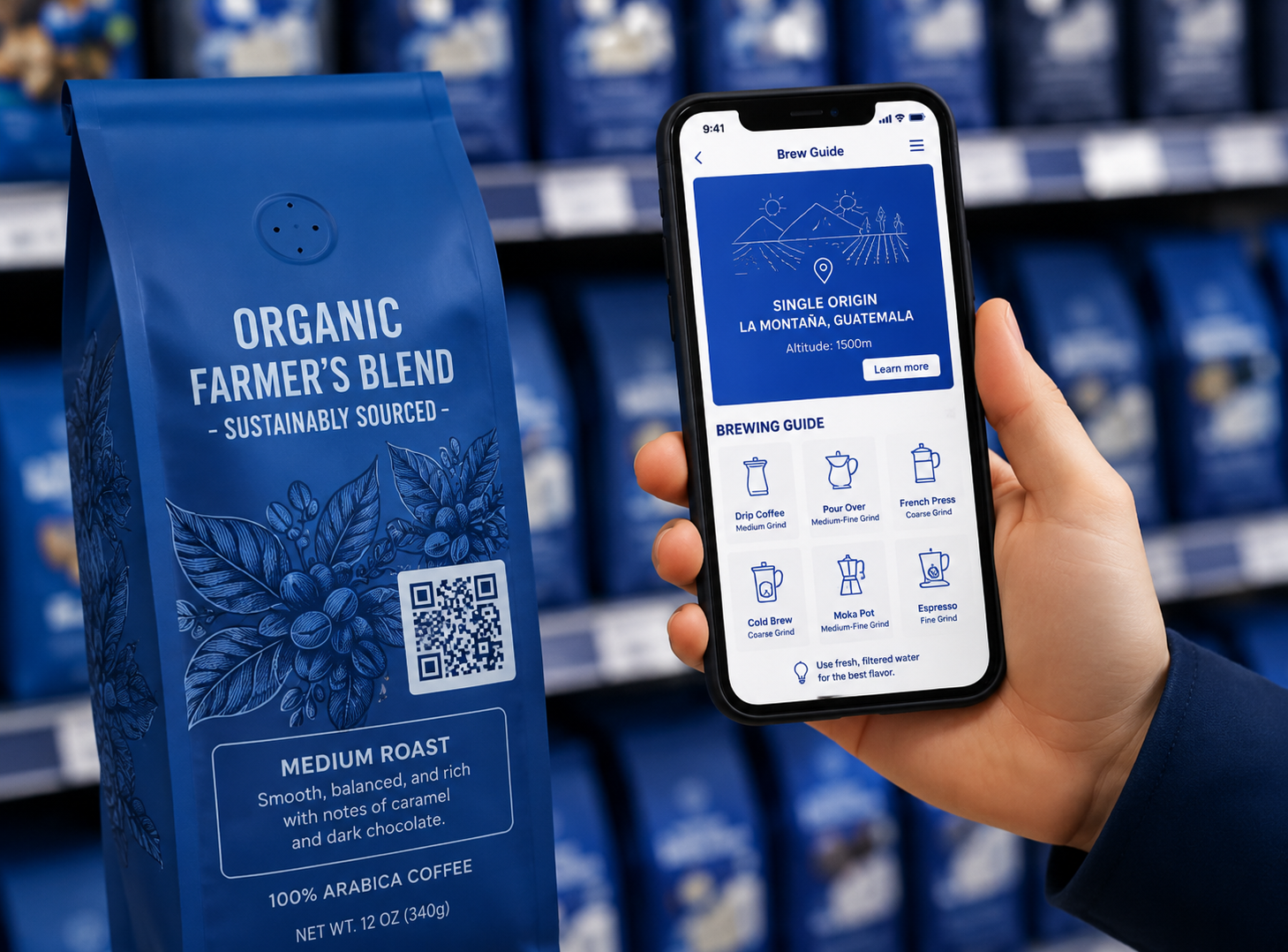
How CPG Brands Use QR Codes on Packaging
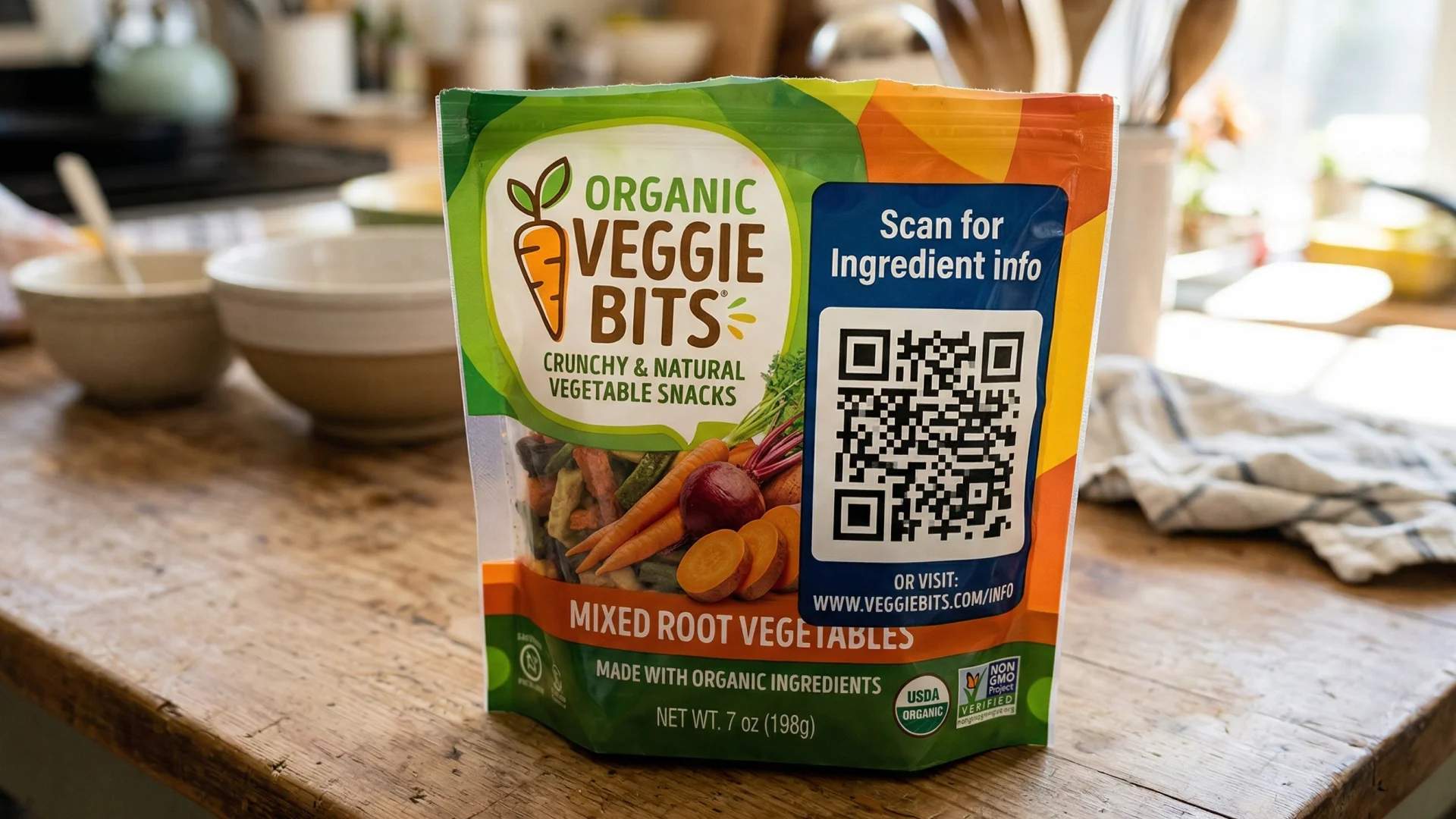
Louisiana SB 14 Requires QR Codes on Food Packaging
What Expo West 2026 Taught Us About the Future of CPG (And Why Your Packaging Is at the Center of It)
What the FDA’s New Traceability Requirements Mean for CPG Brands
Reduce Customer Support Calls with Product QR Codes: A Complete Guide for Brands