


.png)

Scan Now, Use Later: Designing QR Codes Journeys for Delayed Value

Fast isn't enough anymore.
Sure, 42% of consumers still want QR Codes to load faster and work more reliably, according to State of QR Codes 2026. But that number hides a more fundamental problem: even when QR Codes work flawlessly in the moment, they break down over time. Links expire. Campaigns end. Content gets pulled. Meanwhile, the codes stay exactly where they were (on packaging, posters, business cards), still inviting scans, now leading nowhere useful.
Here's the shift: 31% of consumers say they want scanned information to be easier to save and revisit later. That's not just asking for a feature. It's showing that expectations have changed. People want QR Codes to give them something they can come back to, not something that vanishes after one use.

Most QR Code strategies are still built for instant interactions. But real decisions don't happen that fast. They take hours, days, sometimes weeks. They happen across different devices, in different contexts, at different levels of readiness. This article walks through how to redesign QR Code journeys around that truth, so the value doesn't disappear when the browser closes.
The problem with today’s QR Code journeys
About 71% of consumers now describe QR Codes as at least somewhat helpful in their lives. That signals a shift: QR Codes have moved from novelty to utility, something people use routinely without much thought. Yet most QR Code experiences are still designed to succeed in a narrow window (the few seconds after someone scans) and fail everywhere else.
In practice, this creates journeys that are:
- Built for single-use moments
- Tied to campaign timelines, not product or customer lifecycles
- Considered “done” once the page loads or the action completes
The cost of that short-term thinking shows up later. Nearly a third of consumers say they've scanned a code only to hit a broken or outdated destination. The codes stay visible (on packaging, in stores, on printed materials), but the content behind them has already expired.
Part of the issue is that most QR Code usage is immediate:
- 58% scan most frequently at restaurants, cafes, and bars to view menus, order, or pay
- 35% scan to make payments
- 52% scan for discounts or offers, typically at the point of purchase

But not every use case fits that pattern. Product documentation, care instructions, warranty details, technical specs: these deliver value after the first scan, when someone needs to reference them again. When QR Codes are designed for that second or third visit, they become dependable access points rather than disposable shortcuts. Right now, they aren't.
Designing QR Code journeys that work today and tomorrow
Designing for delayed value starts with one assumption: people will come back. The goal isn't just to drive a one-time action but to make information easy to retrieve when it's actually needed.
Below are patterns already in use by brands that treat QR Codes as durable access points, not disposable links.
Save to wallet
When information matters later, saving it somewhere persistent beats asking people to remember a link. "Save to wallet" works because it places information in an environment people already trust for things that are important and time-sensitive.
This pattern is most effective when information:
- Needs to be shown more than once
- Must be accessible quickly or offline
- Is tied to proof, status, or entitlement
Pro tip: Patterns like "save to wallet" work best when people already feel comfortable scanning. Uniqode's consumer survey found that 58% of consumers feel confident using QR Codes, while 26% say they trust them more than before. Turning a scan into a pass that stays in a wallet builds on that confidence instead of risking it on a single-use page.
One of the clearest examples of this can be seen in the airline industry. Boarding passes delivered via QR Codes are routinely saved to Apple Wallet or Google Wallet.
Travelers don’t think of this as a “QR Code experience;” they think of it as access that works when they need it. The QR Code is scanned multiple times across a journey: at security, at the gate, during boarding.
This same pattern is now being applied aside from travel.
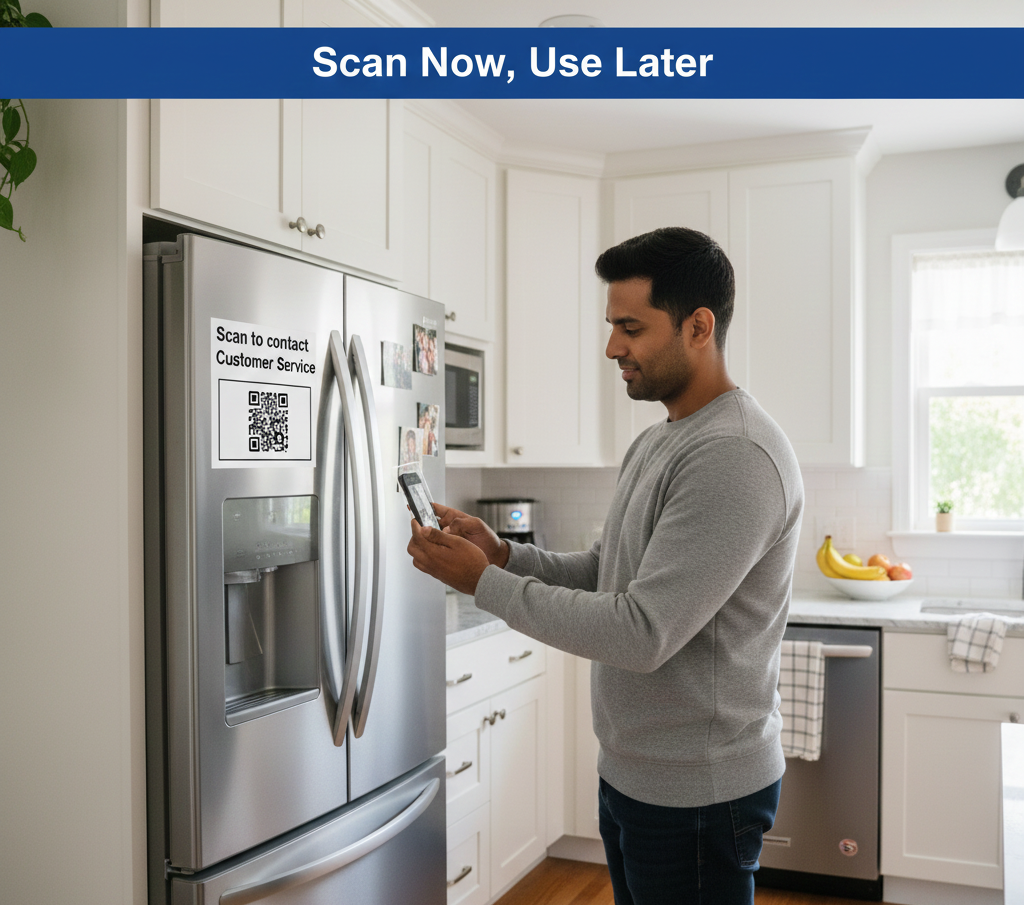
- Electronics and appliance brands increasingly use QR Codes to let customers save warranties, receipts, or service eligibility details.
- Retailers use wallet passes to store loyalty status, reorder links, or subscription reminders.
Email to self
Many scans happen in the middle of something else: checking a product on the shelf, opening packaging, or skimming a long guide on a small screen. According to the consumer survey, 75% of people scan QR Codes primarily to access information rather than discounts. That means a lot of journeys now lead to content people may want to revisit.
An "email this to me" option makes that easier. It lets someone send themselves a guide, checklist, or set of instructions so they can finish the task later without losing the context of why they scanned it in the first place.
Brands can apply this pattern directly to packaging and in-store signage. Since 40% of consumers scan QR Codes on product packaging, letting them send setup guides or product details straight to their email turns a common scan into something they can complete later.
While the feature is often invisible, it consistently improves follow-through because it moves the task into the place where people already manage things they plan to handle later: their inbox.
Persistent profiles
Nearly 70% of respondents scan at least once a month, and 35% scan weekly, which means weak scan journeys are felt repeatedly. When people scan the same QR Code more than once, the experience should evolve.
Persistent profiles enable brands to recognize returning users and tailor content based on their stage in the journey.
This pattern is especially important for:
- Products with long lifecycles
- Membership or subscription services
- Learning, wellness, or fitness programs
Automotive manufacturers place QR Codes inside vehicles or on documentation that link to digital owner portals covering manuals, service schedules, recalls, and warranty information. Owners return to these resources over the course of months or years.
For example, Toyota’s Corolla QR Code is used to activate connected services, which link the car to their App for features such as vehicle health, alerts, and remote start or lock.
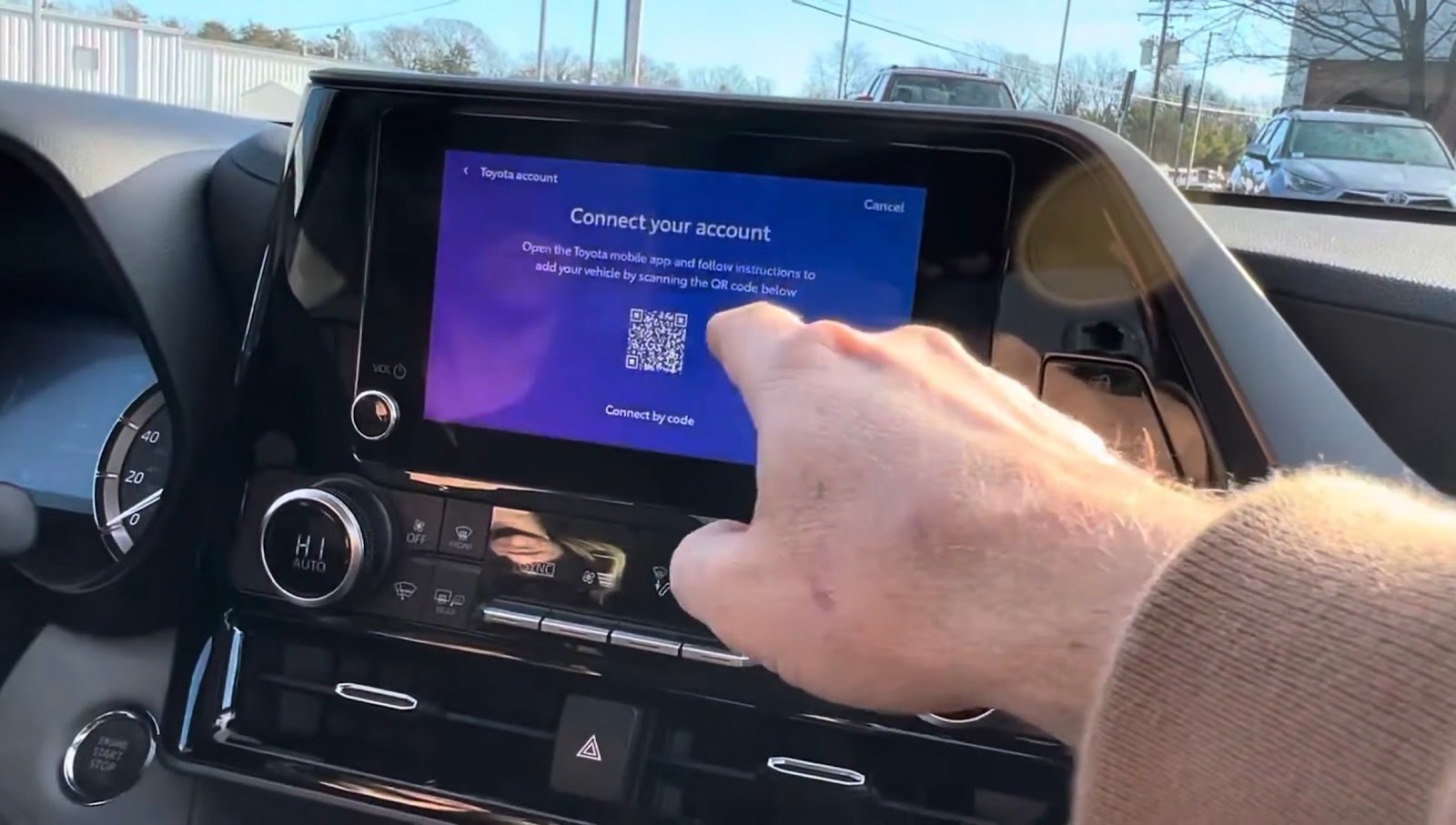
Here, the QR Code is not a campaign link. It’s an ongoing access point tied to ownership.
Contextual return points
One of the fastest ways to lose trust is when a return scan leads to outdated or irrelevant content. Contextual return points solve this by allowing the destination behind a QR Code to change over time while the printed code remains valid.
This approach is especially important when:
- QR Codes live on packaging or physical materials
- The information a customer needs changes after purchase
- Campaigns end, but the product is still in use
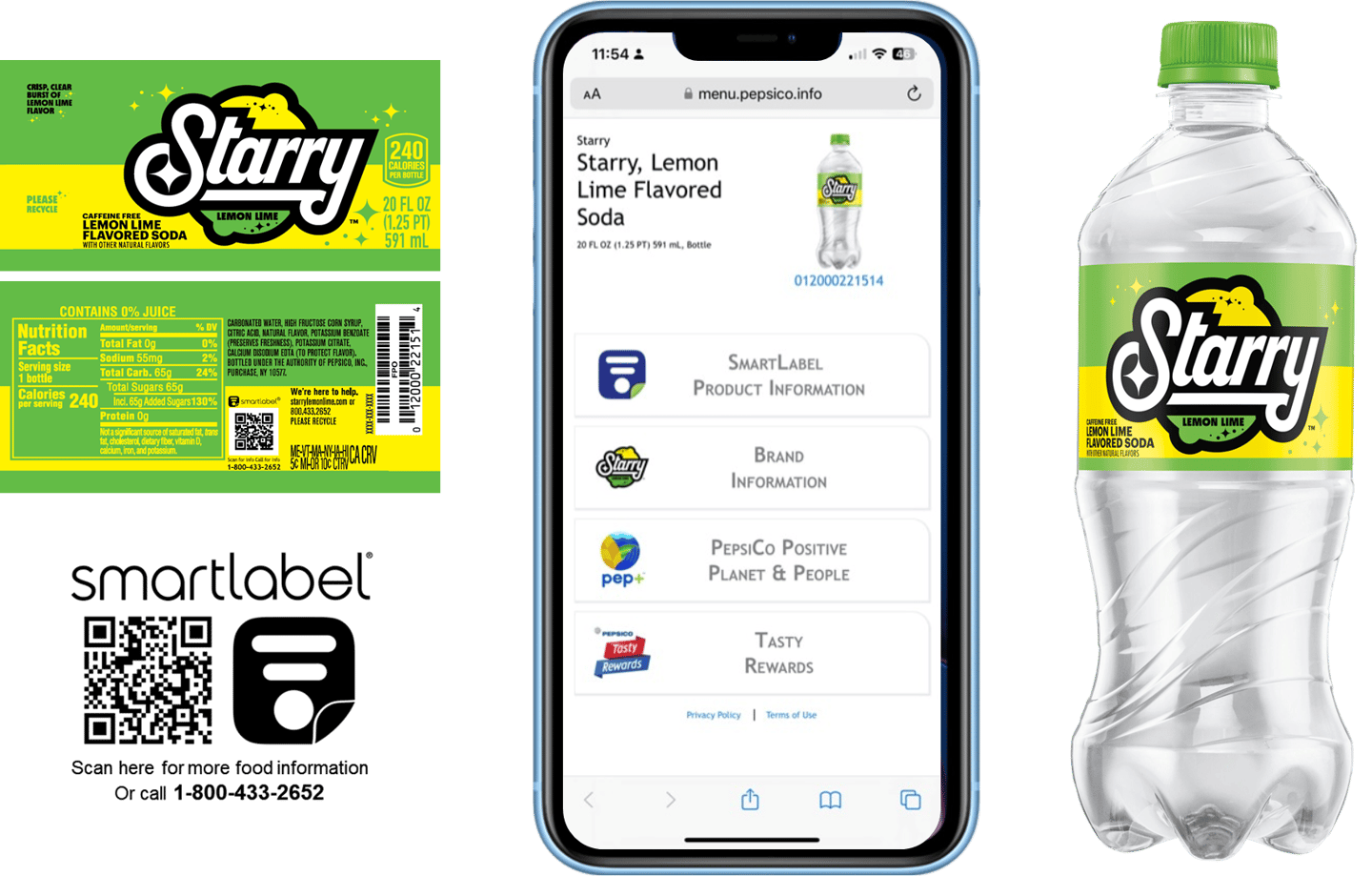
Meal kits and CPG brands like PepsiCo use QR Codes on packaging to link to nutritional information, allergens, sustainability, recycling, loyalty programs, and other consumer-centric information, ensuring the experience stays useful long after delivery.
Since skincare and cosmetics are used daily, beauty brands like L’Oréal use on‑pack QR Codes to offer ingredient, usage, and quality control information that customers can revisit throughout their routine after purchase.
Where scan-to-save behaviors create the most advantage
When QR Codes are designed for saving and return, their impact isn't evenly distributed. The strongest gains show up in categories where information gets reused, referenced over time, or needed at different moments after purchase or sign-up.
Here's how some industries use scan-to-save to consistently deliver value.
Electronics and appliances
Most electronics and appliances only begin their real journey after purchase. Setup, troubleshooting, maintenance, and service all happen later, often multiple times over the product's lifespan. Customers don't want to search for manuals or dig through emails months after buying a device.
This is why QR Codes on products or packaging work best when they support saving and return:
- Digital manuals that can be revisited during setup or repairs
- Warranties and proof of purchase stored for future service
- Service reminders and support access without hunting for links
Here, QR Codes work as long-term ownership tools, not just onboarding aids.
Beauty, wellness, and CPG
In beauty and wellness, usage happens in routines. Products are applied daily, weekly, or in specific sequences. The information that matters (how to use something, how often, and in what order) is rarely absorbed at first glance.
This makes scan-to-save especially valuable:
- Step-by-step routines customers return to repeatedly
- Ingredient explanations revisited as part of ongoing use
- Reorder links accessed when products run low
You can see this pattern in action in how CPG brands use QR Codes to improve transparency around ingredients and sourcing.
Retail and packaging
Packaging often outlives the moment it was designed for. A QR Code printed on a box, label, or receipt may still be scanned weeks or months later, long after a campaign has ended. Scan-to-save helps packaging stay useful:
- Care instructions referenced after wearing or washing items
- Sustainability and sourcing information revisited at home
- Loyalty benefits or receipts saved for later use
This is where contextual return points prevent QR Codes from becoming dead ends.
Travel and hospitality
Travel information is rarely needed just once. It's checked before departure, during the journey, and often again on arrival. Expecting travelers to complete everything at the moment of scan ignores how fragmented travel actually is. Scan-to-save supports this reality:
- Itineraries and booking details saved for repeated access
- Check-in instructions revisited at different stages
- Event or stay information updated as plans change
Here, QR Codes function best as journey companions rather than single-touch confirmations.
Learning and community spaces
Learning and participation unfold over time. Whether it's a class, event series, or community program, people return to schedules, materials, and updates repeatedly. Scan-to-save enables:
- Easy access to schedules and session details
- Ongoing reference to resources and coursework
- A stable entry point that supports continuity and engagement
These industries demonstrate a larger principle: when the value of information extends beyond the moment of access, scanning to save becomes essential. Without it, the QR Code becomes obsolete while the need for it continues.
Creating value beyond the first QR Code scan
The consumer survey part of the State of QR Codes 2026, points to a clear shift: the question is no longer "Will people scan?" but "Will this still be useful when they come back?" People already scan frequently, and they do it mainly for information rather than discounts.
The path forward is designing QR Code journeys that create access points instead of one-time pages. That means destinations that stay stable, are easy to save, and feel ready for repeat visits over the life of the product or relationship. Tools like dynamic links, save options, wallets, email integrations, and product hubs keep that value intact beyond the first session.
Getting this right means every QR Code from your brand becomes proof that your information is reliable. And that compounds to higher confidence, more repeat scans, and stronger loyalty.
If you’re looking to learn more about how to shape your QR Codes as a brand, you should be checking and applying insights from Unique Angles.