


.png)

Designing QR Code Experiences That Drive Customer Lifetime Value
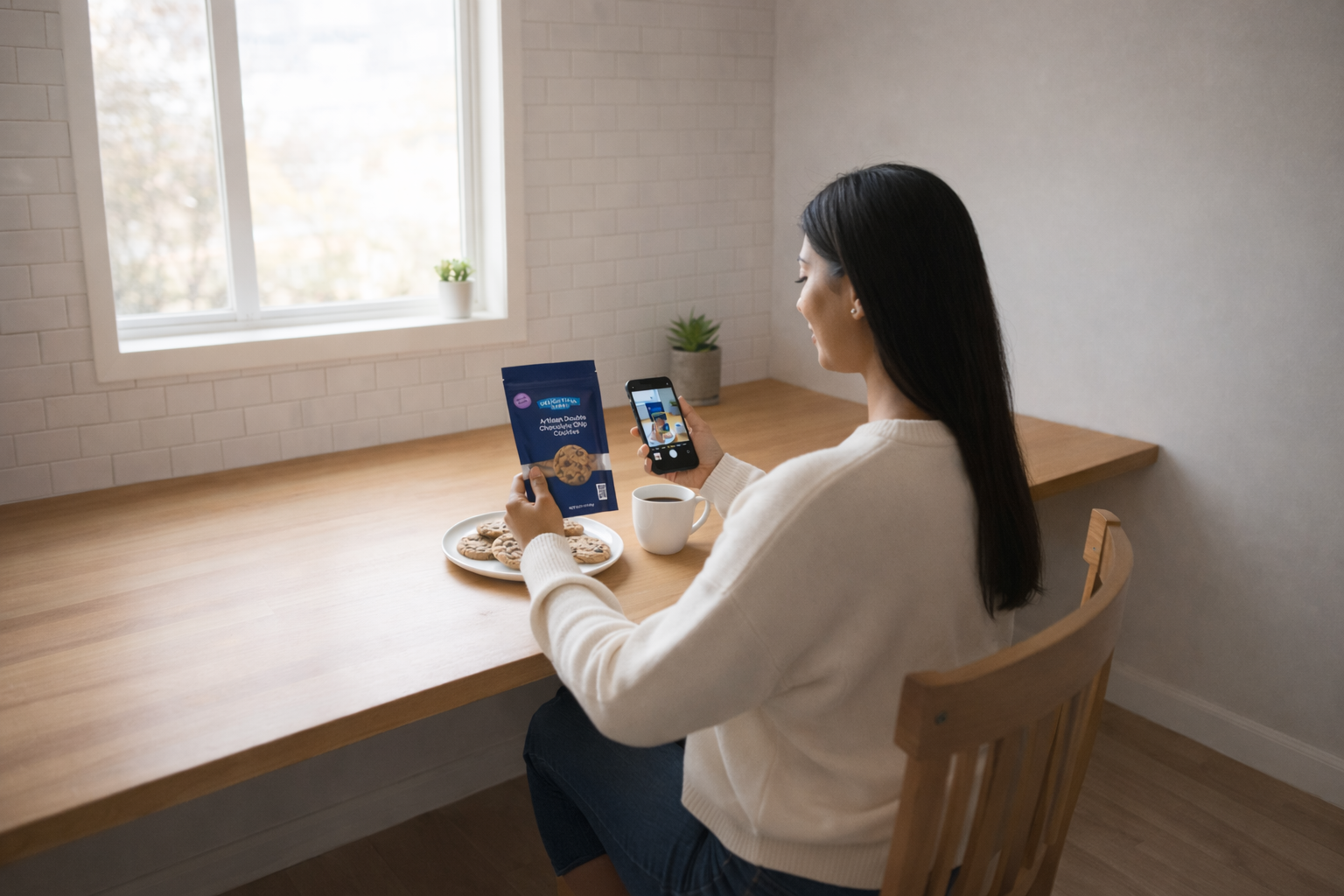

What if your QR Code is doing exactly what you asked of it and is still failing?
Your consumers scan the code, and the page loads. The campaign metrics look clean, but nothing follows. There are no repeat purchases or meaningful retention, and no clear revenue impact either. Just a scan count. This is the “one-scan trap” that most QR Code strategies fall into, and it’s costing brands more than they realize.
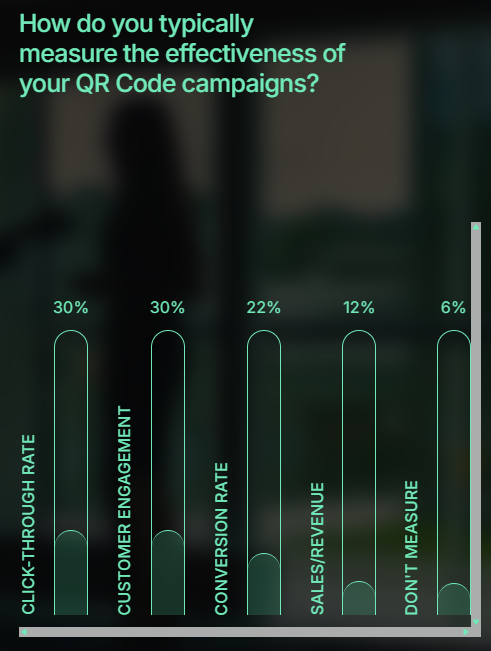
According to The State of QR Codes 2026, 54.4% say growth is their top goal for QR Code initiatives. 51.5% prioritize customer engagement. Yet only about 12% measure actual revenue generated from those campaigns. That gap between what marketers want and what they're actually measuring is why most QR Code strategies stall after the first scan. A single scan shows activity. It does not build a customer.
QR Codes shouldn't be single touchpoints that end at the first scan. They must orchestrate customer progression: first purchase → education → refill → upsell → loyalty. This piece walks through how to design for each stage, and how to know if it's working.
Why one-time scans don't build LTV
If you’re accountable for growth or retention, you already know customer lifetime value (LTV) is built on repeat behavior, and repeat behavior doesn’t happen by accident. Here’s why the one-scan model breaks down:
- Retention economics: Acquiring a new customer can cost five times more than retaining one, and repeat buyers spend 67% more than first-timers. In many DTC and CPG models, the first purchase barely breaks even once discounts, ads, and fulfillment are factored in. The real profit shows up when someone comes back without you having to pay to find them again.
- The scanning plateau: Curiosity can drive the first scan. But curiosity without a follow-through mechanism fades fast. Also, educational content alone doesn’t create habits. Without a designed next step (reorder, subscribe, or save for later), even the most engaged first-time scanner disappears.
- Consumers’ signals ignored: 83% customers are willing to share personal data in exchange for ongoing value, such as rewards, personalized offers, or support. 31% say they want scanned information to be easier to save and revisit later. These aren’t passive signals. Consumers are actively telling brands they want a longer relationship. However, many brands just aren’t designed to respond.
The opportunity is clear: design QR Code experiences that stay relevant beyond the first sale. Also, build the infrastructure to act on what consumers are already asking for.
Designing QR Code experiences across the customer journey
Moving beyond one-and-done means treating QR Codes as infrastructure and not just campaign tools. Each scan is an opportunity to advance the customer relationship. Here are the five stages of the customer lifecycle and how to design QR Code experiences at each:
1. First purchase (Acquisition)
This stage is about capturing intent in the moment. The first scan must feel obvious and worth it.
What to deliver:
- Product information, authenticity verification, how-to guides, or setup tips
- An exclusive discount or welcome offer
- A free sample or trial
- Quick access to something high-value, such as a demo or AR try-on
Where to place:
- Packaging QR Code
- Post-purchase receipt or email QR Code
- Print or out-of-home ads
- Event posters
- TV commercials
The content needs to match the context. Packaging scans occur post-decision — the customer already bought the product. Give them something that validates that choice: setup guidance, authenticity confirmation, or a welcome experience. If someone scans from a poster or TV screen, they expect speed. Send them to a focused, mobile-ready page built for that specific offer. If the goal is purchase, make it shoppable in seconds. If it’s lead capture, keep the form short and tie it to a clear incentive.
The goal is to convert while interest is still high. Reduce buyer’s remorse, ensure successful first use, and set up the next interaction.
Track: Conversion rate from scan to purchase or sign up, cost per acquisition from QR Code traffic, scan rate from new customers, and onboarding completion rate. Landing page engagement shows whether the experience delivered on its promise.
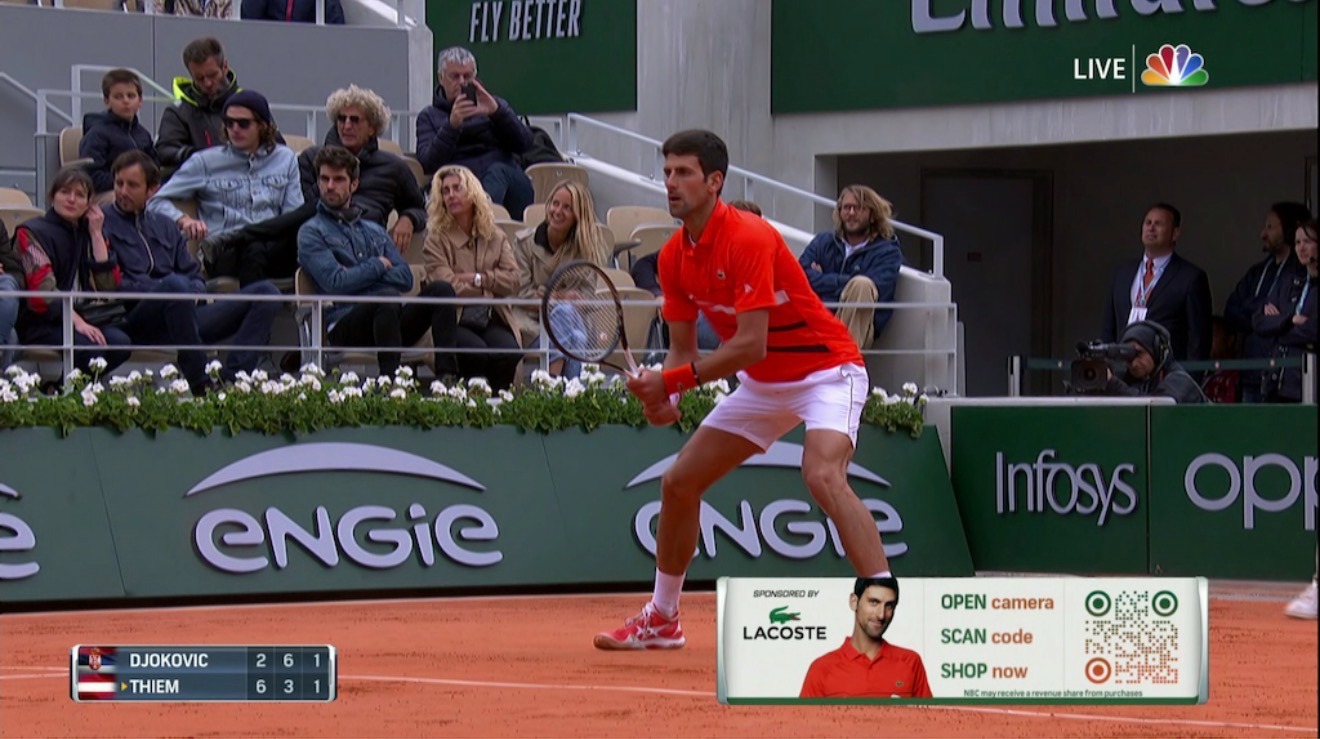
Lacoste QR Code campaign execution during the French Open final is a great example. QR Codes appeared on screen, allowing viewers to instantly shop for the outfits worn by Novak Djokovic. The campaign drove a 30% higher conversion rate than standard e-commerce benchmarks. The moment created desire, and the QR Code removed friction.
For CPG brands, the packaging itself is the acquisition moment.
Consider a skincare brand selling a new SPF formula through a major retail chain. A shopper picks it up, reads the back panel, and hits the usual question: is this right for my skin type? A QR Code on the pack takes them to a 60-second skin-type quiz and a short ingredient explainer, without having to download apps or a registration gate.
The scan answers the question that was blocking the purchase. The product goes in the basket. That's the packaging QR Code doing what the shelf never could: converting hesitation into confidence at the exact moment it matters.
2. Education and engagement (Activation)
Once someone has bought the product, the next question is simple: will they actually use the product enough to come back?
This stage is about deepening the relationship, not rushing another sale. The brands that skip this step pay for it later at the reorder stage, when customers haven’t built enough habit or attachment to come back on their own.
What to deliver:
- Tips and how-tos
- Recipes or advanced use cases
- User stories and social proof
- Brand narratives that build emotional connection beyond the product
- Sustainability credentials and sourcing transparency
Where to place:
- Packaging QR Code for ongoing reference, the same code from acquisition should deepen in value for repeat scanners
- Follow-up email QR Code (Week 1–4 after purchase)
The content should extend the value of the product. Show people how to get more out of what they already bought. Where appropriate, offer an optional opt-in for continued value such as weekly tips, SMS reminders, or insider updates. Make the value exchange explicit: you give something useful, they give you a contact. Don’t gate the initial content; earn the relationship first.
The goal is to increase usage frequency and build affinity that extends beyond the product’s basic functional benefits.
Measure: Return scan rate (did they come back?), content depth, and time between first and second interaction. A shorter gap signals growing engagement, while a longer gap is an early warning sign worth acting on.
Pampers demonstrates what sustained post-purchase engagement looks like.
Every pack of Pampers diapers and wipes carries a QR Code. Parents scan it through the Pampers Club app to earn points redeemable for coupons and discounts. So, other than reward redemption, it also makes every new pack a reason to re-engage with the brand. The scan isn't a one-time event tied to a campaign. It's built into the product itself, meaning engagement compounds naturally with repeat purchase behavior. The code turns a consumable into a relationship.

3. Refill and replenishment (Retention)
This is where a customer either becomes predictable revenue or disappears.
If your product is consumable, timing matters. The best moment to win the second purchase is when they’re about to run out.
What to deliver:
- Reorder reminders triggered by consumption cycle, not campaign calendar
- Auto-replenish or subscription enrollment, single-tap setup, no account creation friction
- Usage monitoring prompts, timed to depletion, not campaign dates
Where to place:
- Packaging or insert QR Code linking to subscription setup, positioned where the customer sees it as the product runs low
- Email or SMS QR Code triggered by purchase date, routes to a pre-filled reorder page for that exact SKU, not a homepage
The experience should feel personal and timely. If someone bought it 30 days ago, acknowledge it. If they purchased a specific SKU, link them directly back to that exact product. Remove as many steps as possible between scan and checkout. Friction is the enemy of the second purchase. The more decisions you ask someone to make, the more likely they are to delay, and delay almost always means you lose the customer.
The goal is to convert one-time buyers into recurring revenue. Show up at the right moment and make reordering effortless.
Measure: Repeat purchase rate, days between purchases, and subscription conversion rate. If the gap between purchases is shortening, your timing strategy is working. If it's stable or widening, the experience needs to be optimized.
4. Upsell and cross-sell (Expansion)
Once consumers trust your product, the relationship has enough equity to expand. Expansion is about increasing revenue per customer without increasing acquisition cost. This is where LTV starts to compound.
What to deliver:
- Complementary product recommendations rooted in what they already bought, not generic bestsellers
- Premium tier comparisons that show a clear, tangible upgrade benefit
- Bundle offers curated around the customer's existing product
Where to place:
- Packaging insert QR Code, inside the product at the moment of highest brand affinity
- Post-purchase email QR Code, sent after the customer has had time to form a view on the first product
- Triggered SMS QR Code, after a second purchase, when receptivity to expansion is higher
The experience must reflect what they have already bought. If someone purchased a base product, show them the upgrade. If they bought one SKU, suggest a complementary one. Keep it specific. “You bought X, here’s Y” works because it removes guesswork.
The goal is to increase basket size and product breadth. Move customers from single-product buyers to multi-product users. That’s how average order value grows, and brand dependency deepens.
Measure: Average order value from QR Code traffic, SKU penetration (how many products each customer owns), and premium tier adoption. Expansion is working when customers widen their relationship with the brand. This means they are not just repeating the same purchase, but moving up the value ladder.
Here’s how that plays out in practice: Imagine a coffee brand that includes a QR Code inside its packaging linking to a brewing guide. Toward the end of the guide, customers see a recommendation for a premium roast or a bundle that includes a grinder. The suggestion is tied to what they already use, so the scan doesn’t feel like an ad. It reads as a next step.
5. Loyalty (Advocacy)
At some point, repeat purchase alone isn’t enough to scale. Your growth efficiency changes fundamentally when satisfied customers start bringing others with them, because that's acquisition without acquisition cost.
What to deliver:
- Loyalty program enrollment, frictionless, one scan to value
- Referral incentives, tied to a reward the customer already cares about
- VIP experiences, genuinely scarce, not relabeled standard access
- Early access to products or drops that are actually limited
- Exclusive content relevant to their product use, not brand content in disguise
Where to place:
- Packaging QR Code linking to loyalty signup on the product itself, not the outer box
- Email or SMS QR Code for referral sharing, triggered by a satisfaction signal, not a generic flow
- Loyalty portal QR Code for exclusive or VIP content, inside the portal, not just at the entry point
The experience must go beyond discounts. Transactional loyalty is fragile (the next competitor’s coupon breaks it). Referral mechanics must be simple and mutually rewarding. If a customer shares, both sides benefit. Make the action obvious and the reward immediate.
The goal is to lock in long-term relationships and lower acquisition costs through referrals.
Track: Loyalty enrollment rate, referral rate, and, most importantly, LTV of loyalty members versus non-members. That gap is the real number. It tells you whether your advocacy layer is compounding revenue or just adding program overhead.
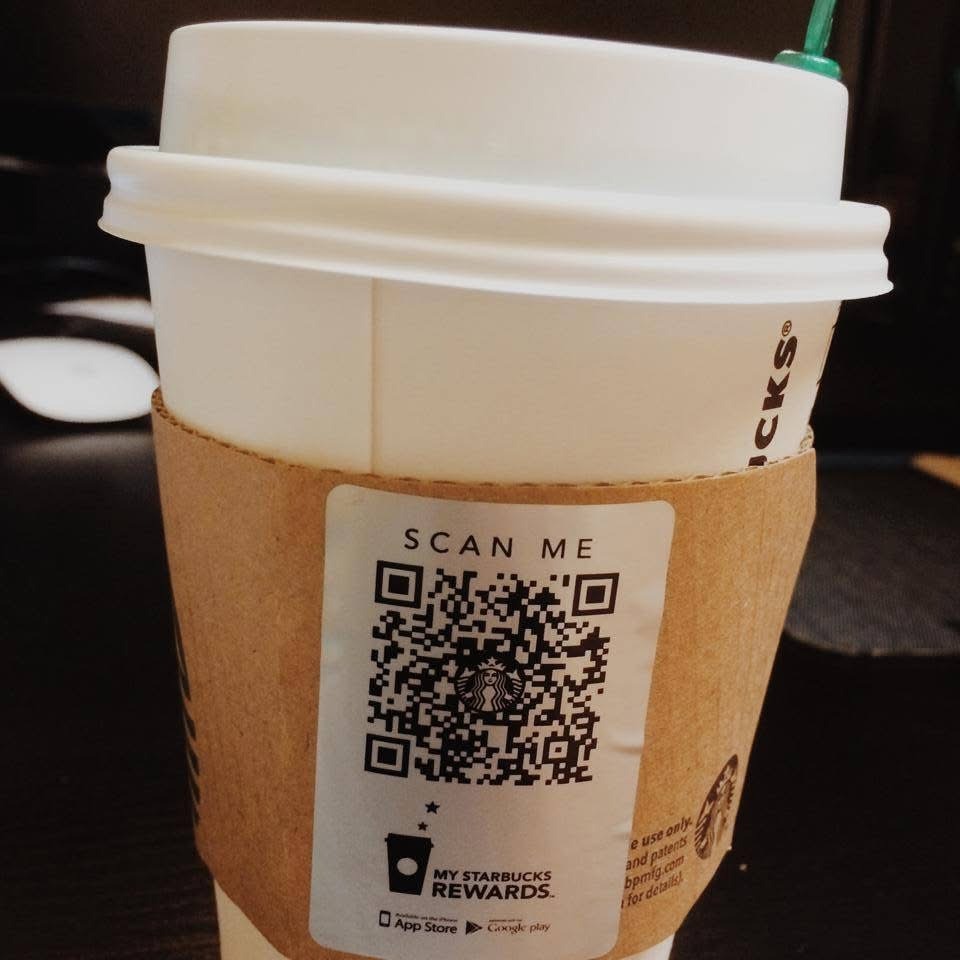
A brand that does this well is Starbucks. The Starbucks Rewards program uses QR Codes directly in its app for payment and points accumulation. Every scan reinforces the habit. Customers earn stars, unlock tiers, and receive personalized offers. Loyalty members now drive close to 57–59% of Starbucks’ U.S. revenue, and active membership has grown to roughly 35 million.
Each stage above delivers value on its own. What connects them, and what turns a series of touchpoints into a compounding system, is smart routing.
Common mistakes that limit LTV-focused QR Code strategies
Knowing the stages isn’t enough. The real risk lies in how QR Code experiences are implemented. These common mistakes quietly disrupt progression and prevent LTV from compounding.
Treating every scan the same
When your QR Codes lead to a generic page regardless of who scans them, you erase the context that enables personalization. A first-time scanner is curious and cautious. A repeat buyer is looking for efficiency. A loyal customer wants to feel recognized. Serving all three the same page signals to the customers that you don’t know them, which erodes trust. Static routing limits progression.
How to fix it: Use dynamic QR Codes with smart routing rules so the experience adapts based on scan history, purchase behavior, and timing. The same physical code can deliver three completely different experiences depending on who's scanning.
Measuring scans, not sales
Scan counts are a vanity metric. High traffic to a QR Code landing page indicates the code worked physically, meaning someone pointed their camera at it. It tells you nothing about whether the experience drove a purchase, reorder, or subscription. Celebrating scan spikes while ignoring downstream conversion is how QR Code programs get defunded: the data looks active, but the business outcomes aren’t there.
How to fix it: Tie QR Code performance to revenue metrics such as conversion rate, repeat purchase rate, and average order value. If your reporting dashboard doesn’t connect scan behavior to purchase behavior, rebuild it. Optimize for outcomes, not activity.
No retention strategy
Many QR Code campaigns are designed as single events: launch, scan, done. There’s no second-touch mapped, reorder path built in, or loyalty invite triggered by behavior. The first scan becomes the last interaction, not because the customer lost interest, but because the brand gave them no reason to continue. Every scan without a defined next step is a missed compounding opportunity.
How to fix it: Before launching any QR Code experience, ask: what happens after this scan? Then ask again: what happens after that? Map the next two to three steps before the code goes live.
Broken experiences
A QR Code experience that fails damages the customer's trust in the brand.
According to a consumer survey part of the State of QR Codes 2026, 36% of consumers report issues with codes that don't scan properly, 29% have encountered expired or dead links, and 27% have experienced slow-loading or broken pages.

For a retention-focused brand, these numbers matter. They don’t just lose a scan with a broken experience at the refill or upsell stage. Now, they’ve lost a purchase that should have been nearly automatic.
How to fix it: Test every QR Code journey across devices, environments, and edge cases before launch. Audit live codes regularly for dead links. Keep pages fast, mobile-first, and tightly aligned with what the code promised. One broken experience can interrupt months of relationship-building.
From scans to revenue
Nearly 60% of consumers plan to use more QR Codes in the next year. Your response must not be to just add more codes. More of them without a strategy just means more one-scan traps. Your opportunity lies in designing QR Codes for progression.
QR Codes have shifted from campaign tactics to long-term revenue infrastructure. That shift demands a different way of measuring success: not scans, but sales; not traffic but lifetime value.
Brands that get this right turn anonymous transactions into known customer relationships, single purchases into recurring revenue, and users into brand advocates. Brands that don’t will keep paying to reacquire the same customers again and again.
More QR Codes won’t fix your growth problem. Better progression will. Learn how to make product packaging work beyond the first purchase and build lasting customer value.