



.png)

How QR Codes Reduce Chaos at Busy Tourism Spots
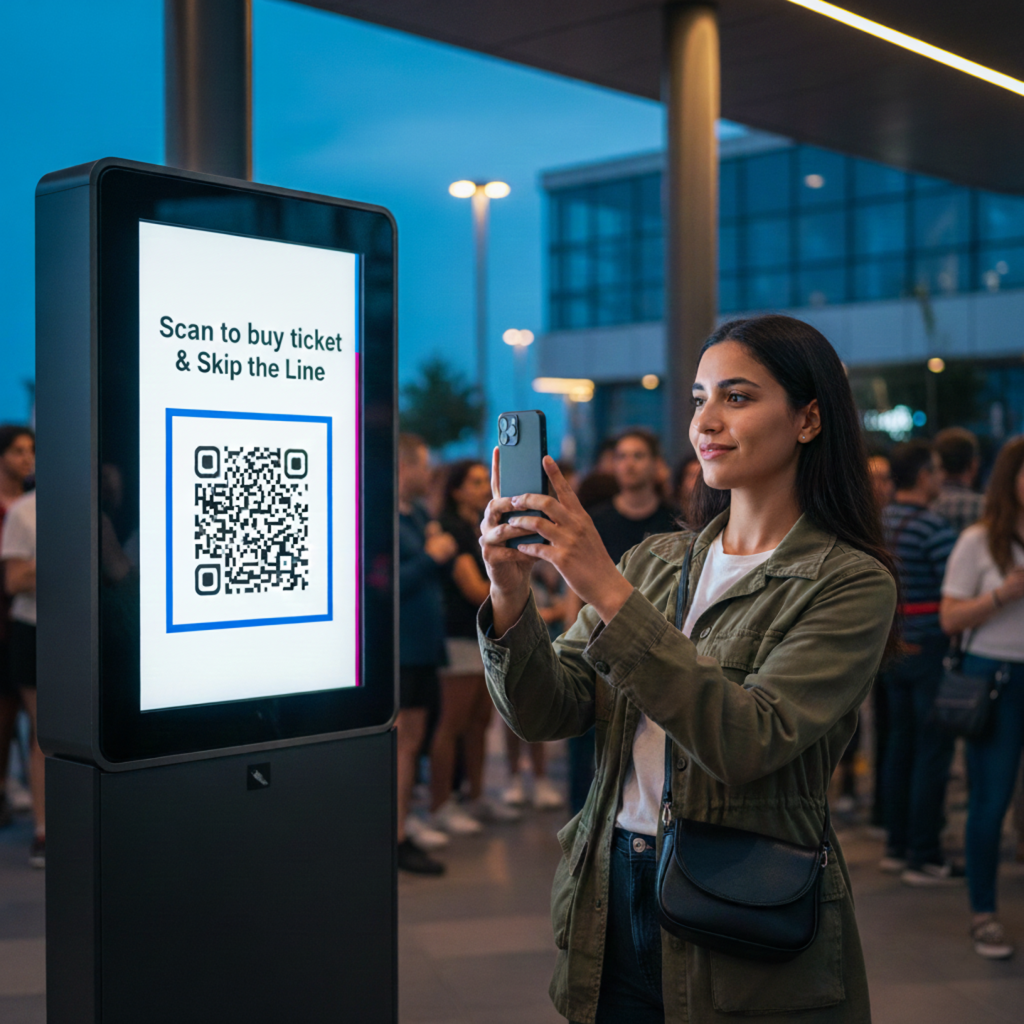

A weekend surge at a popular tourist spot often reflects familiar pressure points. Visitors arrive in groups, move toward the entry point, pause to ask where the queue begins, and look for the ticket counter. Staff try to answer repeated questions while guiding people forward. Within a short time, the area becomes congested.
These scenes are playing out with increasing frequency as tourism rebounds globally. In fact, international tourism was up 5% in the first half of 2025. With this growth bringing large crowds to popular destinations, it creates more situations where visitors require quick and clear guidance in unfamiliar environments.
When these information gaps appear at the same time and place, they turn into bottlenecks rather than isolated questions. QR Codes help reduce some of this pressure by giving visitors a faster way to find essential information on their own.
Why staffing alone cannot absorb peak visitor demand
Many destinations try to manage busy periods by adding more staff, but crowds often grow faster and more unpredictably than teams can keep up with. Such short, intense surges expose the team's limits.
- Seasonal spikes stretch fixed teams: Visitor numbers rise sharply on weekends, holidays, and event days. Staffing levels, on average, remain steady, so teams are handling more requests within a shorter timeframe.
- Hiring cycles rarely match peak periods: Seasonal recruitment and training take time. Support is often needed before new staff are ready, which makes it difficult to scale teams exactly when needed.
- Demand varies from day to day: Some weekends bring heavy crowds while others remain lighter. This variability makes it hard to predict when additional staff will be required and when they will be underutilized.
- Visitor needs have become more diverse: Guests arrive with different languages, mobility needs, and levels of familiarity with the location. Staff spend time repeating the same information across groups, which slows movement around key entry points.
- Moments of peak demand create immediate bottlenecks: Questions about queues, routes, timing, safety, and ticketing appear at the same time. Even experienced teams find it difficult to manage these overlapping requests during short, high-intensity periods.
- The long-term labor outlook adds further pressure: The WTTC’s Future of the Travel and Tourism Workforce Report projects a shortfall of 43.1 million workers by 2035, with labor supply expected to fall 16% below demand. Destinations that already struggle during surges will find it harder to rely solely on staffing increases over time.
Information becomes the pressure point when crowds grow faster than staff can support. This is where operators start looking for digital solutions, like mobile apps and QR Codes, that help visitors answer routine questions and perform routine tasks without increasing headcount.
Why QR Codes are more effective than apps during peak footfall
Destinations are already investing in tools that help manage visitor movement, with the crowd management market for tourism valued at $2.1 billion in 2024 and projected to reach $6.9 billion by 2033. As destinations evaluate digital options, many consider mobile apps as a way to handle visitor flow and information needs. The problem here is that apps introduce friction at moments when visitors need answers quickly.
A family approaching a busy entry gate, for instance, is usually focused on finding the correct line, understanding timings, or checking what to do next. Downloading and setting up an app becomes an extra step during a moment when attention is already limited.
The following comparison shows why QR Codes tend to fit these moments more naturally.
QR Codes reduce the number of steps between a visitor’s question and their next action, which makes them more reliable during crowded periods when time and attention are limited.
When destinations understand why QR Codes fit peak footfall better than apps, the next step becomes applying them to the touchpoints that are the most congested.
How QR Codes help destinations manage high-traffic moments
Visitor needs often peak when people pause to understand their next step, such as deciding which queue to join, whether a ticket is required, or which route leads to the next attraction. These pauses shape how crowds move, where queues form, and how quickly congestion builds.
Surveys show that more than 61% of U.S. travelers already use their smartphones to book or manage parts of their trip while on the move, which creates a natural opportunity for QR Code-powered moments at key decision points.
Insights from Uniqode’s Travel QR Code Placement Report point to recurring pressure points across airports, hotels, attractions, parks, waterfronts, and cultural sites, particularly around entry access, queue movement, navigation choices, and safety communication. QR Codes help during these high-demand moments by making essential information available instantly.
1. Crowd flow and queue navigation
Queues form quickly when visitors are unsure about wait times, route options, or how long they will need to stay in line. Small gaps in information slow movement, and people may cluster near entry points while they decide what to do next.
QR Codes can share wait times, alternate paths, and timing guidance that helps visitors decide how to move through the space. These cues reduce hesitation near bottlenecks and spread groups more evenly across available areas.
For example, Universal Orlando Resort places QR Codes on signage throughout the park to let visitors join virtual queues for high-demand attractions, such as Harry Potter and the Escape from Gringotts. Instead of gathering in physical lines, visitors reserve a return time and continue exploring other areas of the park until their slot opens.
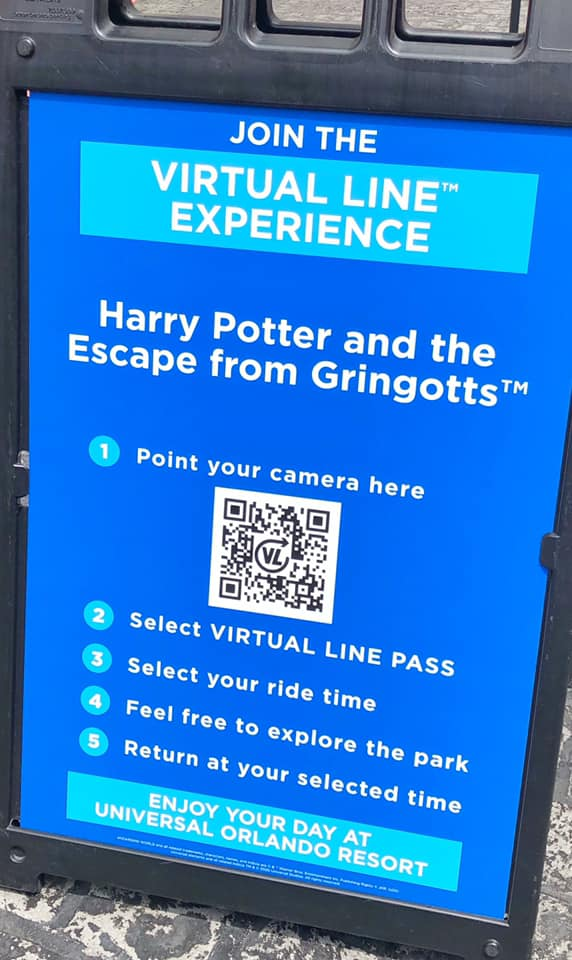
Place QR Codes at: Queue barricades, turnstiles, and other pre-entry pause points.
2. Multilingual and cultural support
Busy destinations welcome visitors with varied language needs. When groups ask for translations at the exact moment, staff often spend time repeating the same instructions, which slows movement around entrances.
QR Codes can present instructions, cultural notes, and directional guidance in multiple languages. This improves clarity for international visitors and reduces routine questions at help desks.
Rio de Janeiro embedded QR Codes directly into the city’s iconic mosaic sidewalks at major tourist locations. Scanning these codes gives visitors access to information about nearby beaches, landmarks, and historic sites in Portuguese, Spanish, and English. By placing guidance at the exact point of exploration, the city reduces reliance on staffed help desks while supporting international visitors more naturally.
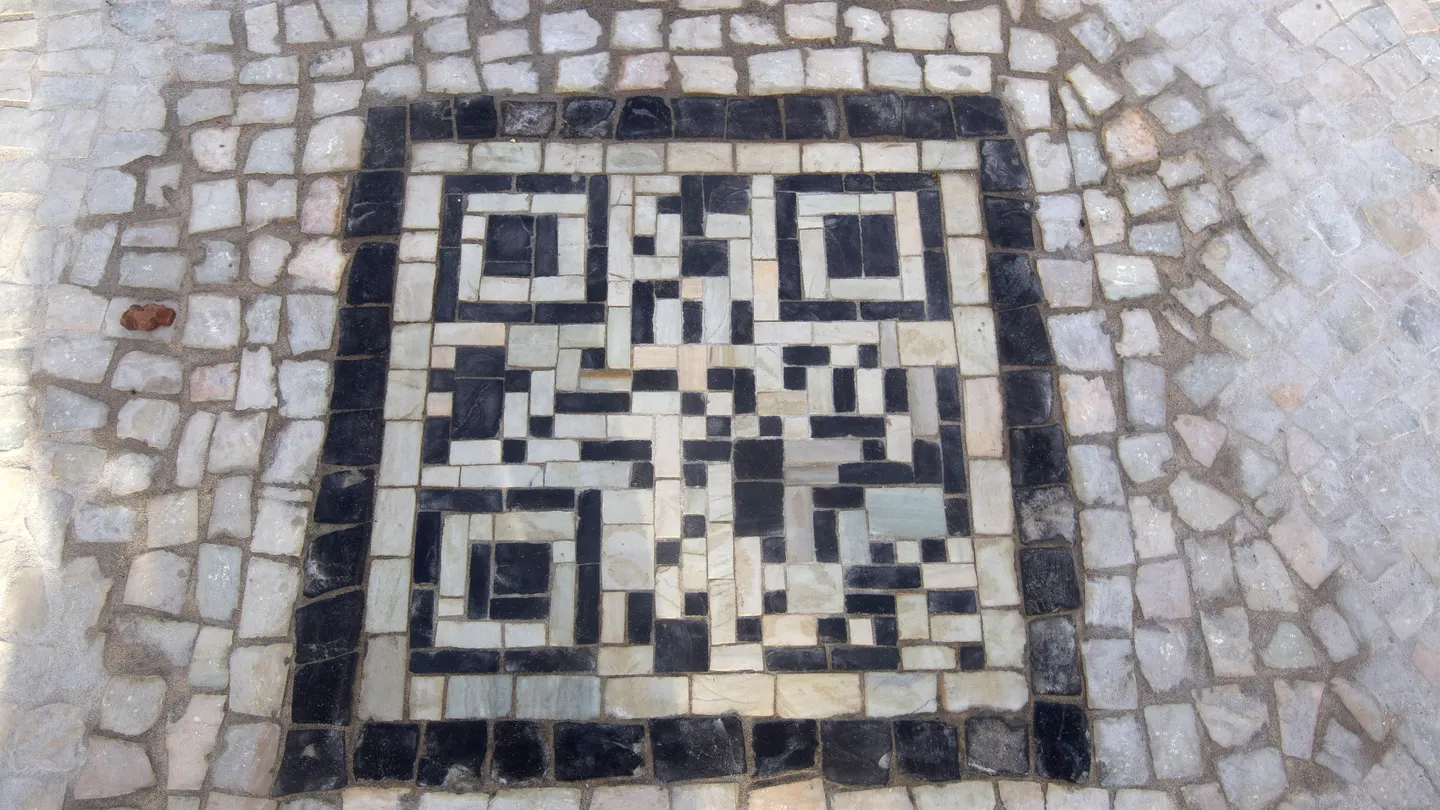
Place QR Codes at: Entry gates, welcome boards, and staffed help points.
3. Ticketing, upgrades, and access control
Ticket counters often become early congestion points. Purchases, upgrades, and availability checks take time, and even short delays affect the flow into the site.
QR Codes can guide visitors to mobile ticketing, upgrade options, and availability details. This shifts routine transactions to visitors’ devices and reduces counter pressure during peak hours.
At the Louvre Museum in Paris, visitors book timed-entry slots online and receive QR Code tickets on their phones. Even tickets issued offline have a QR Code present. These are scanned at dedicated entry lanes, allowing the museum to regulate capacity and move visitors through entrances more efficiently during peak hours.

Place QR Codes at: Self-service kiosks, near ticket counters, and entry lanes.
4. Safety, alerts, and emergency communication
Outdoor, coastal, and crowded destinations face shifting conditions. Visitors often seek reassurance when weather changes, routes close, or safety advisories are issued.
QR Codes can share timely updates, closure notices, or emergency contact details. Visitors receive accurate information without having to wait for staff, which supports quicker responses during busy periods.
At the Grand Canyon National Park, QR Codes placed at major trailheads link hikers to real-time safety information before they start the hike. A quick scan provides current weather conditions, water availability, trail closures, and safety guidance. By the use of dynamic QR Codes, park rangers can update the guidance instantly without changing physical signage.
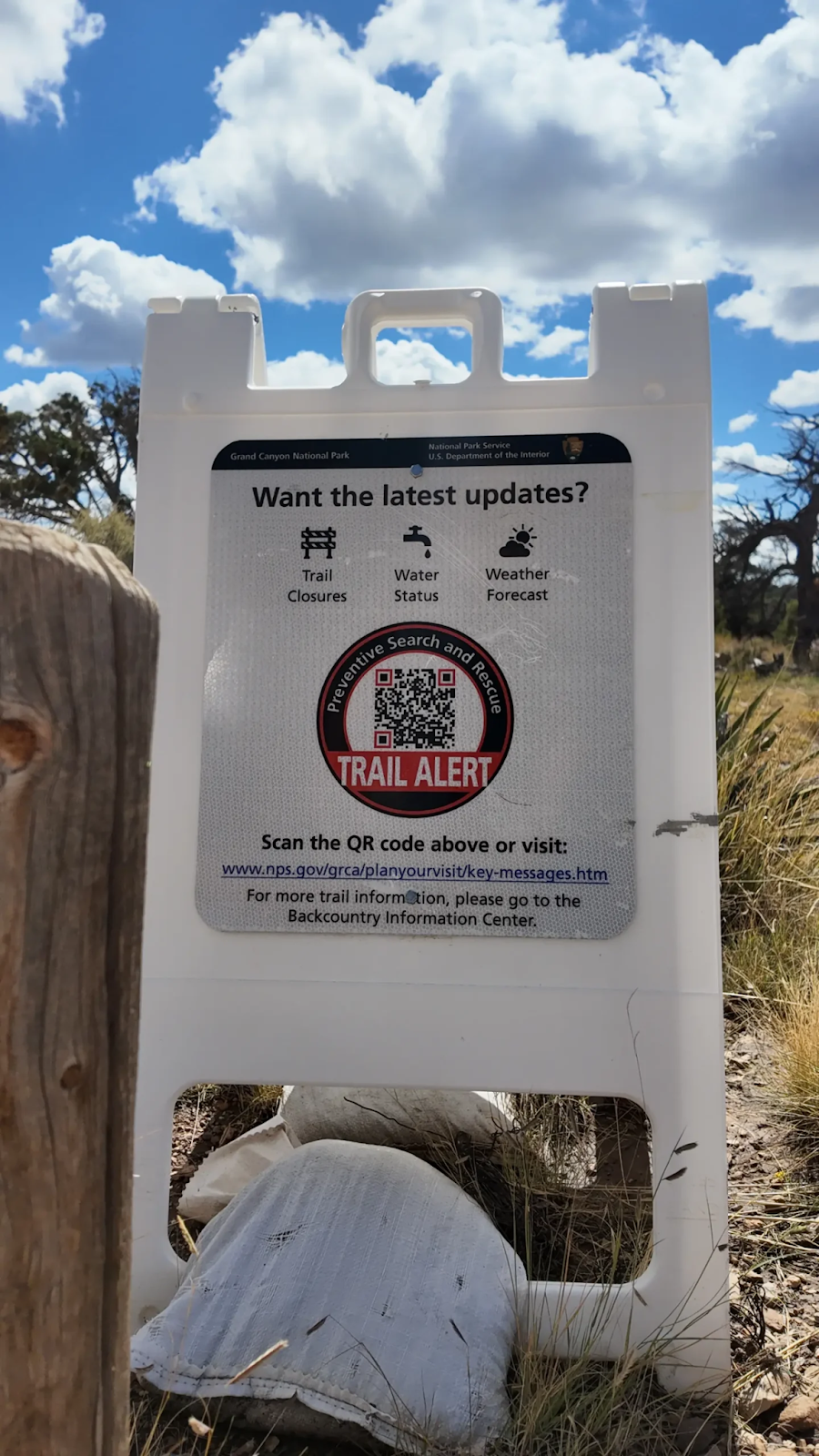
Place QR Codes at: Emergency stations, trailheads, beachfront access points, and main walkways.
5. Accessibility and inclusive navigation
Visitors with different mobility or sensory needs often require specific routes or detailed instructions. When these questions surface in busy zones, staff must pause to offer individualized guidance.
QR Codes can present step-free routes, audio guides, and assistive details that visitors can review at their own pace. This supports independent navigation and reduces dependencies during peak moments.
At the Austrian Parliament, accessibility has been built directly into the visitor experience through tactile QR Codes placed beside key points of interest. These embossed QR Codes can be located by touch and, when scanned, provide audio descriptions and navigation guidance compatible with screen readers.
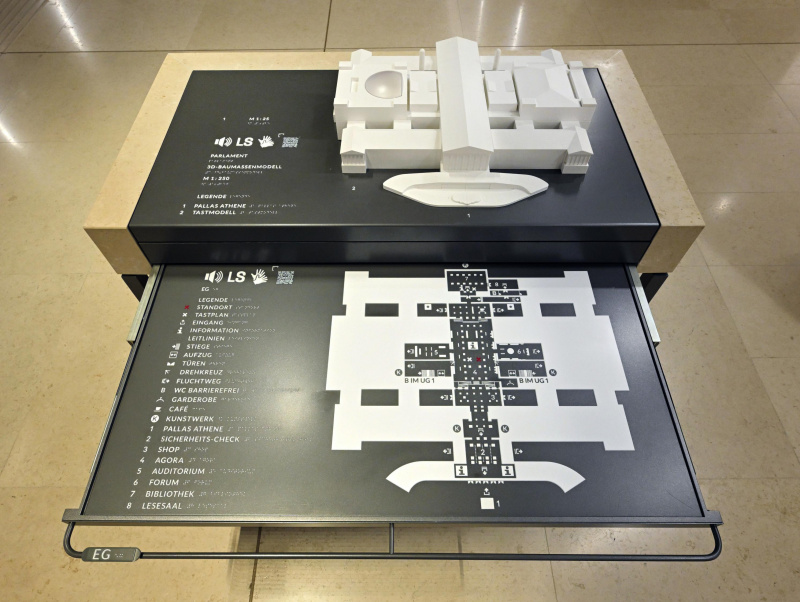
Place QR Codes at: Facility maps, trail entrances, elevators, and points where paths diverge.
A flexible physical-to-digital layer for busy destinations
As global travel demand continues to rise, destinations are preparing for higher and more frequent surges in visitor movement. Industry outlooks suggest travel demand may expand by $2.8 trillion between 2023 and 2028, increasing the need for systems that can adapt quickly without adding operational strain.
QR Codes offer a practical way to build this flexibility by making information easy to update and easy to reach during busy periods. Destinations that introduce this physical-to-digital (phygital) layer will be better positioned to manage surges with steadier operations and a more consistent visitor experience.
For a detailed view of where QR Codes can close the most common information gaps across the visitor journey, take a look at the Uniqode Travel QR Code Placement report.